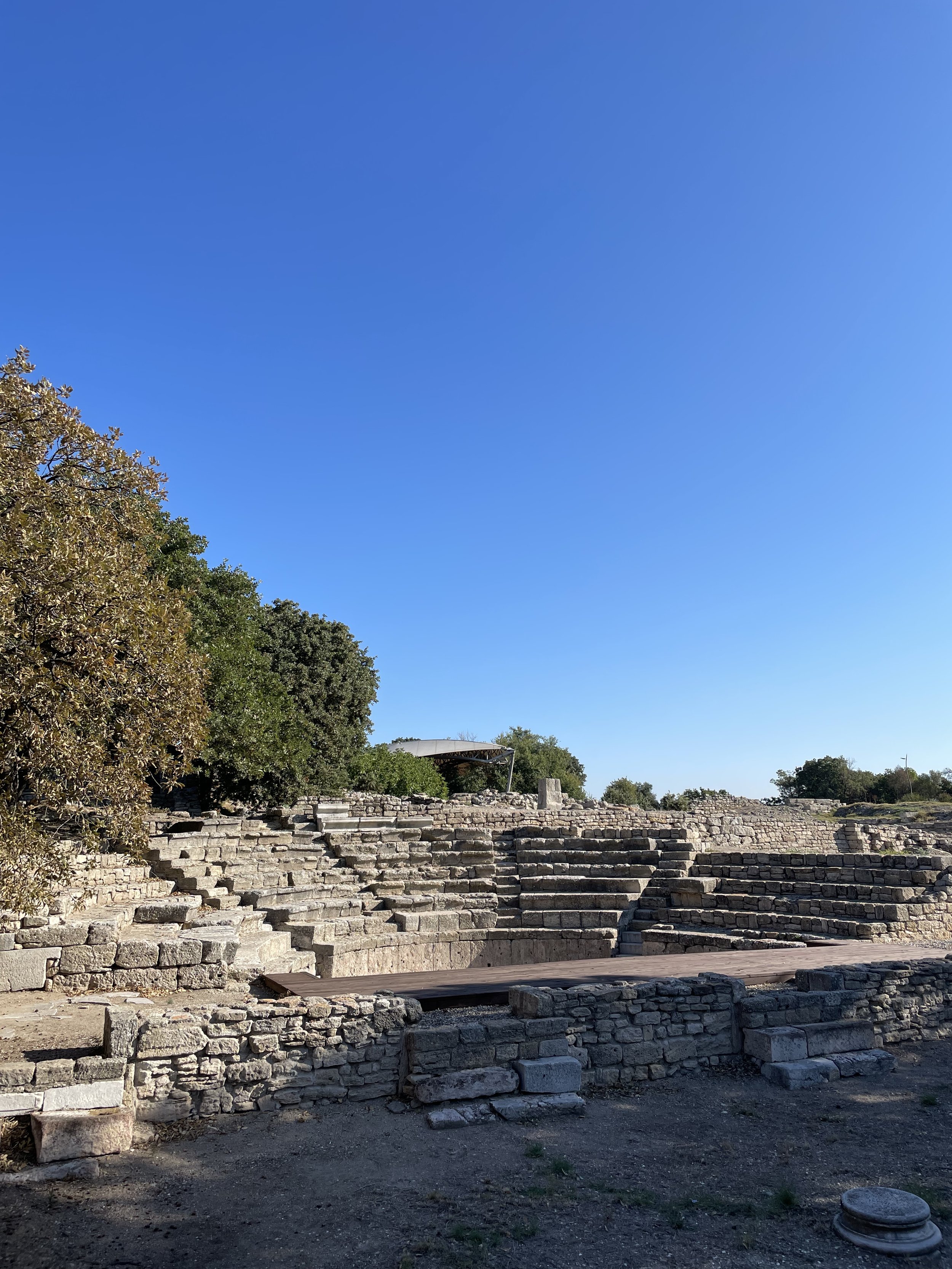
Troy: Where Myth Becomes Reality
Standing at Troy shook me. This isn’t just Greek mythology. It’s real, ancient, and tangible. Here, gods, heroes, and epic wars truly unfolded. That moment when the myth you grew up with roots itself in earth and stone is unforgettable.
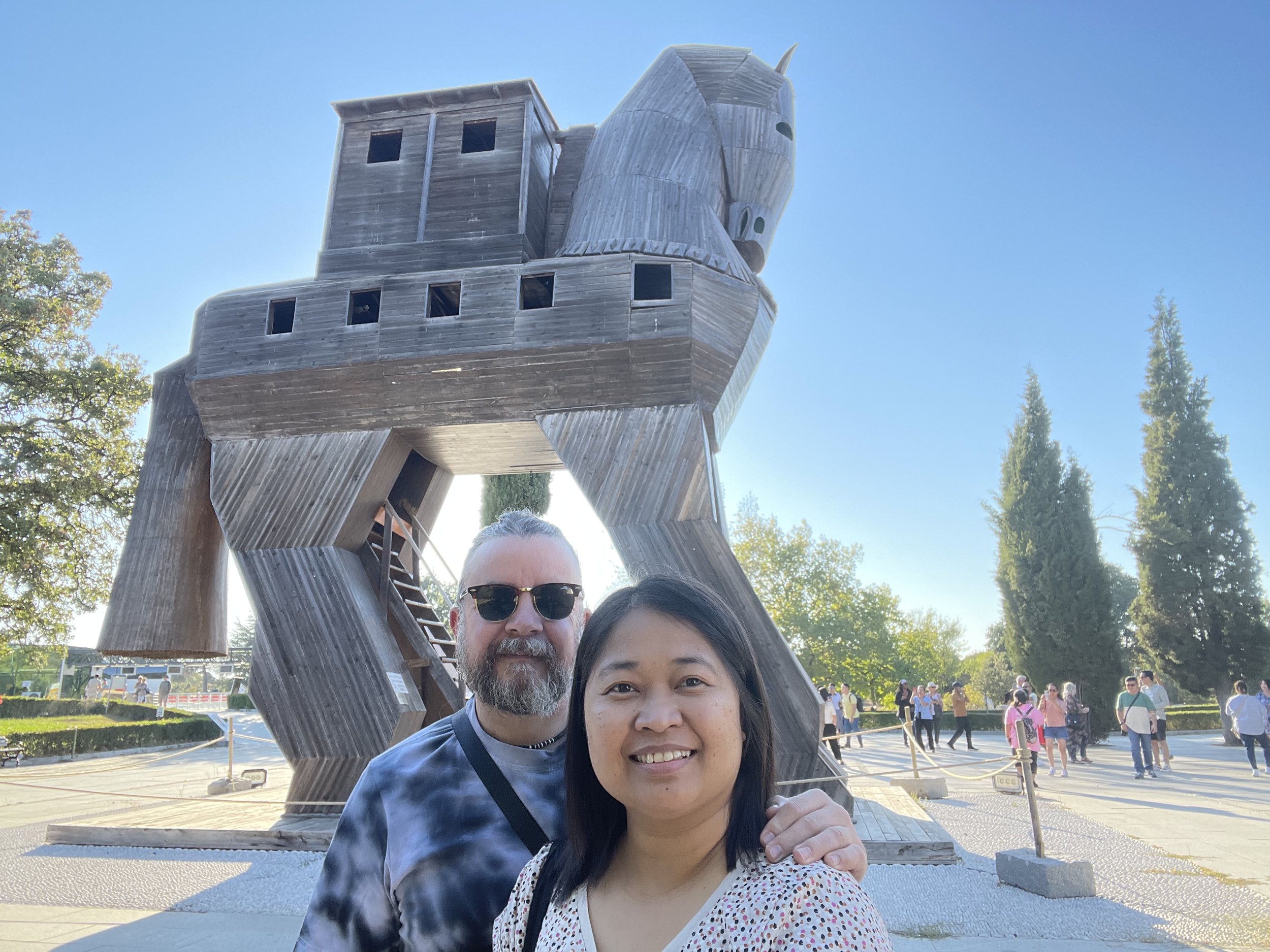
We started at the giant wooden horse, a perfect icebreaker. Everyone snapped selfies, laughing. Cheesy, yes, but fun, and a lighthearted way to begin before diving into serious history.
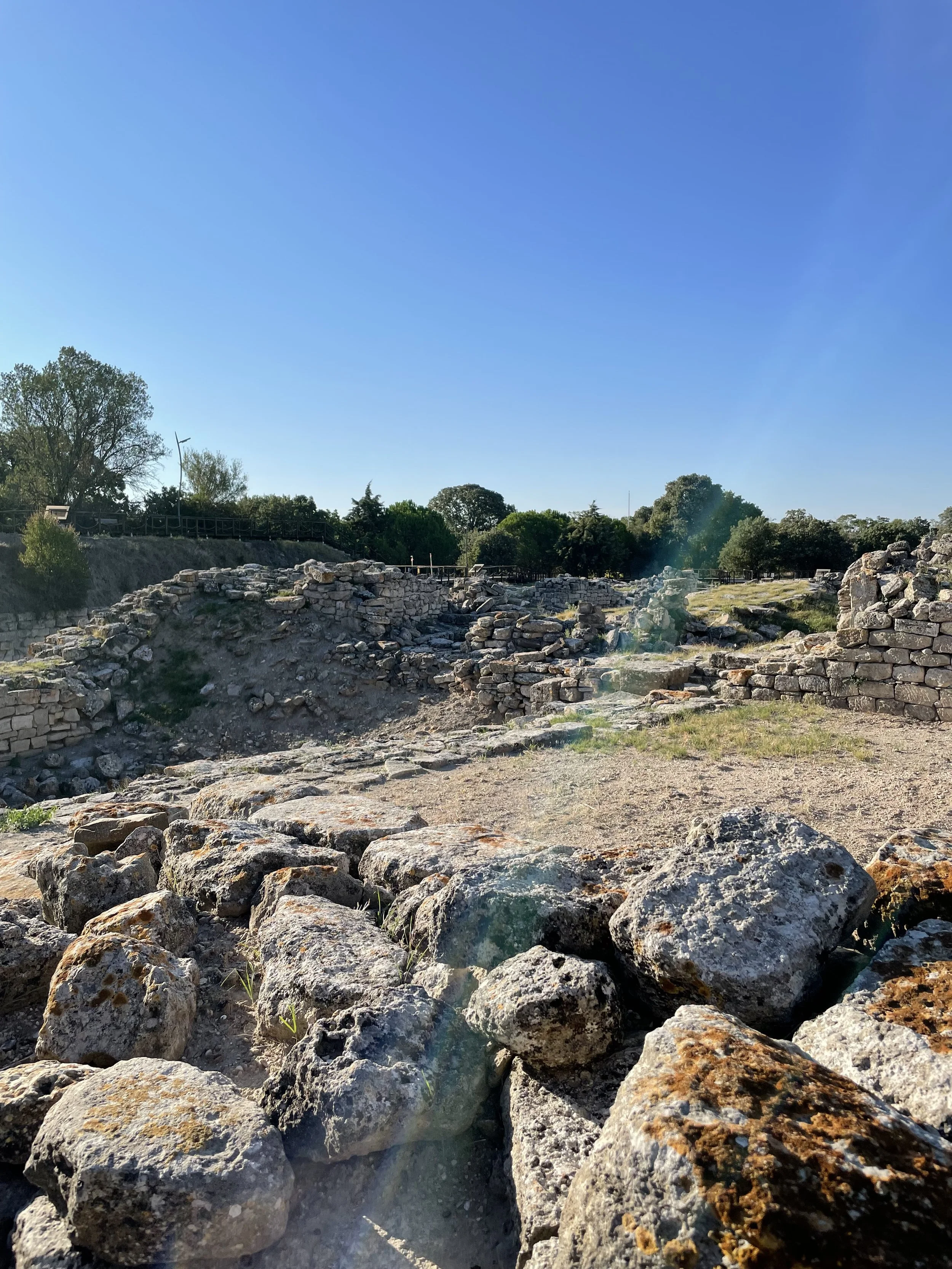
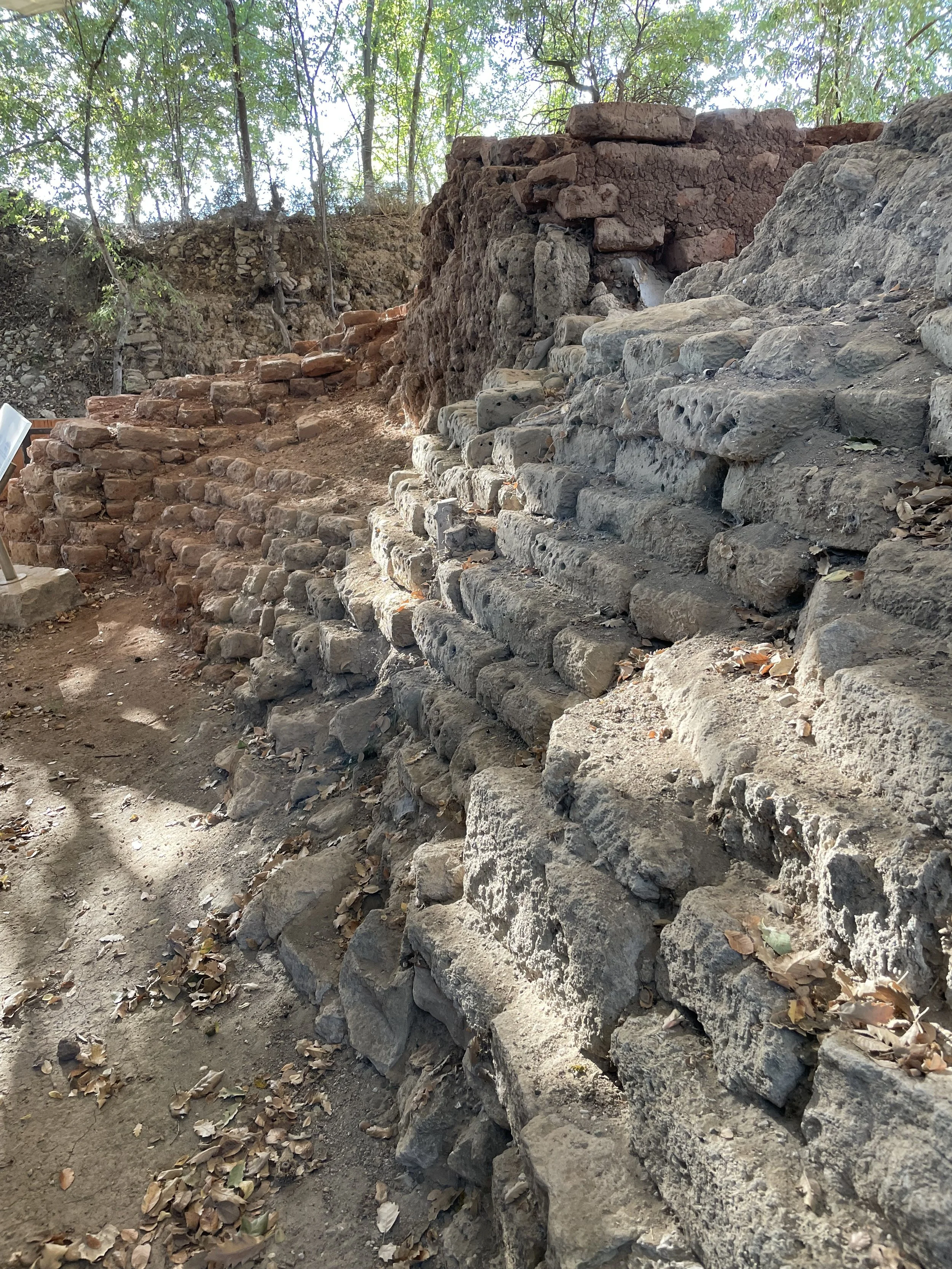
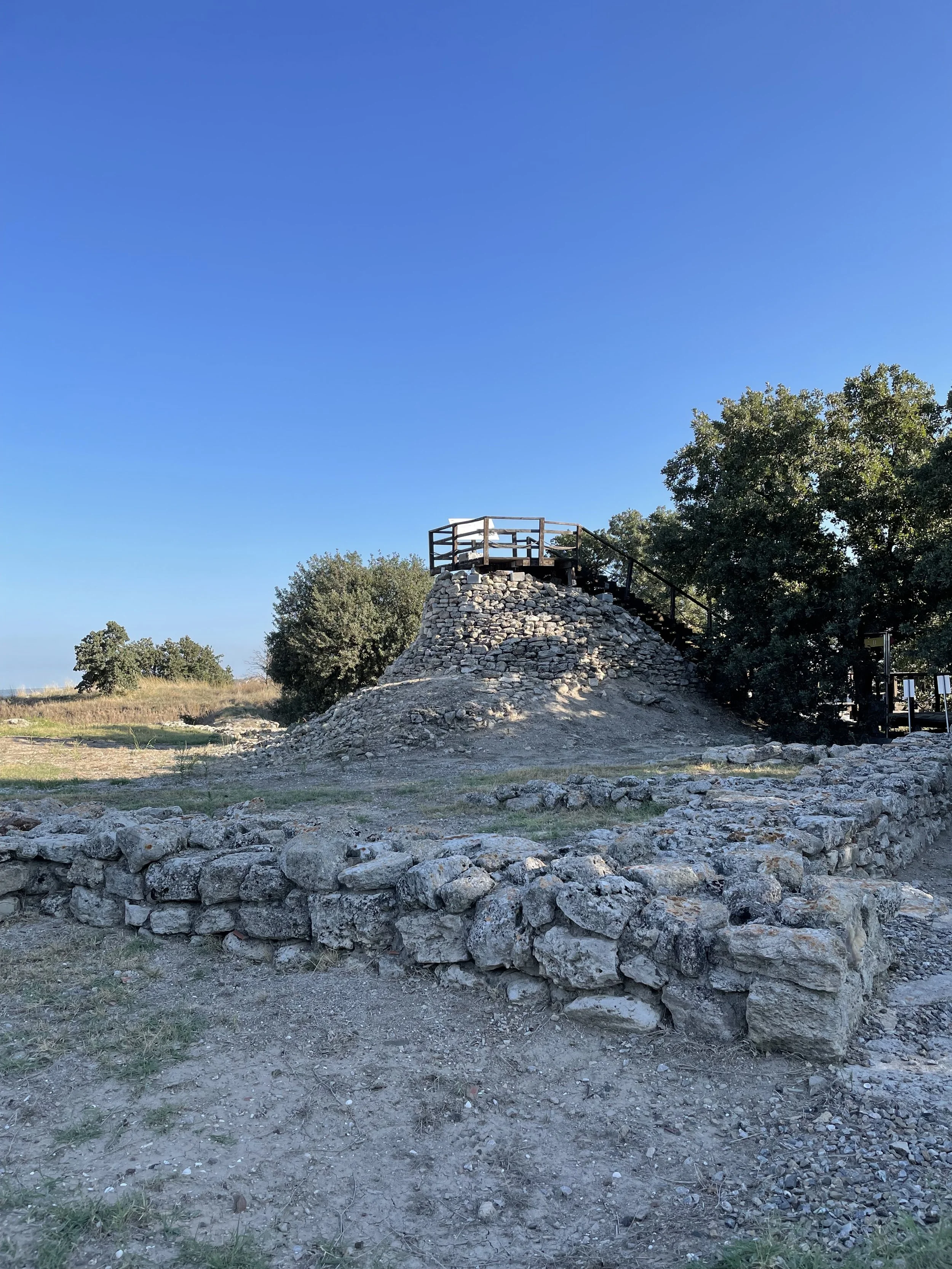
Beyond the horse, the real adventure begins. The archaeological site is a maze of history, with nine layers of ancient cities stacked over nearly 4,000 years, from the Bronze Age (around 3000 BC) to the Roman era. Each layer, Troy I to Troy IX, tells a story of human presence and rebuilding.
The legendary Trojan War, dated to the 12th or 13th century BC, likely sprang from a real city destroyed by fire. One of these layers might be Homer’s historical basis. The massive stone walls reveal advanced engineering, designed to defend this vital city.
Troy’s location was no accident. It controlled the narrow Dardanelles strait, the key maritime route linking the Aegean to the Black Sea. This made it a strategic hub for trade and military power for centuries.
Open trenches reveal ongoing excavation. Troy’s story still unfolds today. Heinrich Schliemann’s “Priam’s Treasure” stirred excitement and controversy, blurring myth and archaeology.
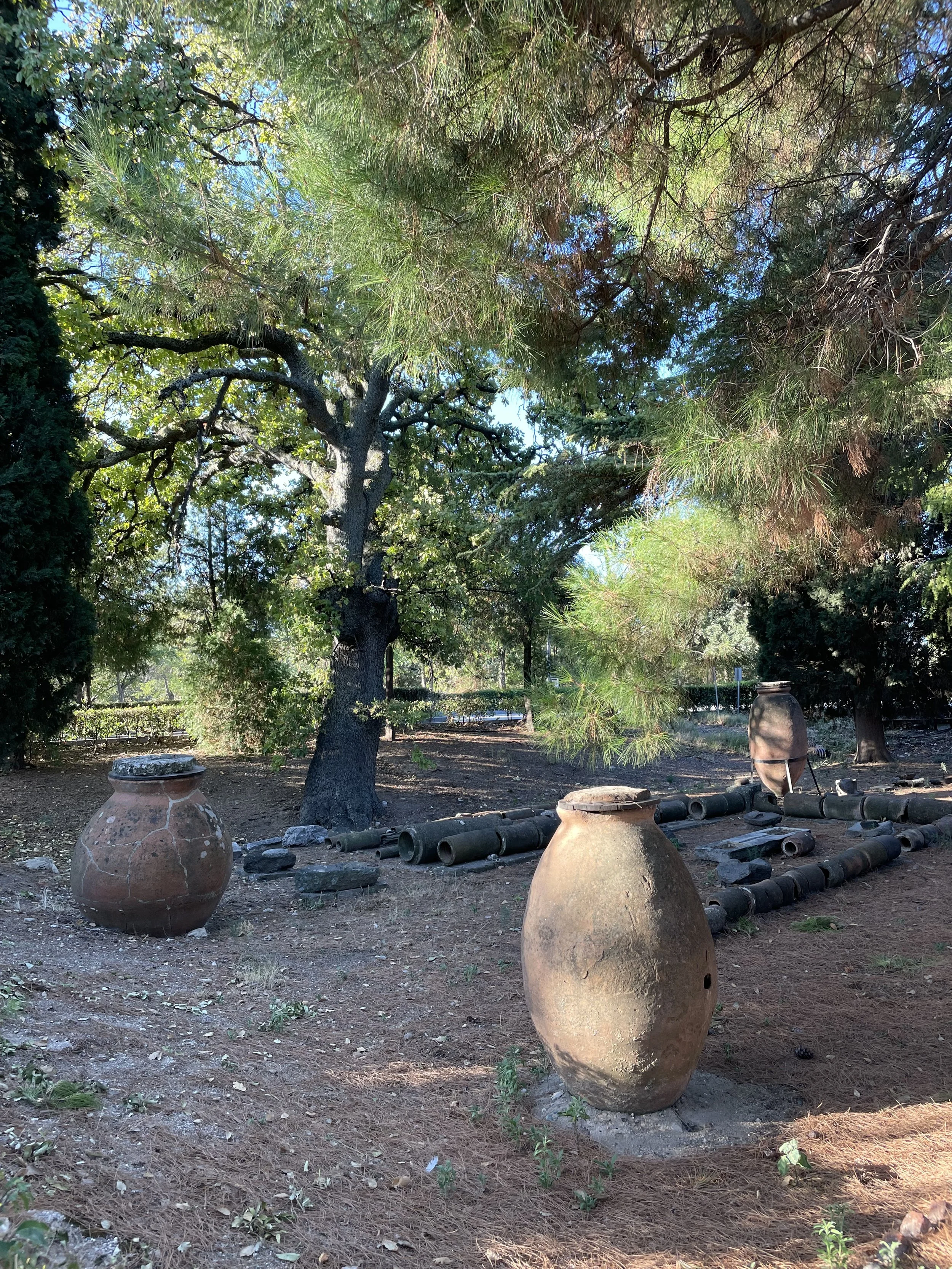
Nearby, the Troy Museum brings these myths to life. Pottery, tools, and artefacts add colour and context to the stones. The site overlooks rolling hills and the Dardanelles, revealing why this spot became a stage for epic tales.
Timing matters. Arrive early to beat heat and crowds. The ground is uneven and dusty, so wear sturdy shoes. Bring water, sunscreen, and a hat, the Turkish sun is relentless.
The layers can overwhelm without a guide. A local tour or audio guide turns stones into stories. Getting there is easy, 30 kilometres from Çanakkale, with buses and plenty of tours from cruise ports.
Tickets are bought on-site and affordable. Plan two to three hours for the site and museum to absorb it all.
Visiting Troy is stepping into a living story. It’s not just ruins, it’s where myth and history collide beneath your feet. Respect grows for the people who lived, fought, and built here. Walking ancient walls, imagining epic tales, shows how powerful stories shape our past and linger today.
Surrounded by centuries of history and myth, it’s hard not to wonder, was Helen of Troy real, or a symbol of a story outliving time? For a visit that humbles and inspires, Troy delivers every time.