
Rozafa Fortress, the Hill of Three Rivers
Our minibus parked at the foot of the hill, and the driver pointed up. The fortress sat high above, its stone walls bright against the sky. We started the climb under the full heat of June. The path wound up in rough cobbles, and every turn gave a wider view of the valley. By the time we reached the gate, the sun was burning through our shoulders.
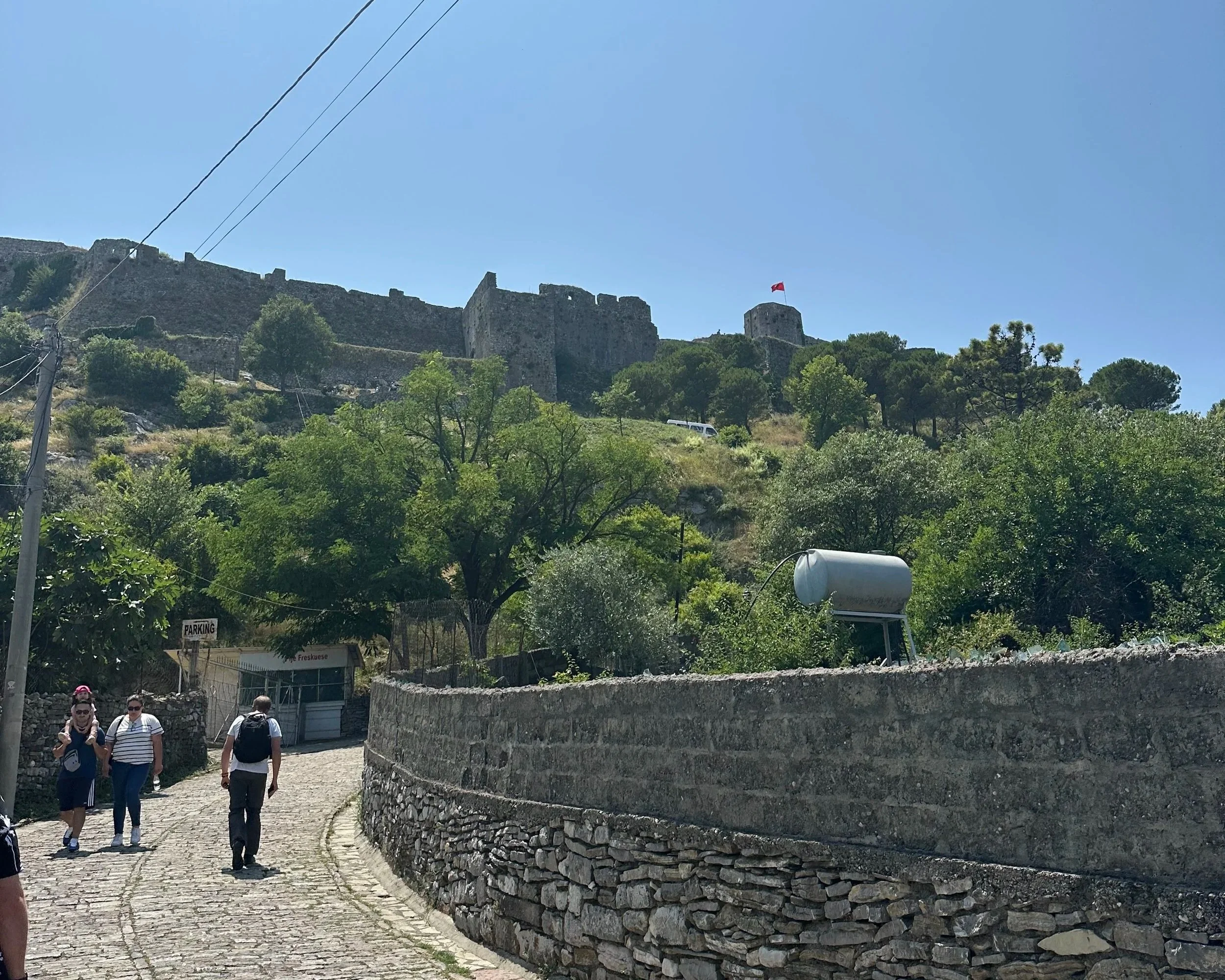
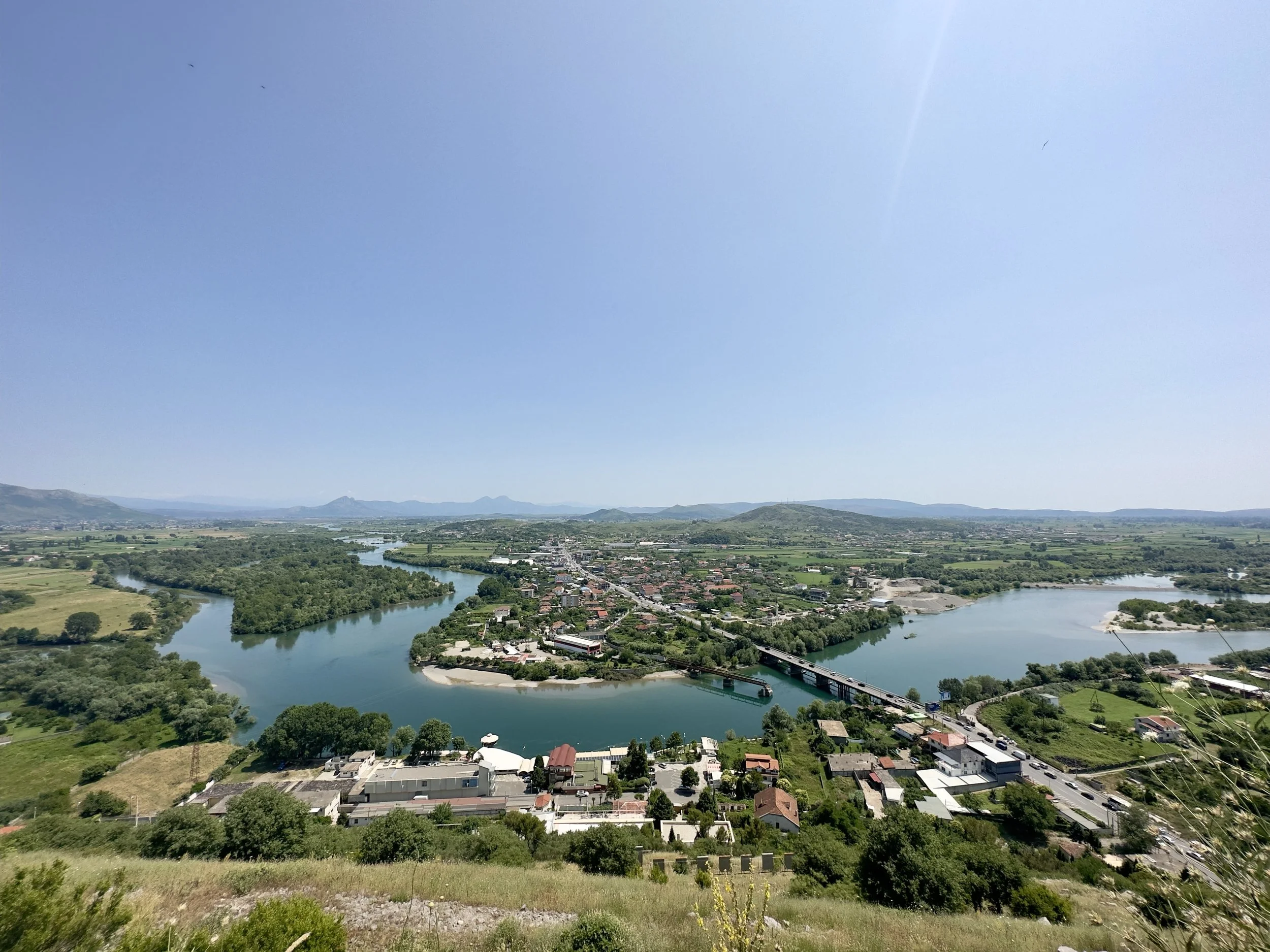
Rozafa has stood here for more than two thousand years. It began as an Illyrian stronghold guarding the meeting point of three rivers: the Buna, the Drin, and the Kir. The Romans later expanded it. The Byzantines rebuilt it. The Venetians and Ottomans each added their own layers. Every stone holds a trace of someone who once ruled from this hill.
Inside, Rozafa felt both grand and forgotten. Grass pushed through the old paths, and chunks of wall stood open to the wind. Our guide spoke about battles and empires, about a woman named Rozafa who was walled in alive so the fortress would stand. I heard parts of it while trying to find shade between stops. The air shimmered, and the stones felt hot enough to burn.
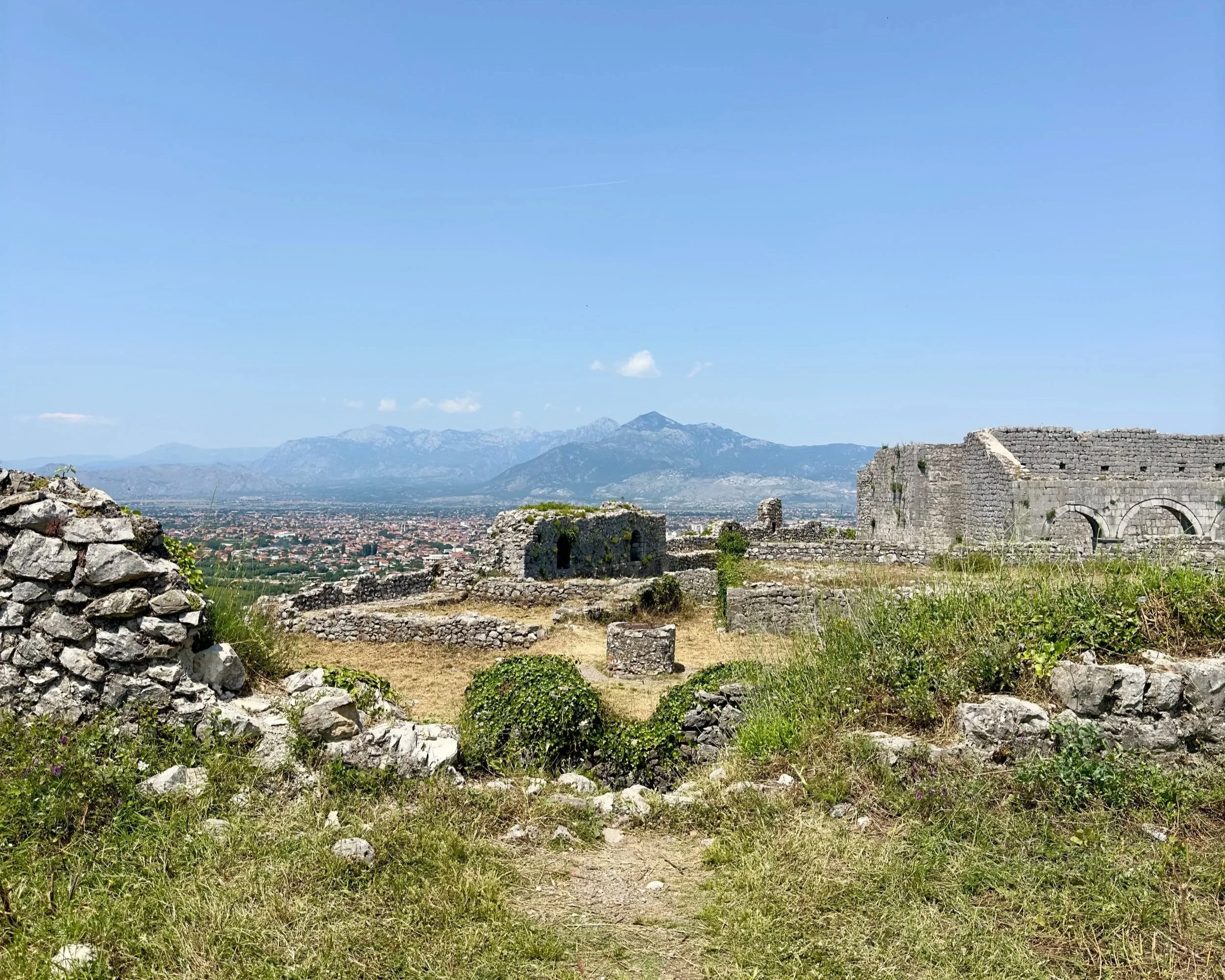
From the top, the view opened in every direction. The guide pointed toward Montenegro, then to the city of Shkodër below. The three rivers wound through the plain, shining under the sun. It was easy to see why this hill mattered to everyone who came here.
Near the exit, a small shop sold cold drinks and ice cream. We each had one, sitting on a low wall with the view spread out in front of us. The fortress looked tired in places, but the view made up for it.
Afterwards, we drove down into Shkodër town, the roads flattening as the castle slipped from sight.
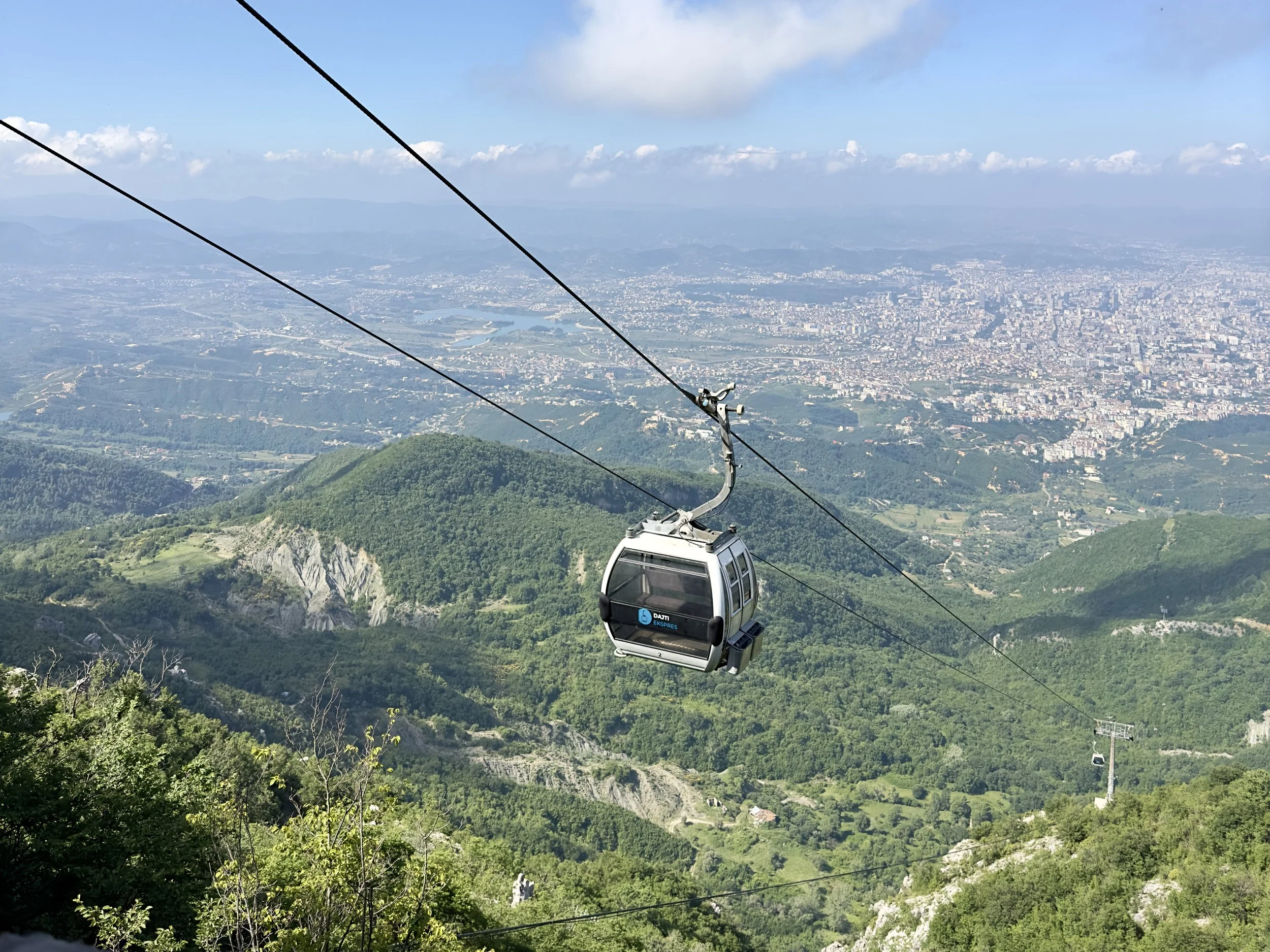
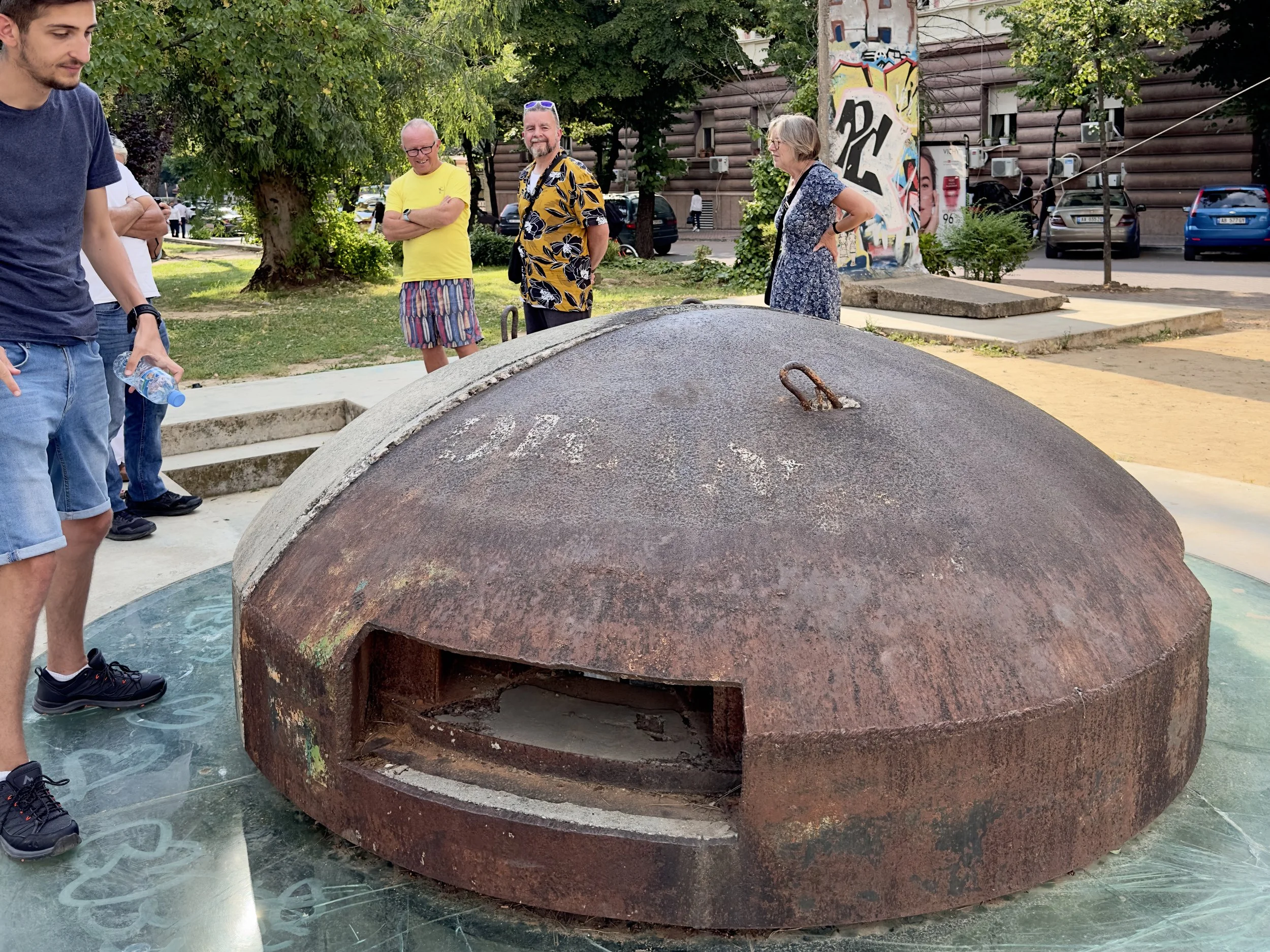
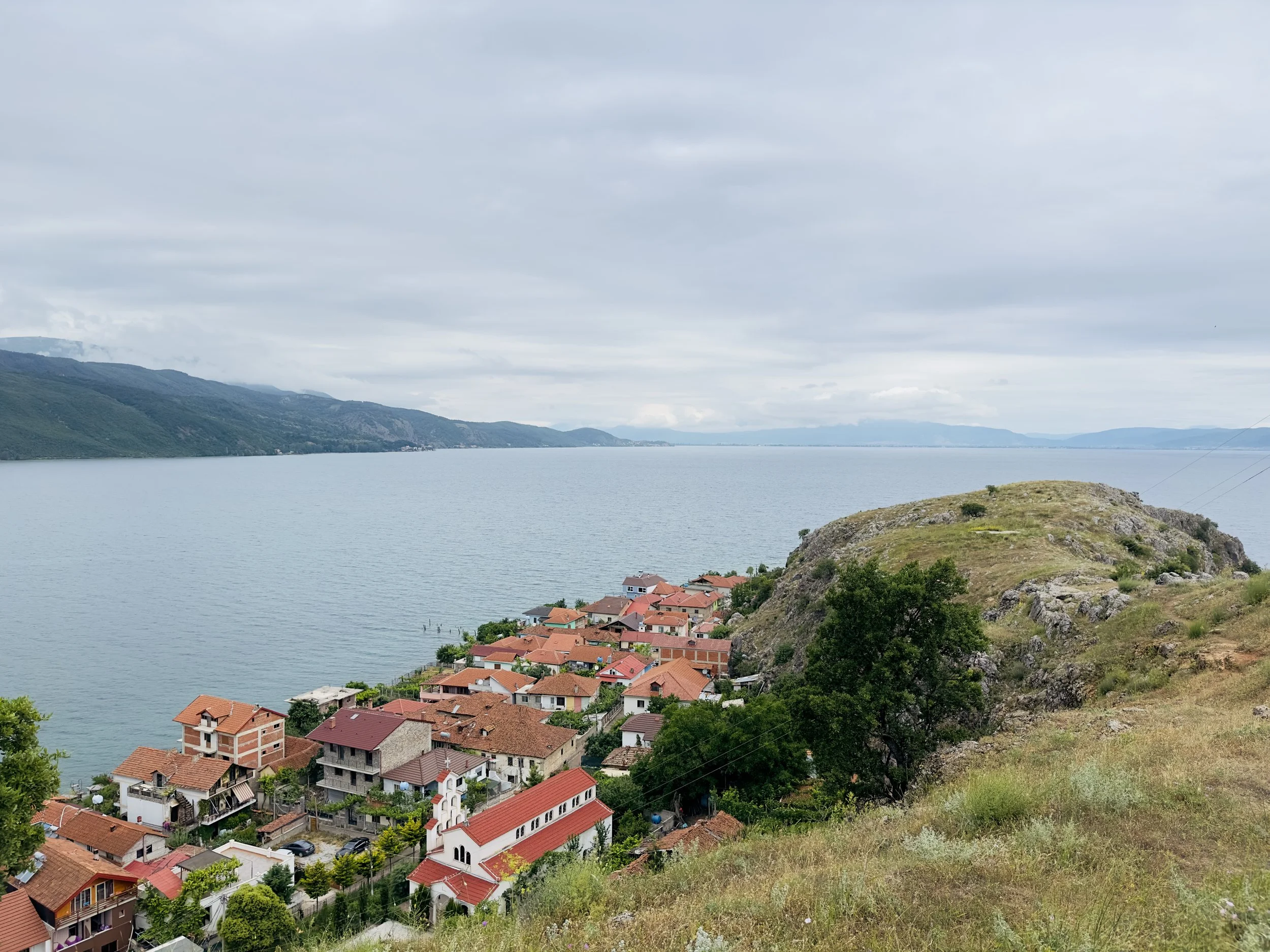
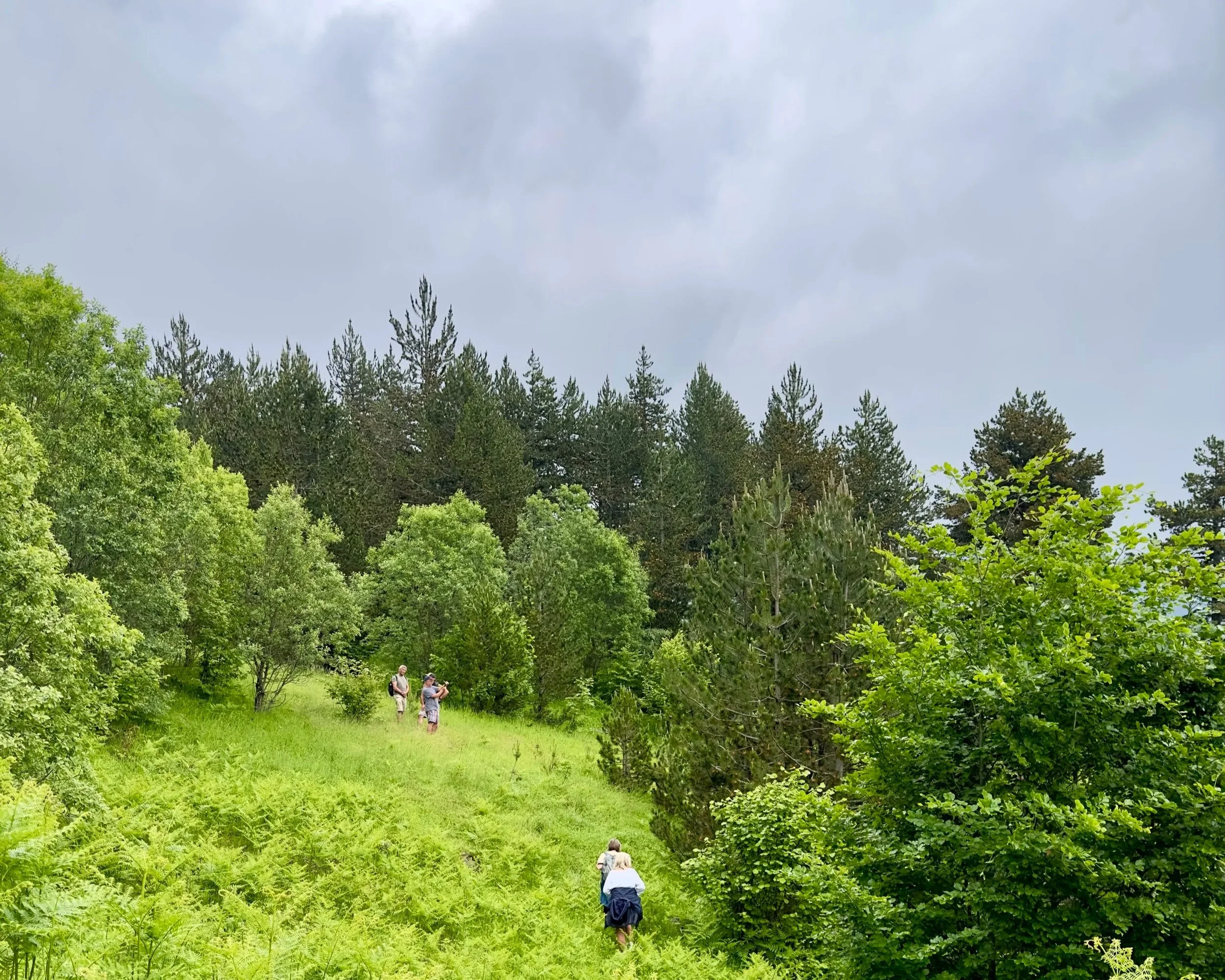
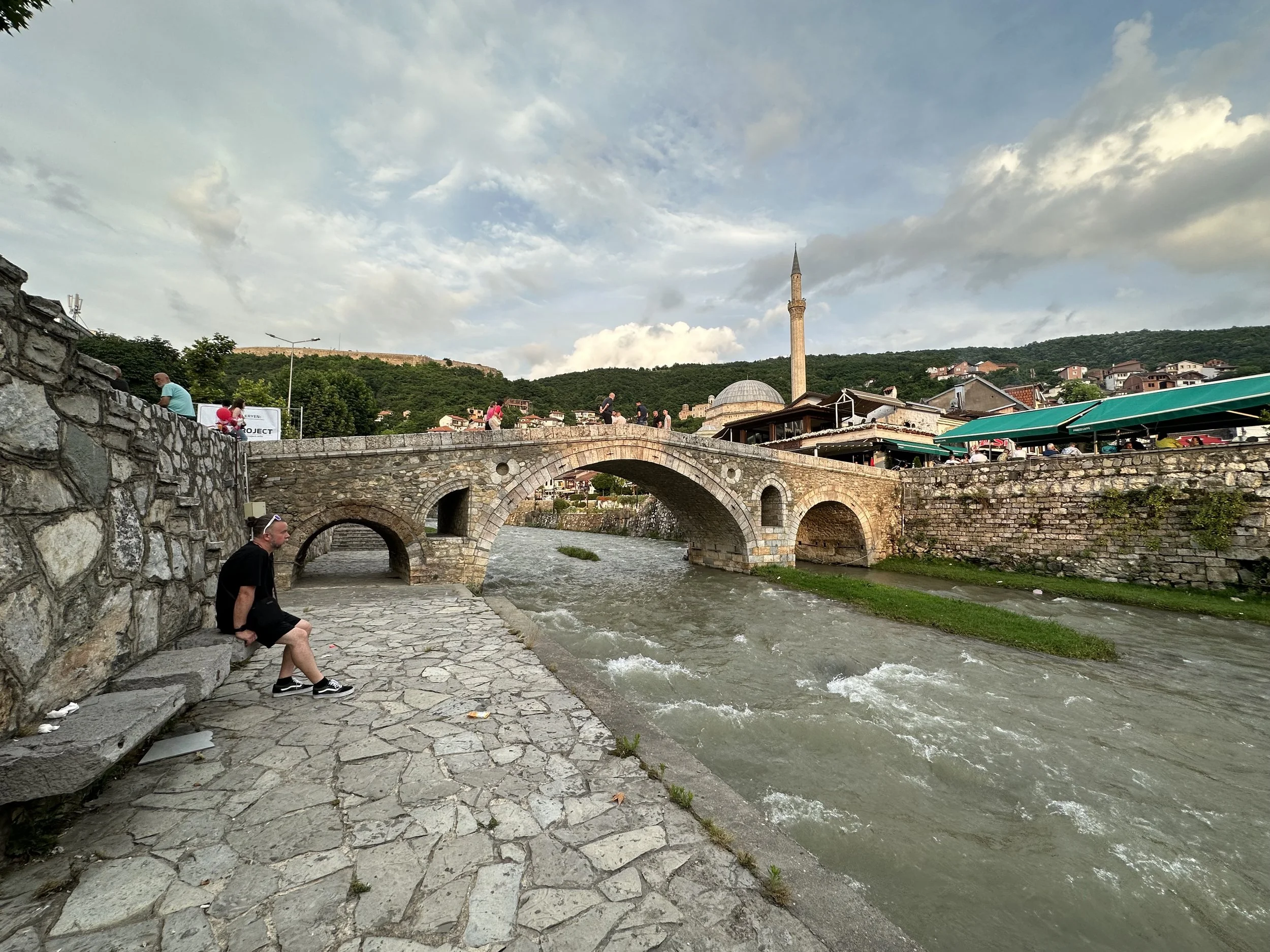
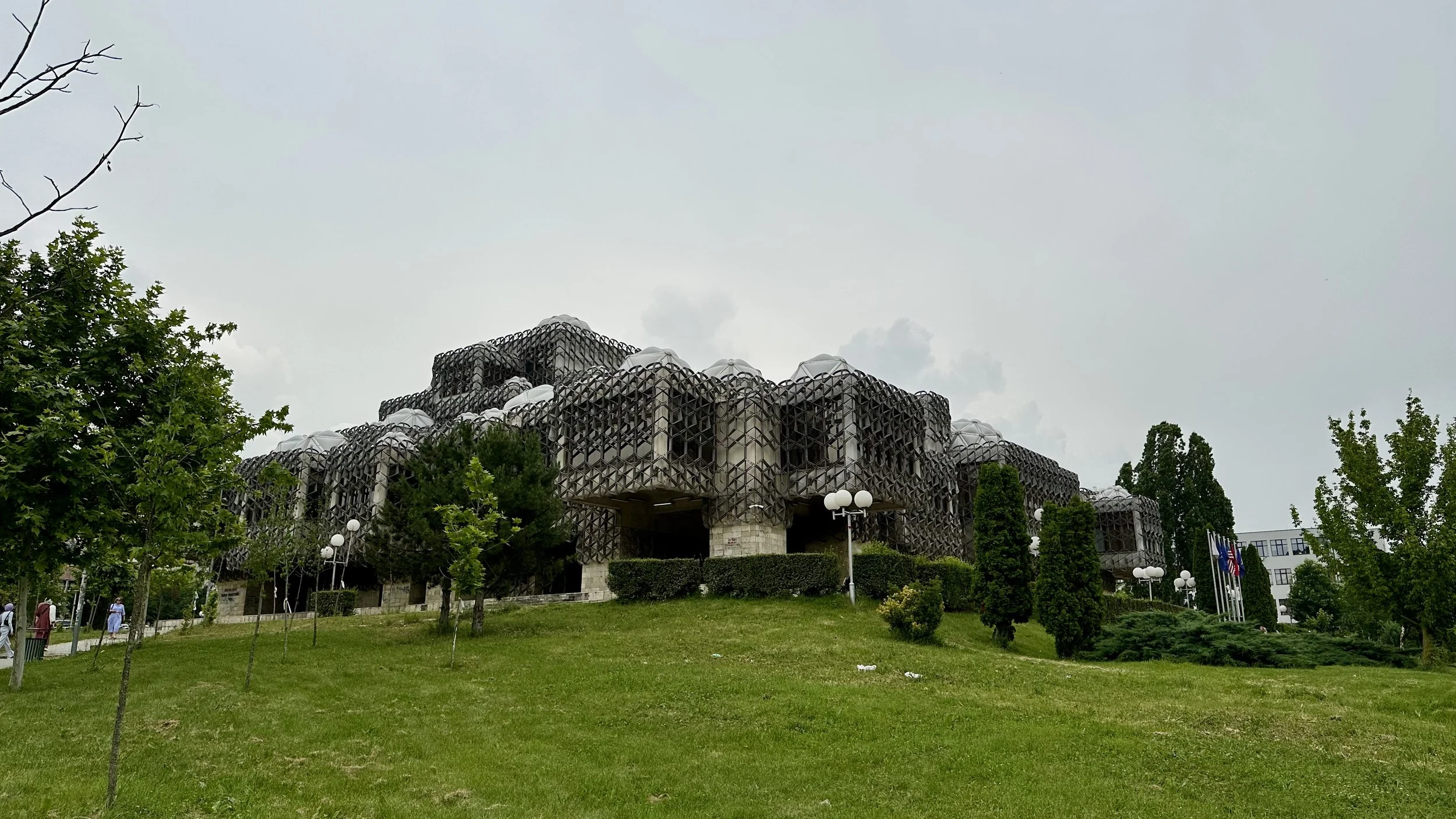
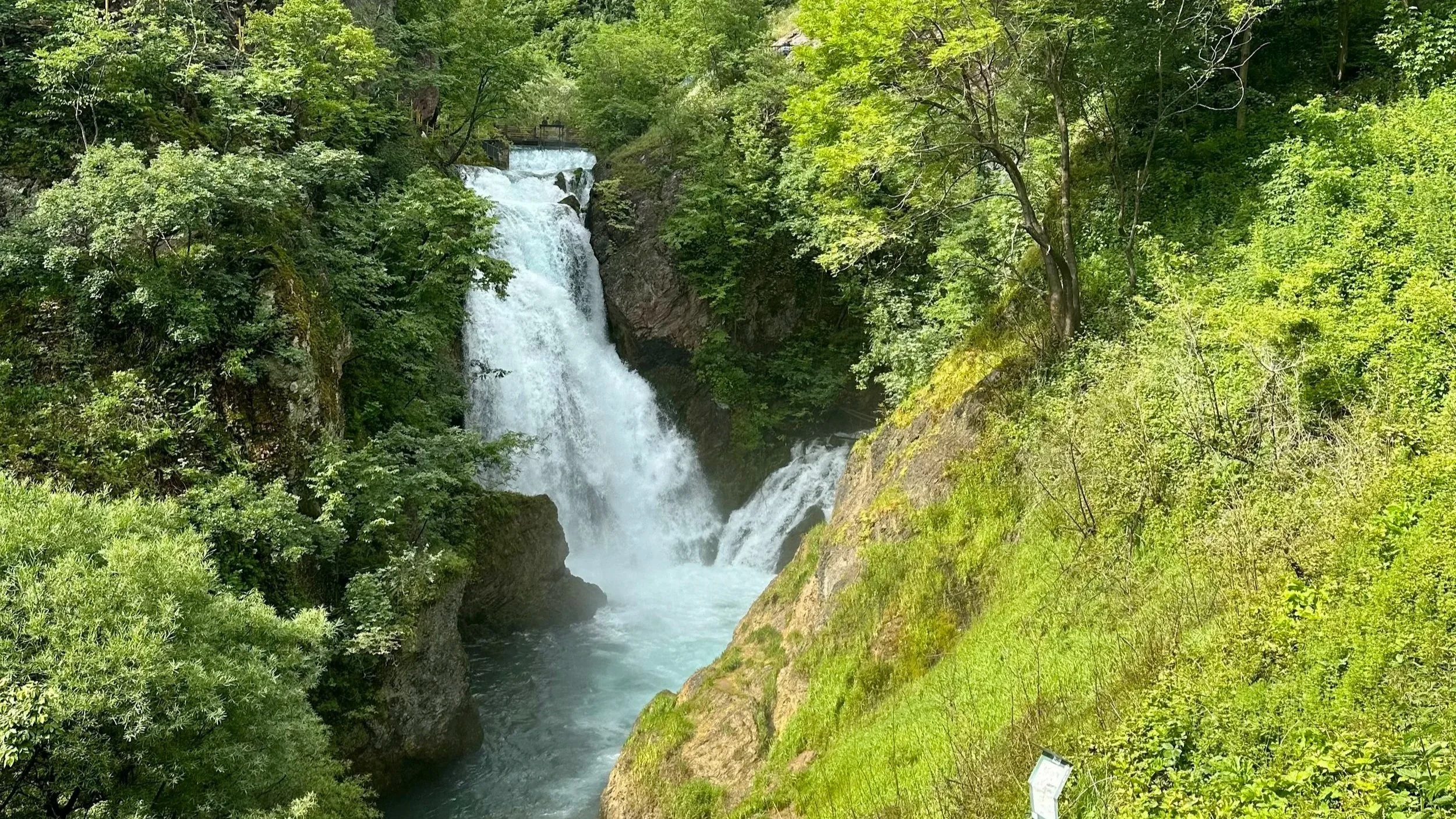
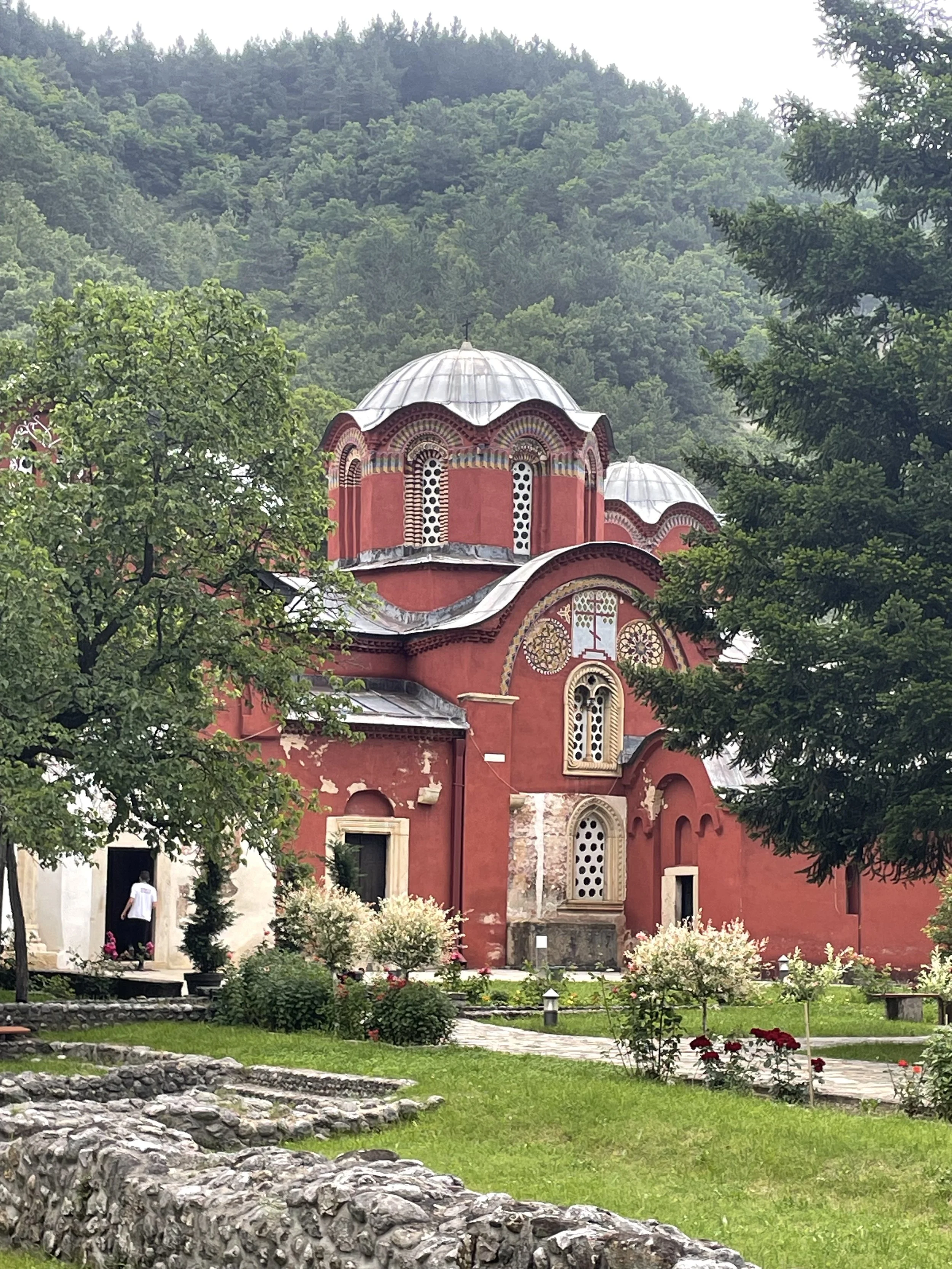
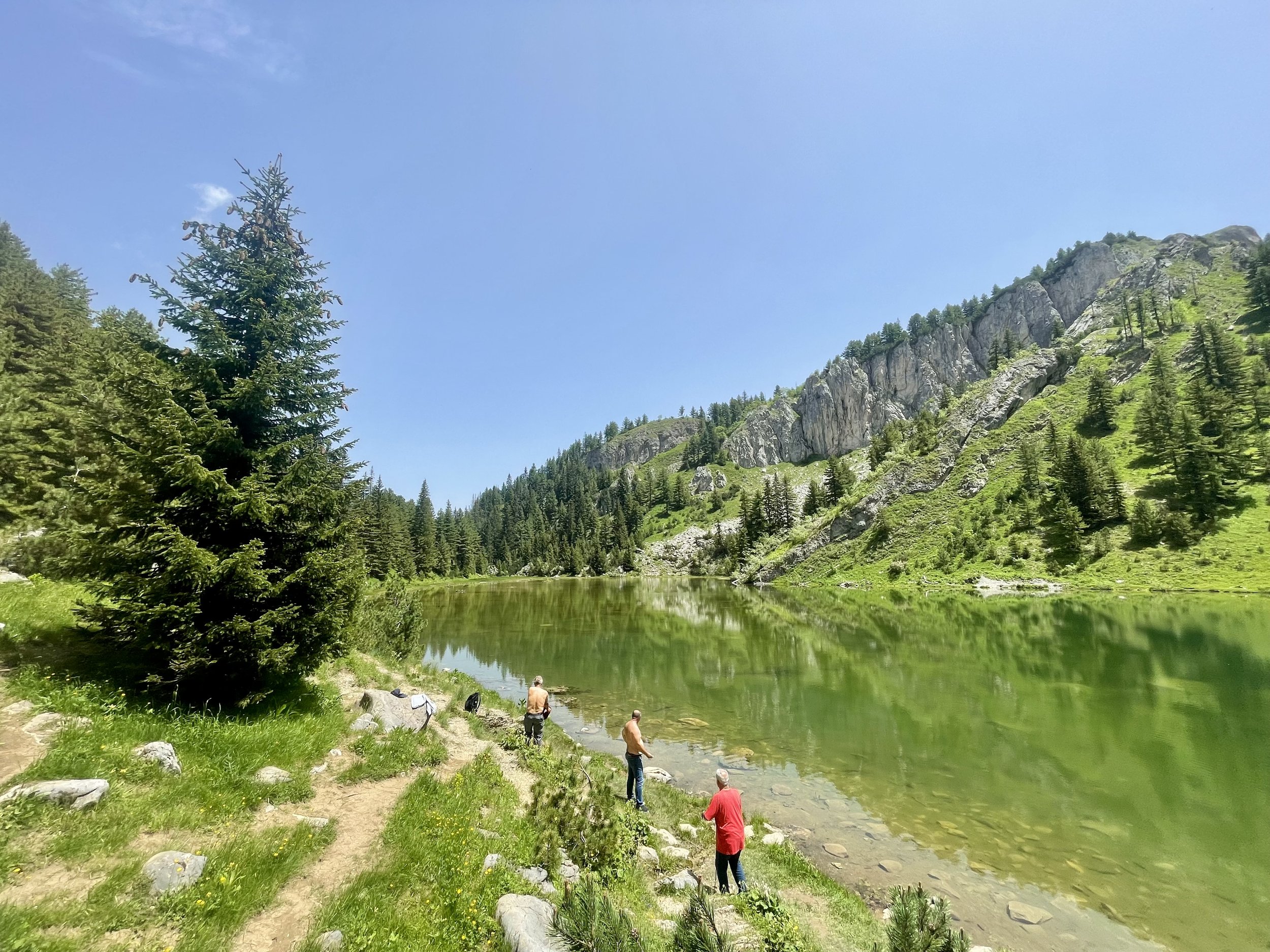
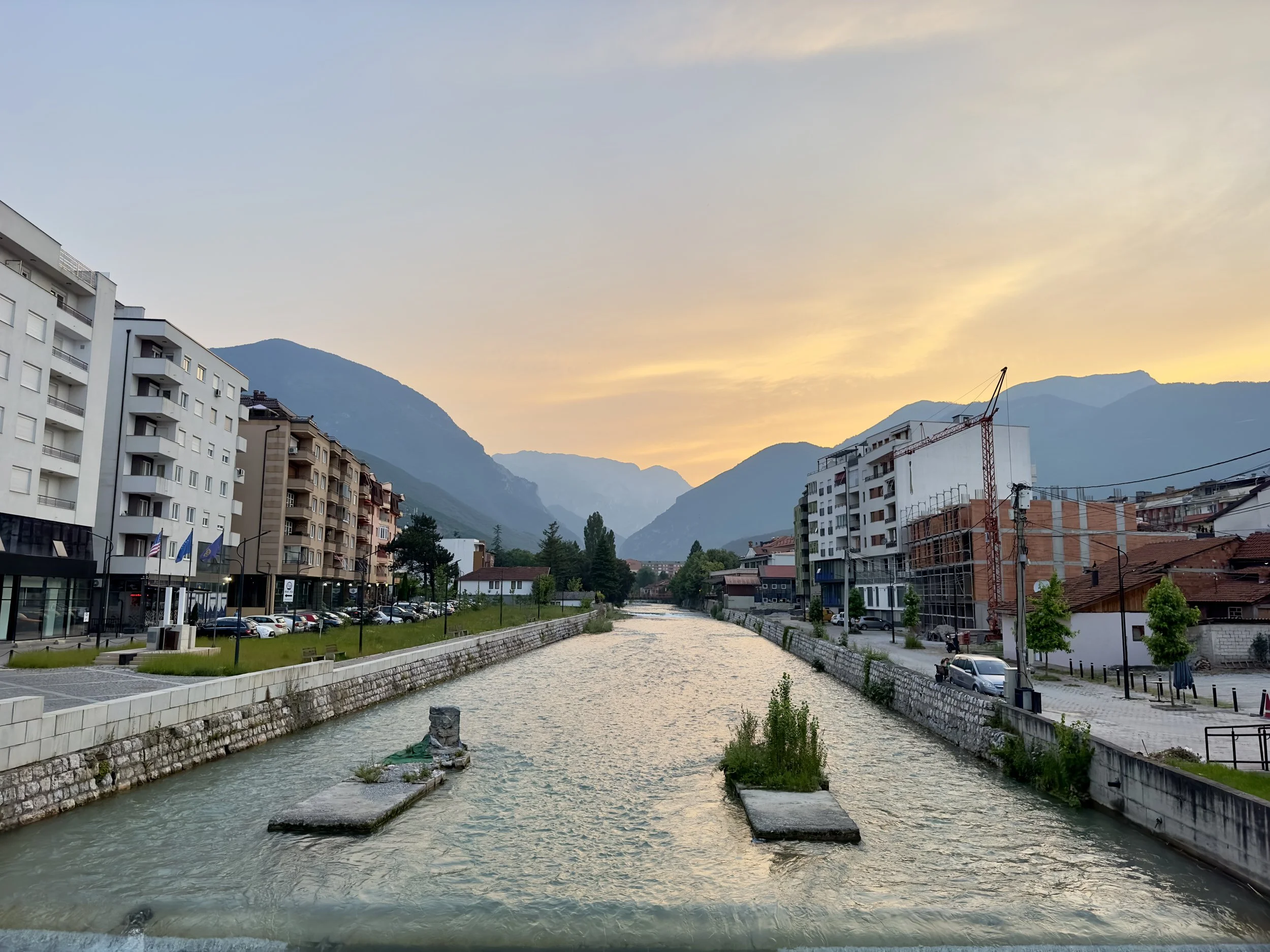
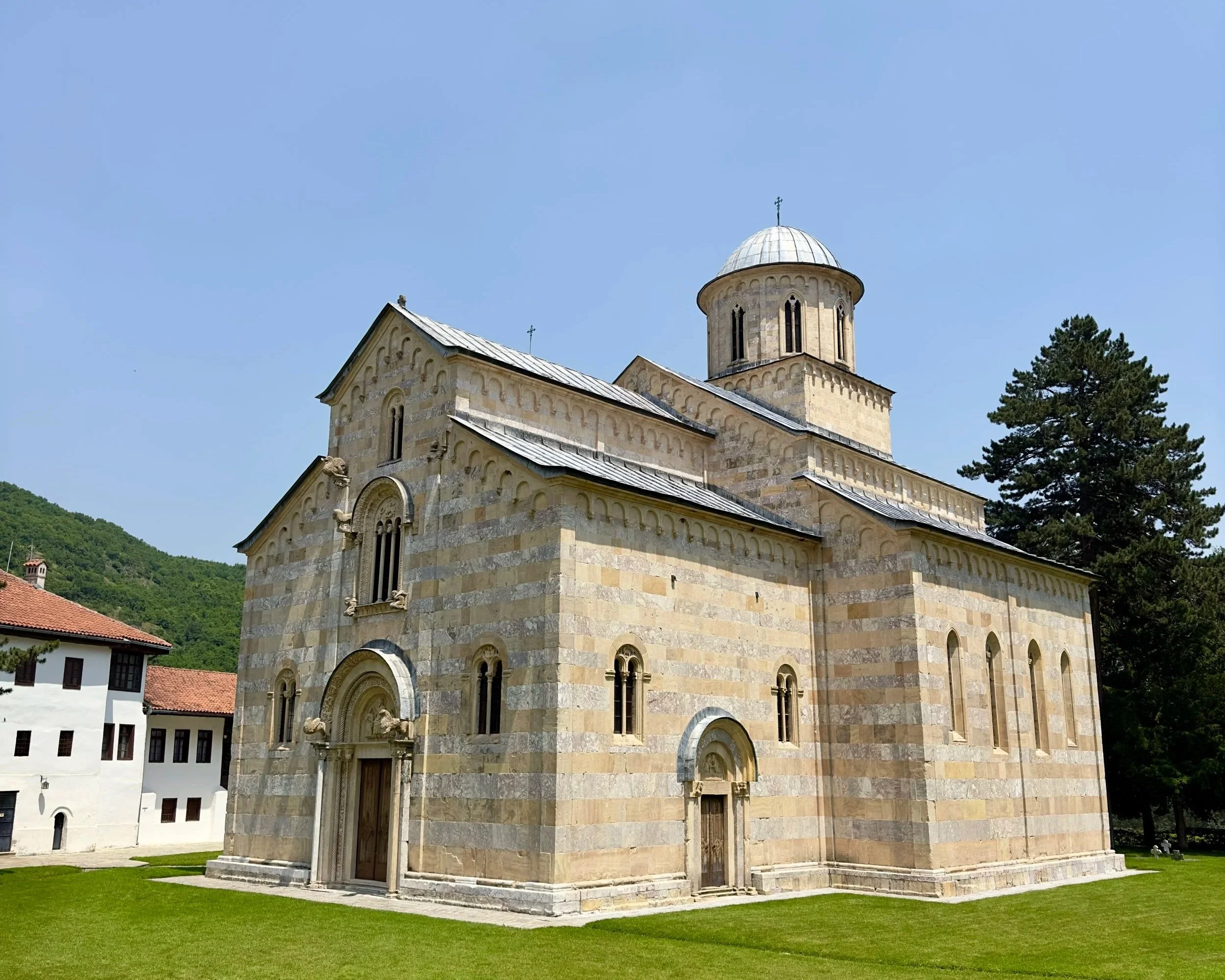

From Tirana’s bunkers and Lake Komani’s fjords to Kosovo’s monasteries and North Macedonia’s painted mosques, this Explore Travel route revealed a story of endurance and faith in the heart of the Balkans.