
Krujë: From Castle Walls to Sufi Roots
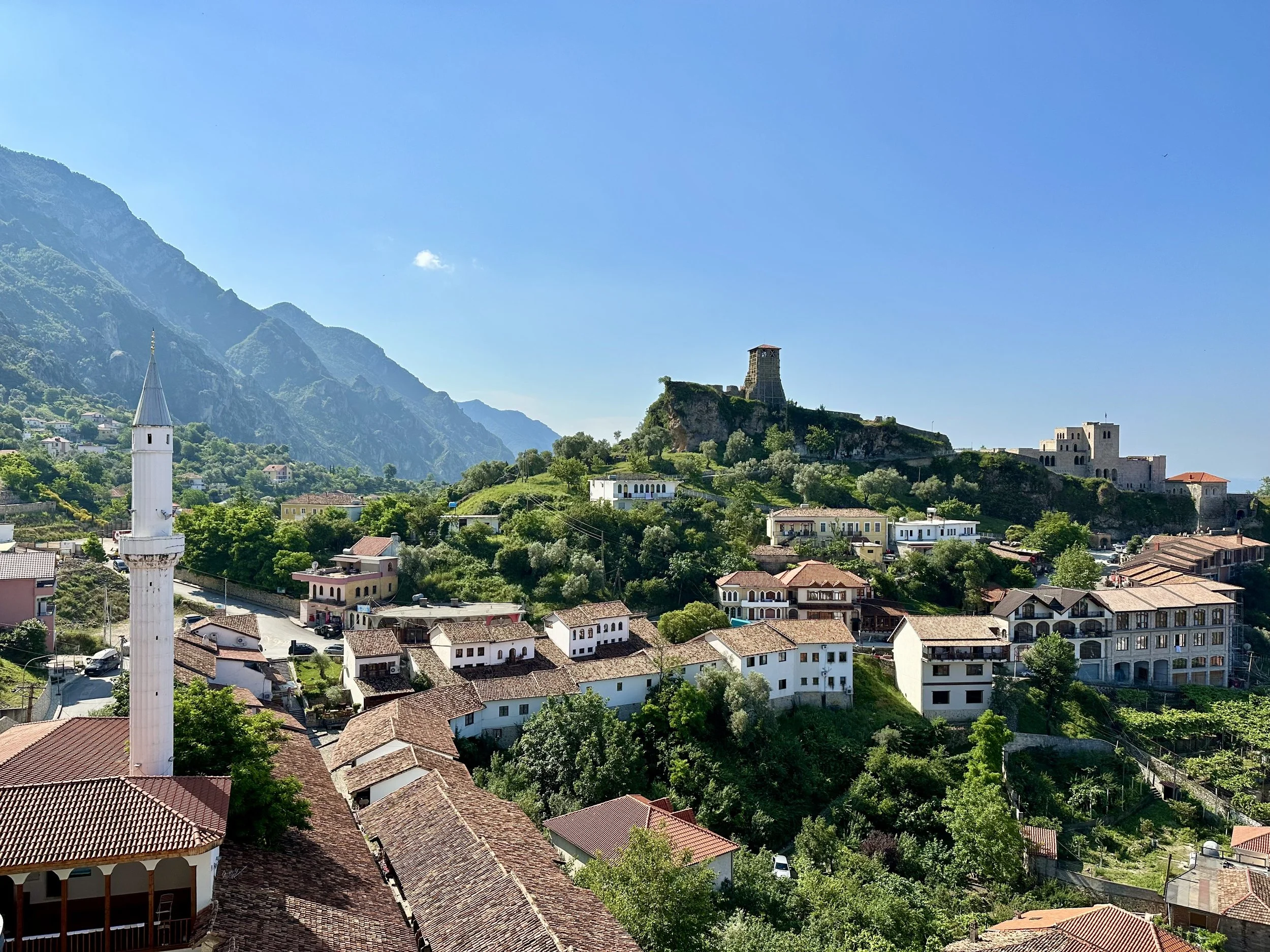
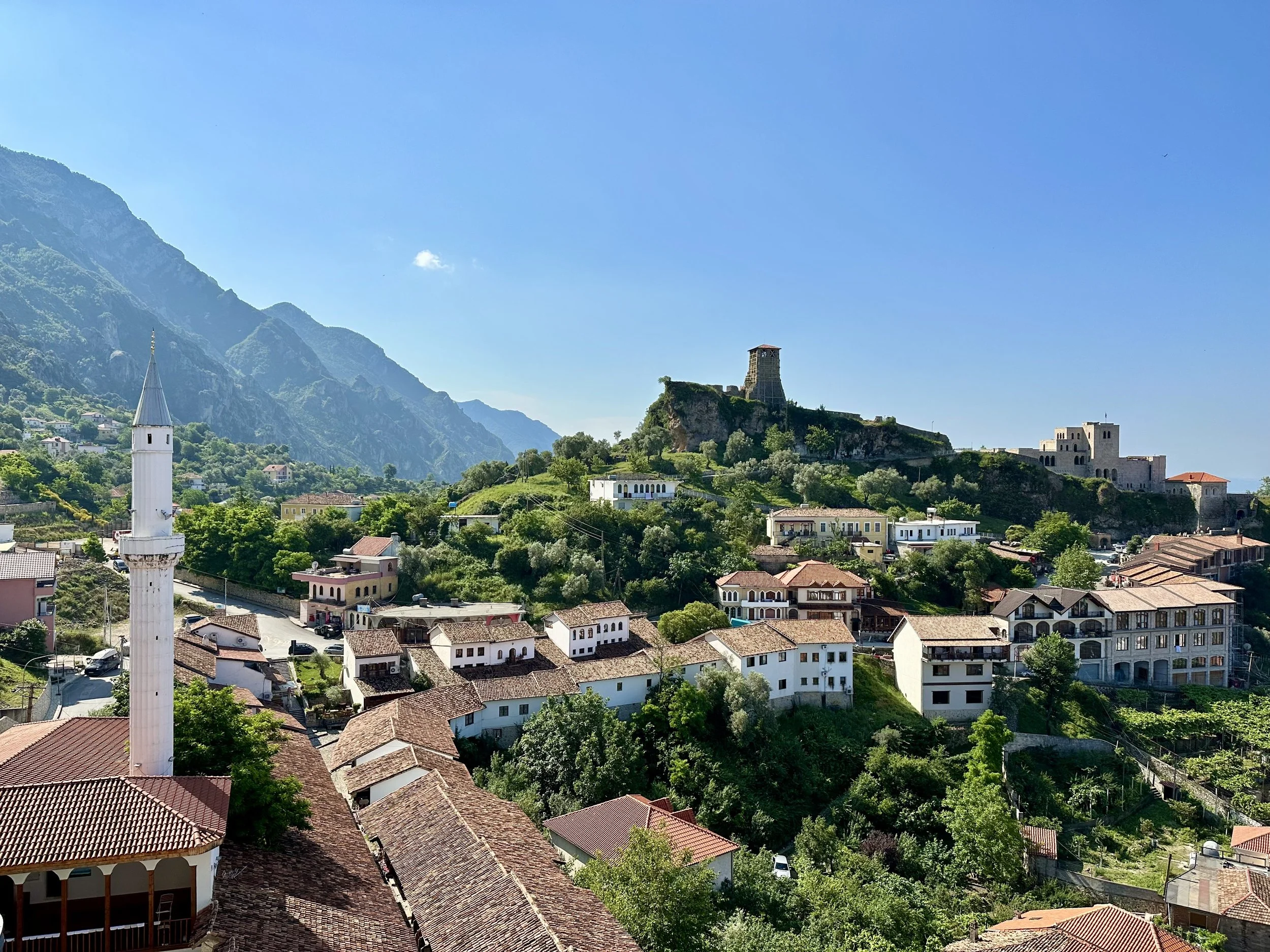
Krujë was where our Albania trip began. We stayed two nights in Hotel Panorama, one of the suites with a balcony that opened straight to the castle. From there, we watched the stone walls glow at sunset, the town falling quiet as the mountains turned blue. The next morning, we set out to explore the old town on foot, a simple loop that carried us through Krujë’s past and faith, and back to where it all began.
⏱ Krujë Walking Route
Route: Hotel Panorama > Old Bazaar > Watch Tower > Krujë Castle > Skanderbeg Museum > Castle Hammam > Sanctuary of Hajji Mustafa Baba > Dollma Tekke and Mosque > return to Hotel Panorama
Time: Around 2 hours 45 minutes at an easy pace (8:45–11:30)
Style: Loop, mostly uphill on cobbled paths
Good for: History lovers, quiet walkers, and those starting their Albania journey
🏠 Hotel Panorama (00:00–00:10)
Our walk began right at the hotel. From the balcony, the view stretched across Krujë’s red roofs and up to the castle walls. The morning air was cool and sharp. Down below, shopkeepers were already setting up in the bazaar, hanging rugs and copperware that caught the light.
🚶 Walk through the Old Bazaar (00:10–00:30)
We followed the cobblestones into the bazaar, one of the oldest in Albania. The path wound between wooden shops, each one heavy with colour, woven carpets, filigree jewellery, old medals, painted plates. The shopkeepers called out gently, more out of habit than insistence. The walk itself was slow and lovely, the kind of place where history feels hand-polished.
The bazaar dates back to the seventeenth century, built when Krujë became a centre of trade under Ottoman rule. Many of the families here still work in the same crafts their grandparents did, copper, wood, and wool passed through generations.
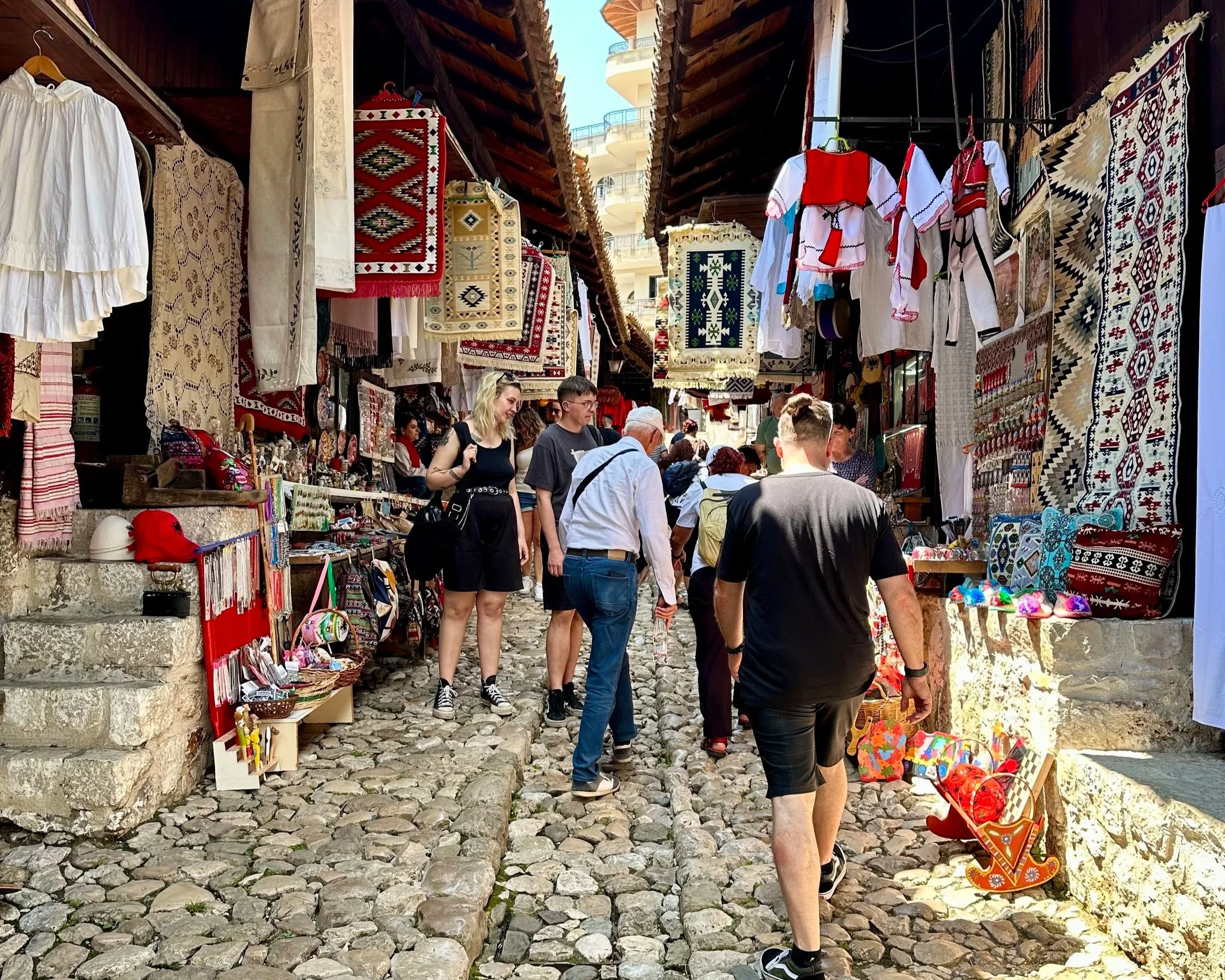
Kruje Bazaar
🕰 Watch Tower (00:30–00:50)
Before entering the castle, we detoured uphill to the Watch Tower, a short climb of ten minutes from the top of the bazaar. The tower stands quiet at the edge of the walls, overlooking the valley. Inside, a steep staircase leads to the viewing platform, where the whole of Krujë spreads below, red roofs, green hills, and the Adriatic faint in the distance. It was built as part of the fortress defence and later used as a lookout post.
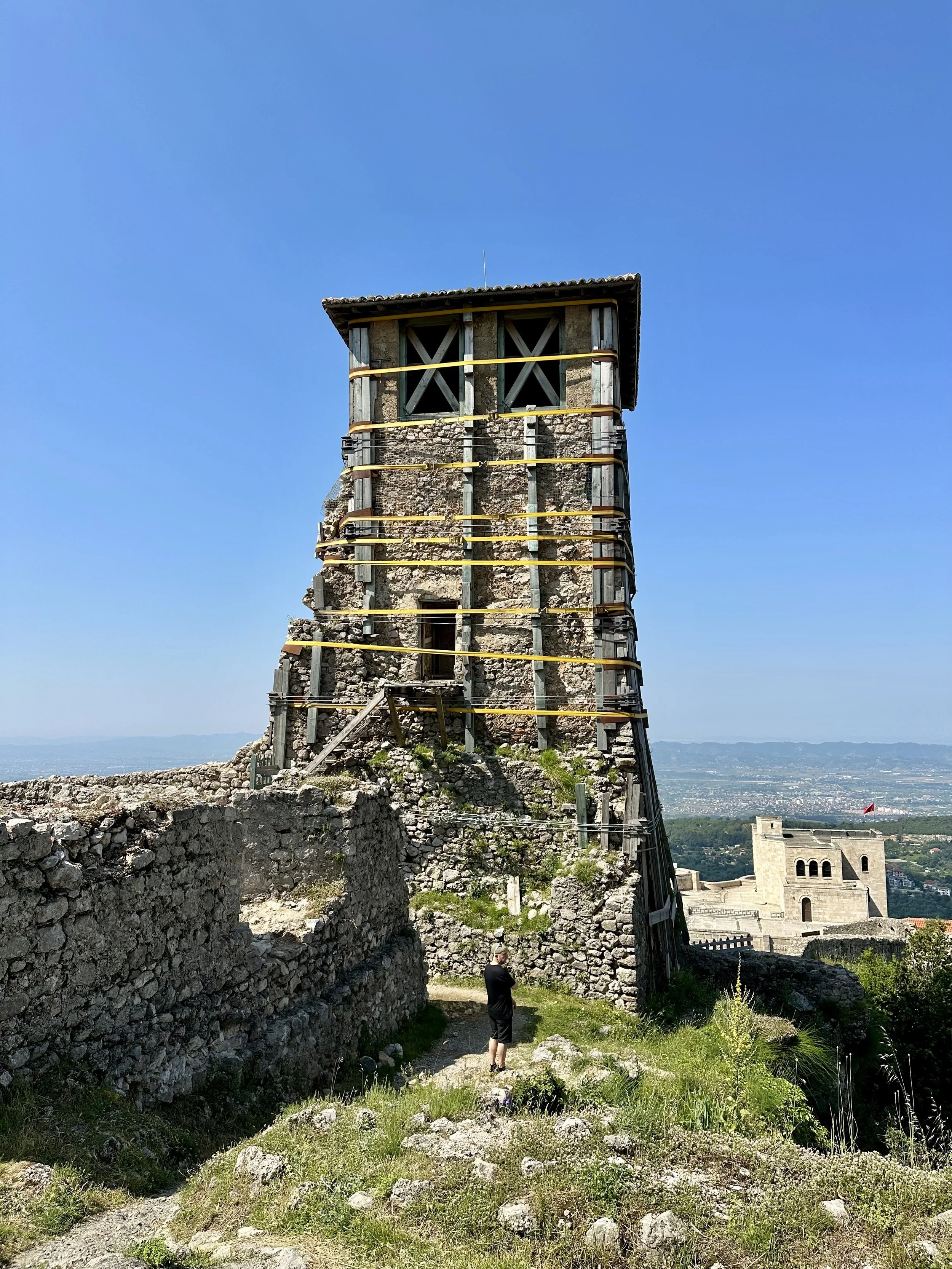
Kruje Watch Tower
🏰 Krujë Castle (00:50–01:05)
The path climbed until the shops thinned and the walls rose ahead. We entered through the stone gate and walked along uneven paths where grass grew between old stones. Inside, the ruins still hold shape, towers, steps, foundations. From the ramparts, the valley opened wide, and you could see all the way to the plain below.
Krujë Castle has stood here since the fifth or sixth century. It became Skanderbeg’s stronghold in the 1400s, holding out against three major Ottoman sieges. To Albanians, this fortress is not just stone. It is the birthplace of national resistance.
🏛 Skanderbeg Museum (01:05–01:35)
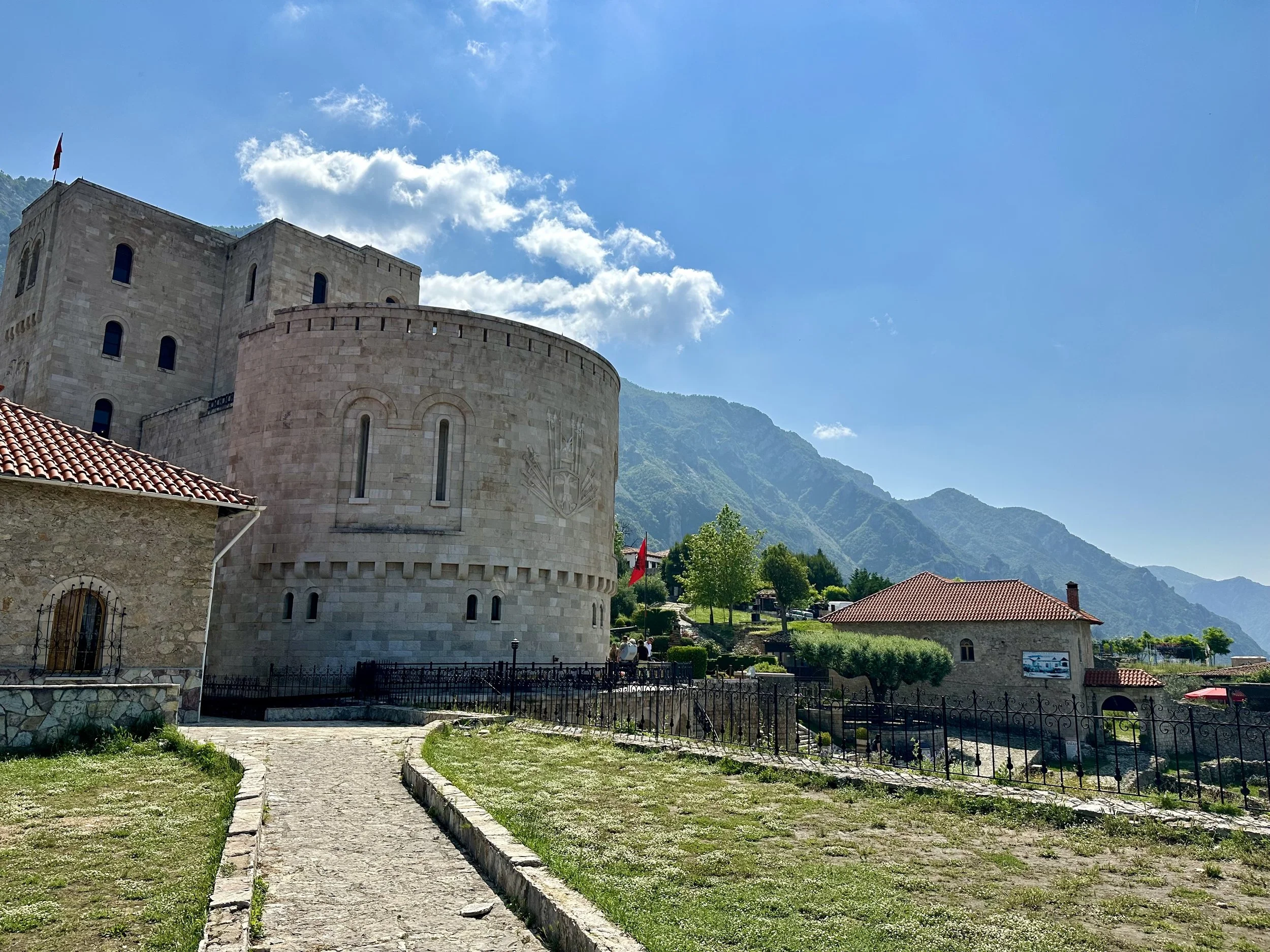
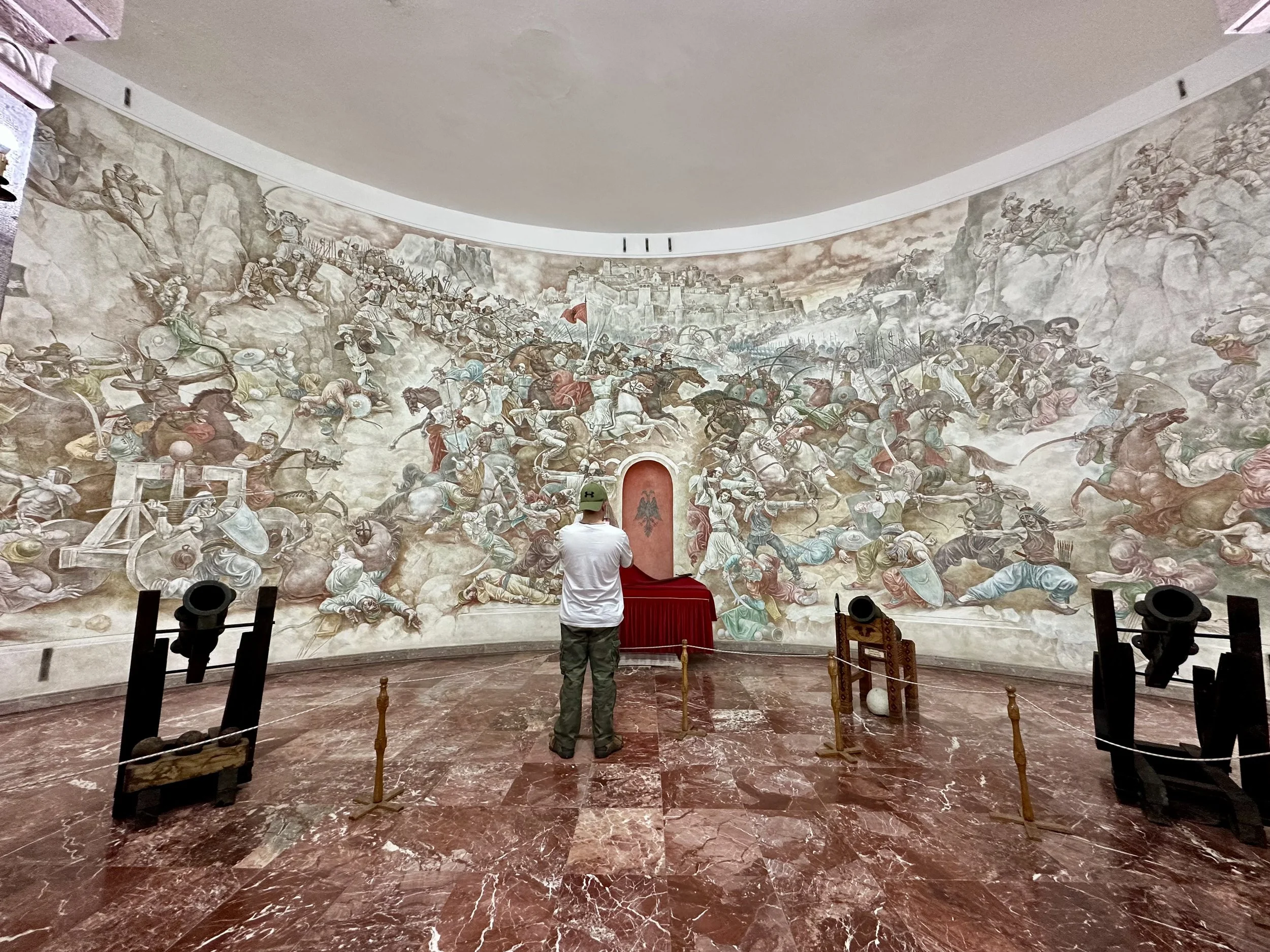
Inside the castle sits the Skanderbeg Museum, built in the 1980s but designed to echo a medieval fortress. We went in and wandered its halls filled with murals, weapons, and relics honouring Albania’s national hero. The view from the balconies was spectacular, the same view Skanderbeg’s men would have watched when they defended this hill against the Ottomans.
The museum was designed by Albanian architect Pranvera Hoxha, daughter of Enver Hoxha, and historian Aleks Buda. It stands as a statement of national pride, built during a time when Albania was still closed to the world.
🧱 Krujë Castle Hammam (01:35–01:40)
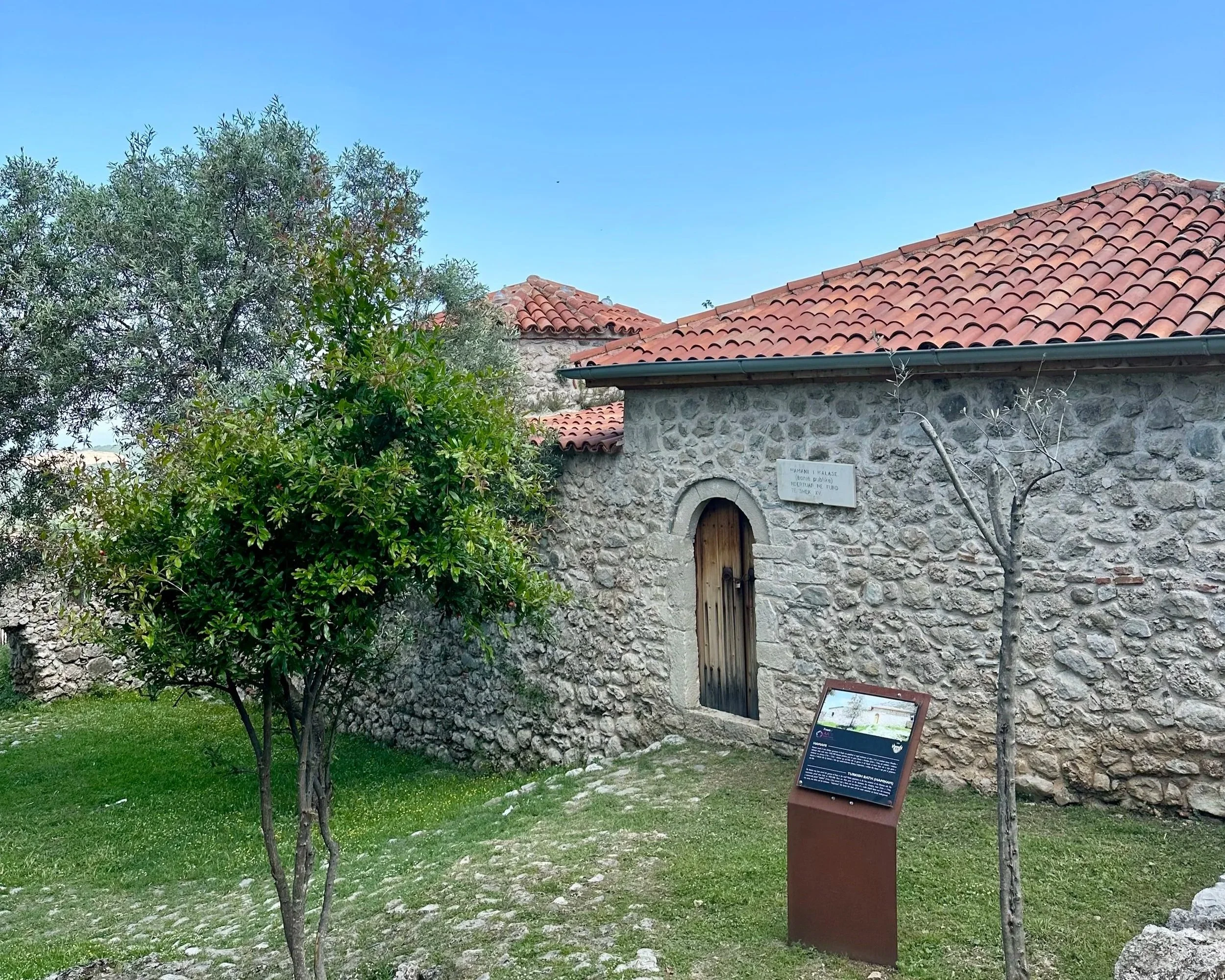
Just outside the museum stood the old hammam. It was closed when we visited, its arched entryway fenced off, but you could still see the domed roof and faint outlines of the old bath chambers. It is one of the last Ottoman-era baths in Krujë, still standing but fragile, waiting for restoration.
These baths once served both travellers and townsfolk, with separate sections for men and women. They were places for cleansing, gossip, and ritual, part of everyday life that has mostly disappeared from Albanian towns today.
☪️ Sanctuary of Hajji Mustafa Baba (01:40–01:55)
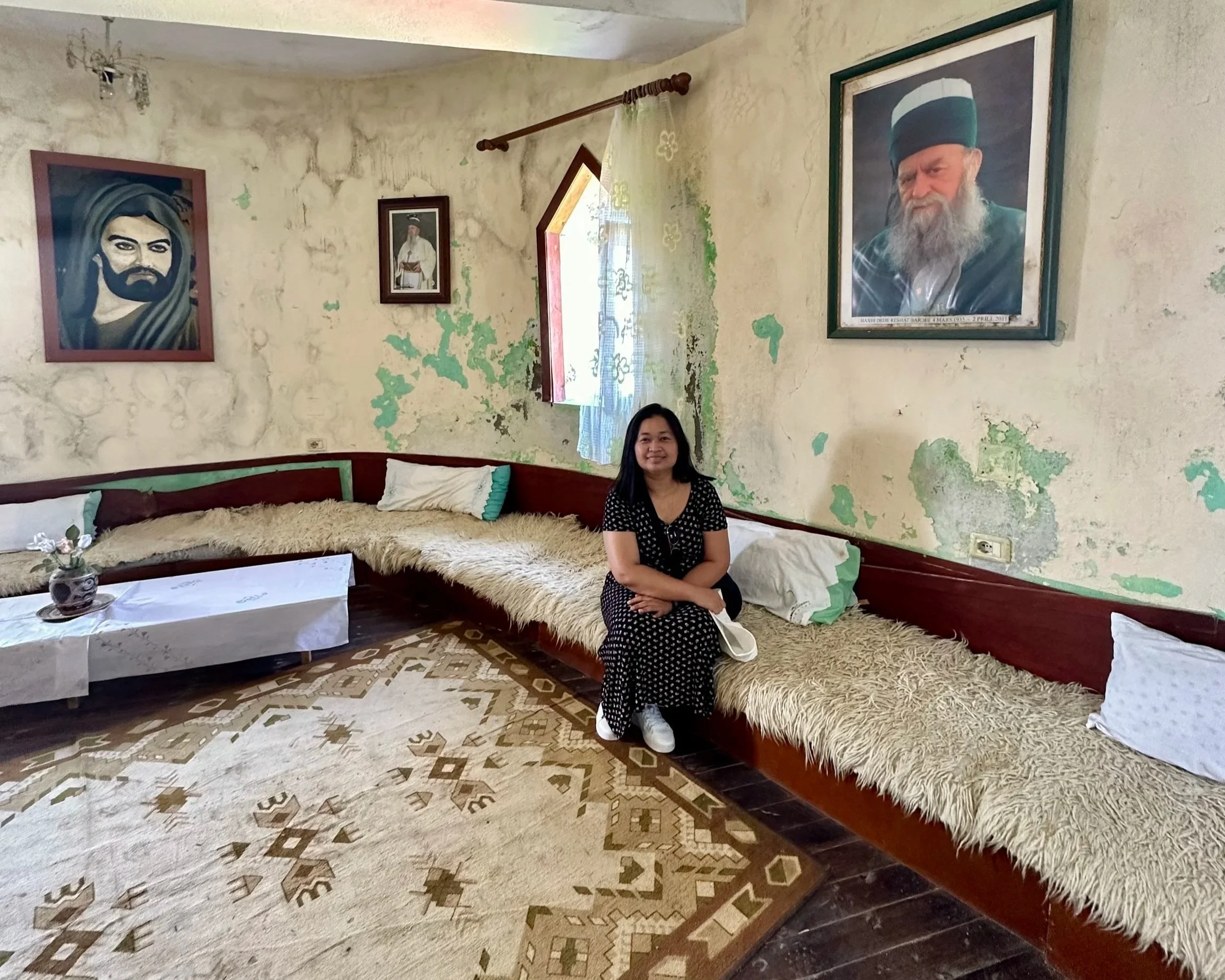
We followed the quiet lane leading out of the castle walls toward the sanctuary of Hajji Mustafa Baba. It is a small, modest shrine, but an important one, a Bektashi tekke that once drew pilgrims from across the region. The site feels peaceful and almost forgotten, the kind of place where time folds into silence.
The Bektashi order blends Islamic mysticism with Albanian folk traditions, its tekkes known as places of reflection and tolerance. This sanctuary is one of the few that survived Albania’s atheist decades intact, quietly protected by locals.
🕌 The Dollma Tekke and Mosque (01:55–02:15)
Past the sanctuary, a narrow gate led us into the Dollma Tekke, a quiet Sufi sanctuary surrounded by fig trees and stillness. Inside, the walls were cracked and the paint flaking, but the place held a kind of calm that felt centuries deep.
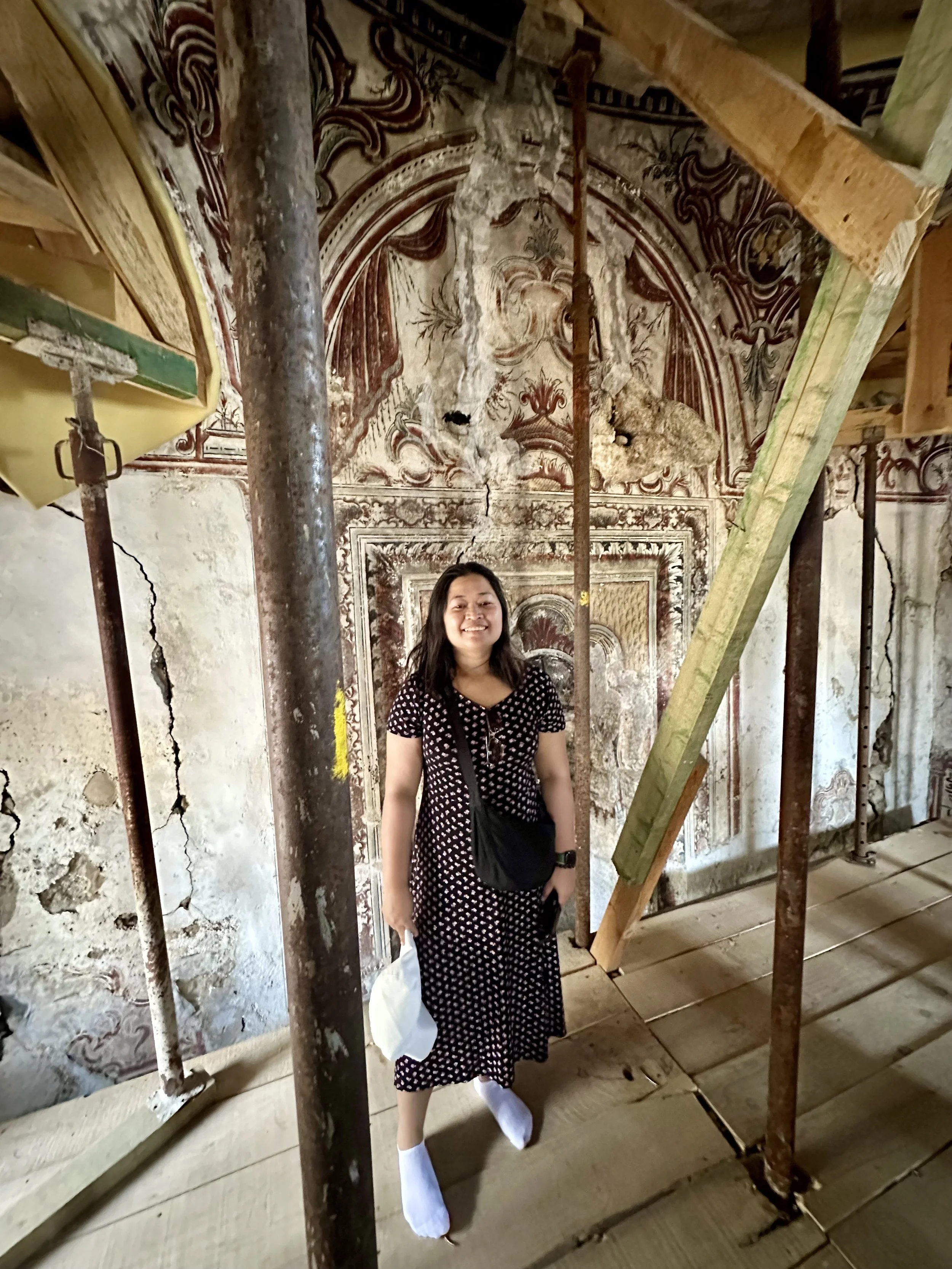
We climbed to the upper floor of the Dollma Mosque, stepping carefully between scaffolding and soft light. The frescoes around the mihrab were fading but still beautiful, traces of Ottoman red and green clinging to the plaster. The mosque dates back to the fifteenth century and is one of the few in Krujë that survived wars, earthquakes, and Albania’s atheist years. The Dollma family kept it alive through all of it, quietly tending to the sanctuary when worship was banned.
Outside, an ancient tree shades the courtyard. Locals say it symbolises endurance and the link between earth and heaven, a reminder that faith, like roots, can survive anything.
🏠 Return to Hotel Panorama (02:15–02:30)
We retraced our steps back down the same cobbled street, past the bazaar and up to our hotel. From the balcony, the castle stood still against the late-morning haze. Krujë felt smaller now, not because we had seen it all, but because walking its stones made it familiar.
💡 Pro Tips
Go early, before tour buses arrive. The bazaar feels timeless when it’s quiet.
Wear proper walking shoes. The cobbles are uneven, especially near the castle walls.
Bring cash. Most stalls and the small museums don’t take cards.
Stop for coffee at Bar Panorama. The terrace view is one of the best in Krujë.
Mornings have the clearest light for photos and views across the plain to the Adriatic.
📸 Best Selfie Spots
From the Watch Tower, with the valley spreading below.
On the castle ramparts, framed by the Albanian flag fluttering in the wind.
At the Old Bazaar, between carpets and copper lamps.
Under the ancient tree at Dollma Tekke — soft light and deep shade make for a peaceful shot.
⏳ More to See (if you have time)
Ethnographic Museum: inside a preserved Ottoman house within the castle grounds, showing traditional Albanian life.
National Iconographic Museum of Onufri: a short drive away, for those interested in medieval icon art.
Mount Krujë viewpoint: drive or hike further up for panoramic views of the fortress and plains.
Sari Salltik Cave: a pilgrimage site higher in the mountains dedicated to a Bektashi saint; legend says he brought Islam to Albania.
💭 Final Thoughts
Krujë isn’t grand, but it’s powerful. It feels like the country’s memory condensed into one hill — resistance, trade, devotion, survival. Every path, from bazaar to tekke, tells a piece of that story.
For a first stop, it grounds you. The castle teaches pride, the tekkes teach patience, and the walk itself teaches pace. By the time you leave, Albania doesn’t feel distant anymore. It feels known.
Krujë was a quiet start, a soft landing before the journey unfolded north. The day after, we left these mountain walls behind and followed the road toward Shkodër, where the legend of Rozafa waited by the river.
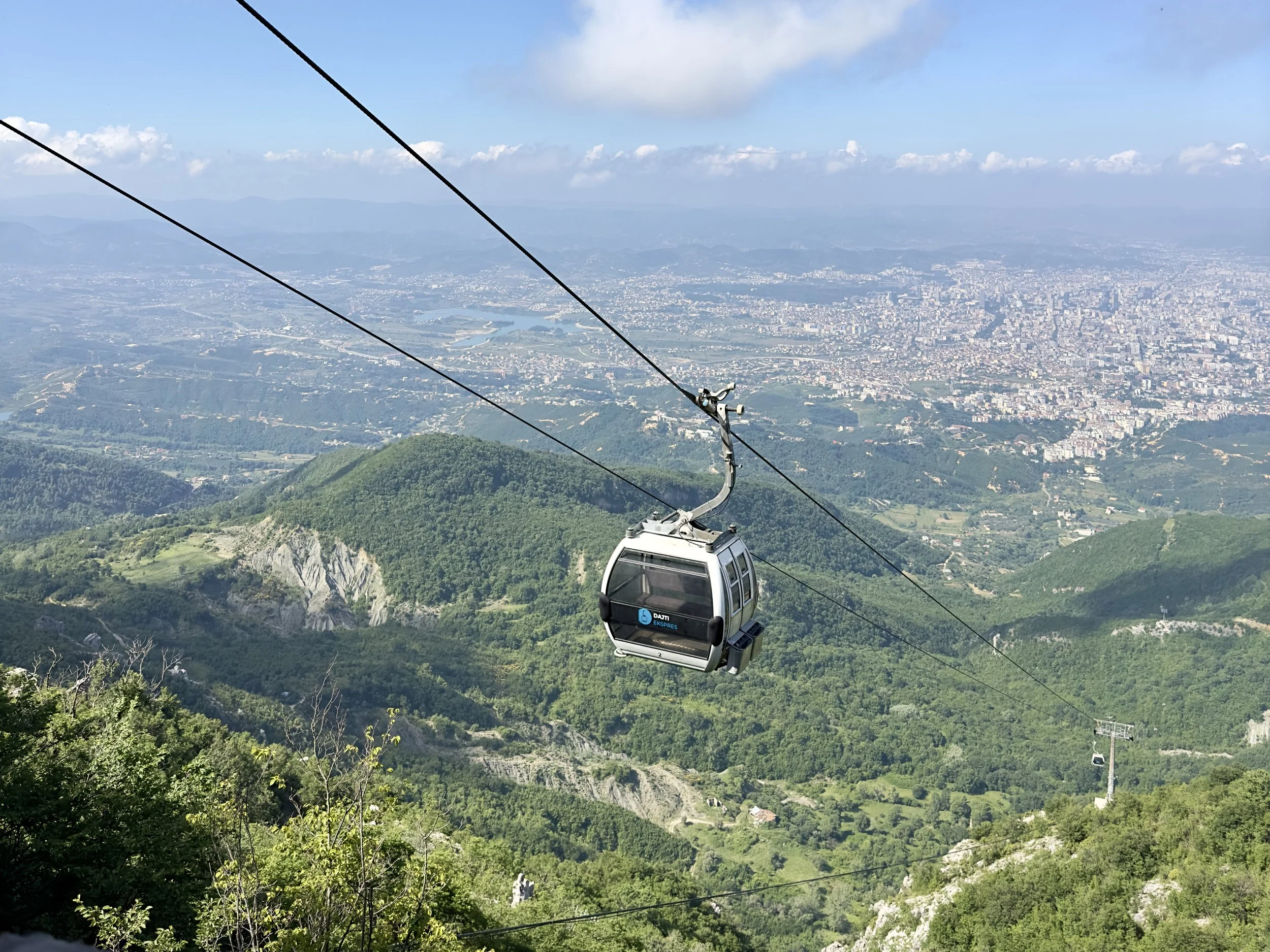
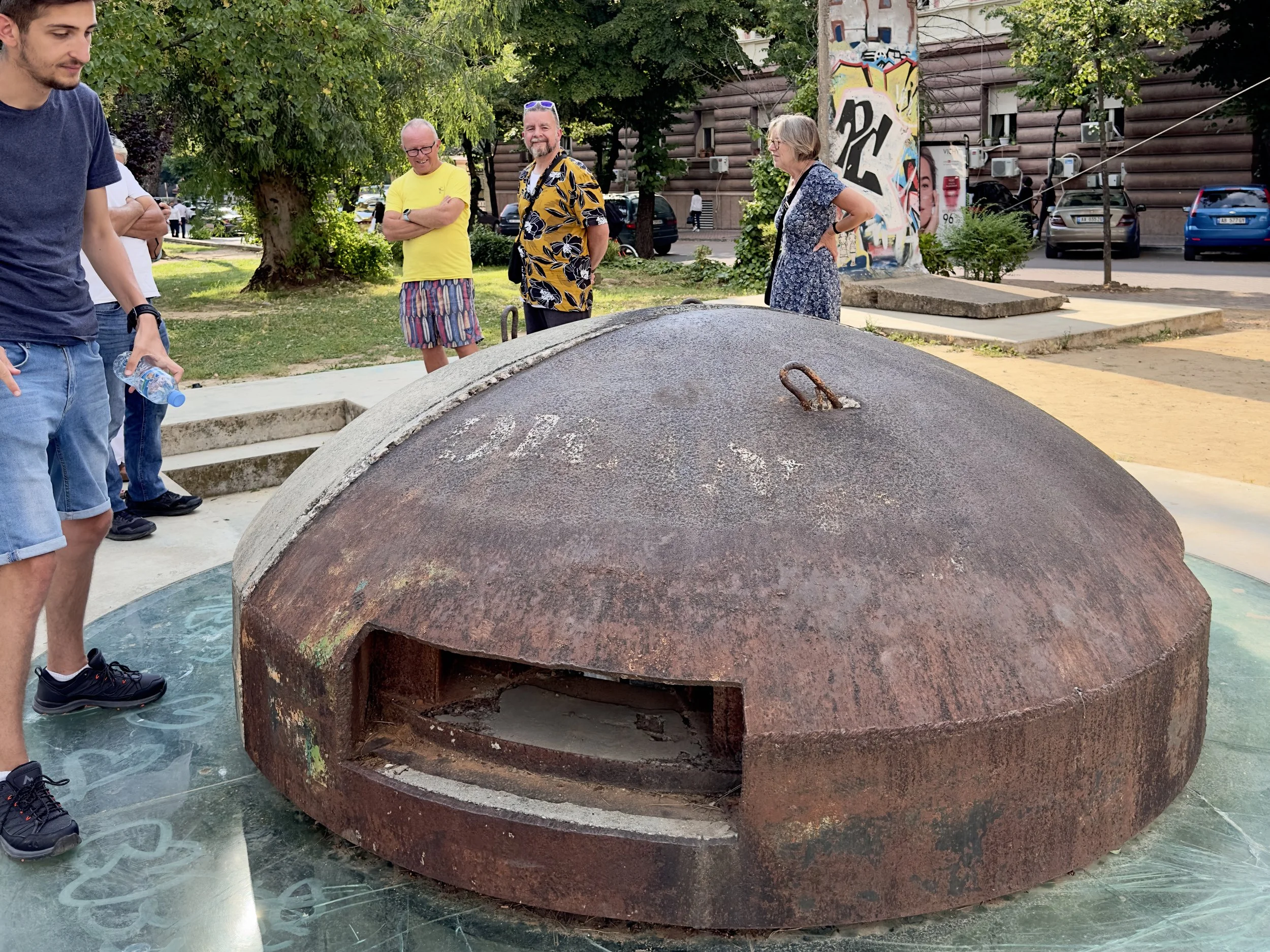
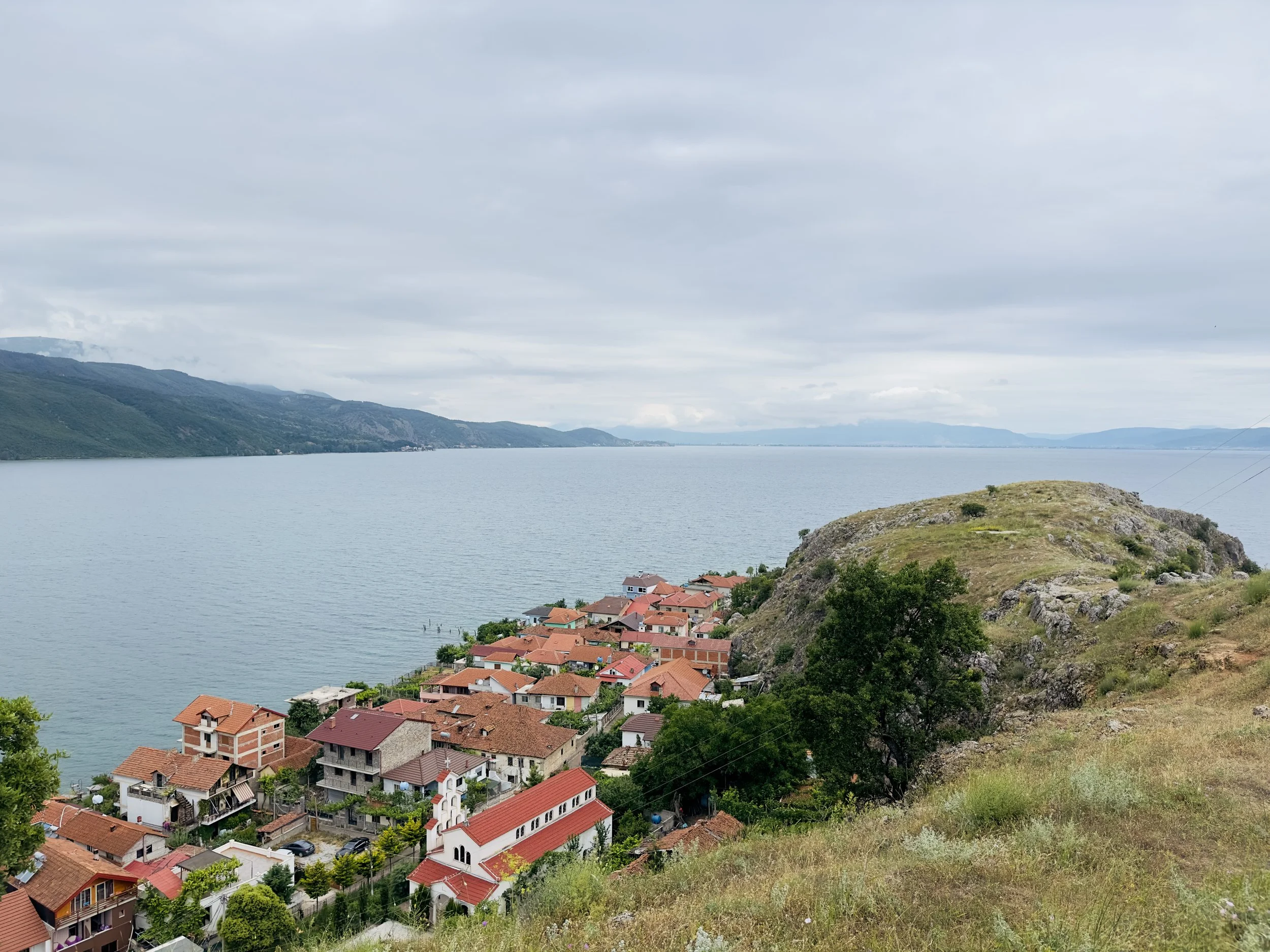
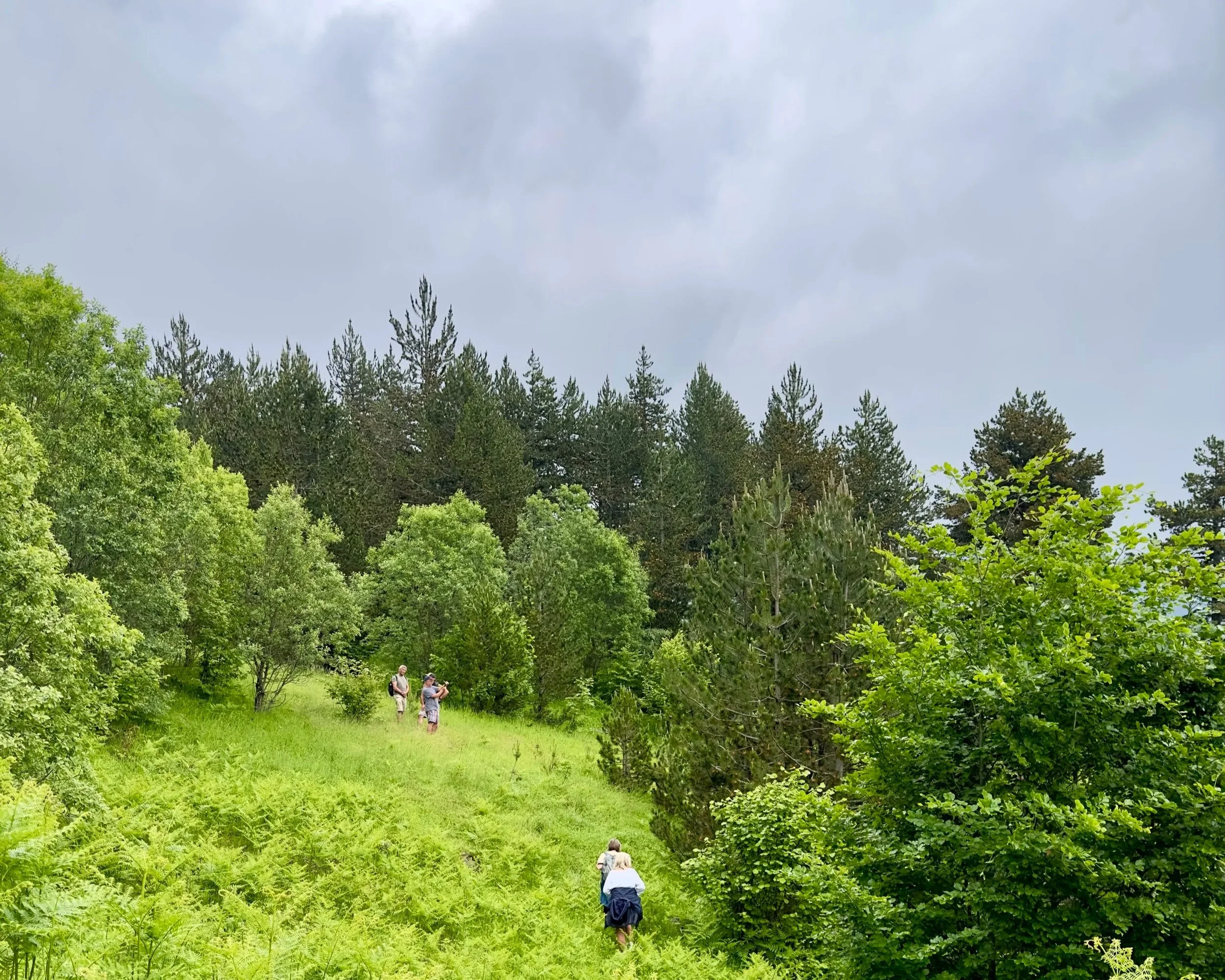

From Tirana’s bunkers and Lake Komani’s fjords to Kosovo’s monasteries and North Macedonia’s painted mosques, this Explore Travel route revealed a story of endurance and faith in the heart of the Balkans.