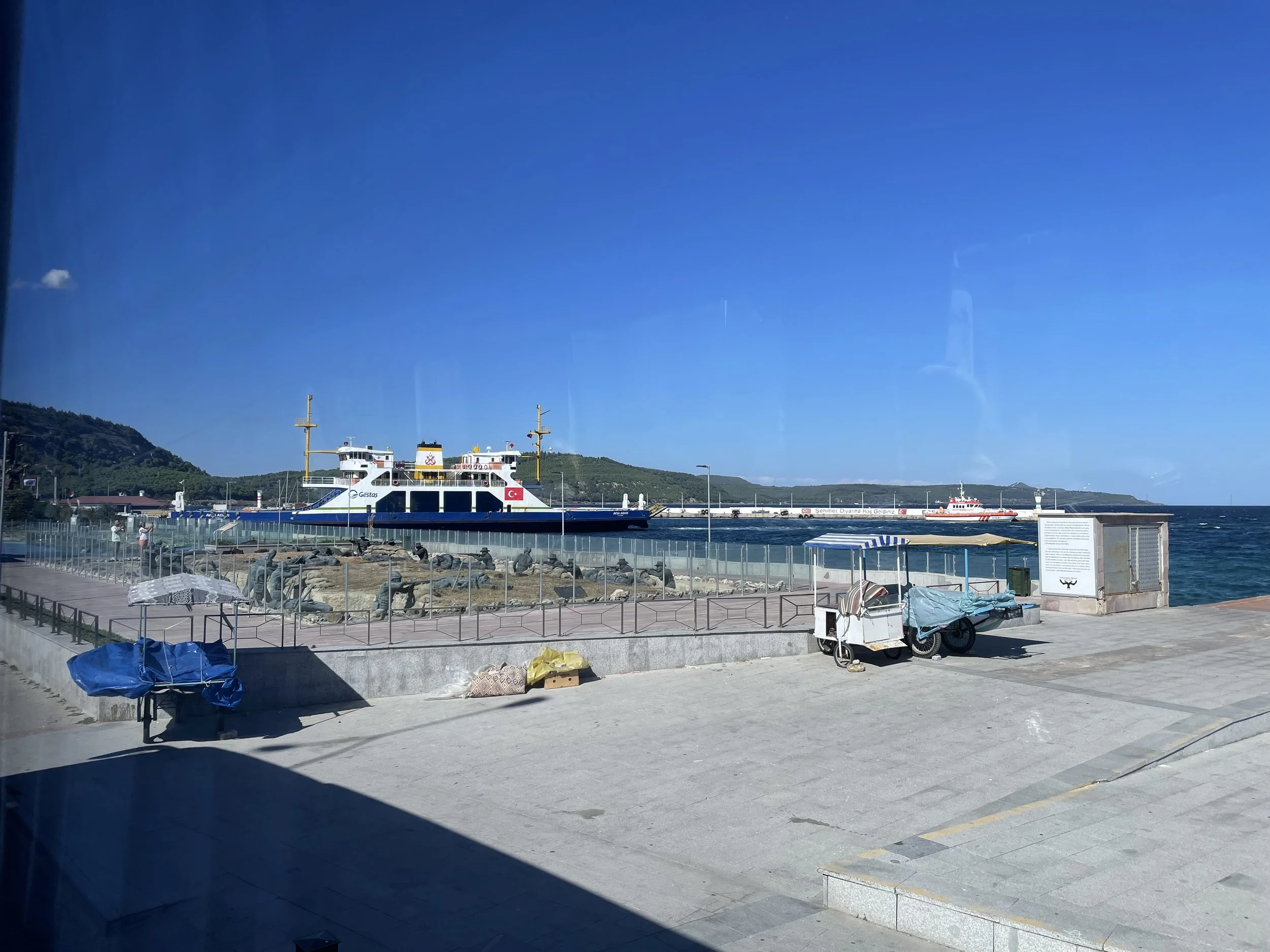
Gallipoli: Where History and Memory Meet
Gallipoli is a rugged stretch of Turkish coastline etched deep into world history. It’s where, in 1915, thousands of ANZAC troops—Australian and New Zealand soldiers—landed to fight one of the First World War’s most brutal and tragic campaigns. The battle lasted months, leaving scars on the land and in countless lives. Today, Gallipoli is a place of remembrance, sacrifice, and unexpected humanity, where visitors come to honour the past and feel the weight of history still alive in the wind and waves.
We began at Anzac Cove, where ANZAC troops landed on 25 April 1915. Despite the swarm of tour buses, the calm water and steep cliffs held a quiet power. The place felt timeless. Around me, some tourists carried a quiet intensity, this was more than a stop; it was deeply personal. You could sense the respect for what happened here. Standing there, you almost hear the desperate echoes of that first day when everything changed.
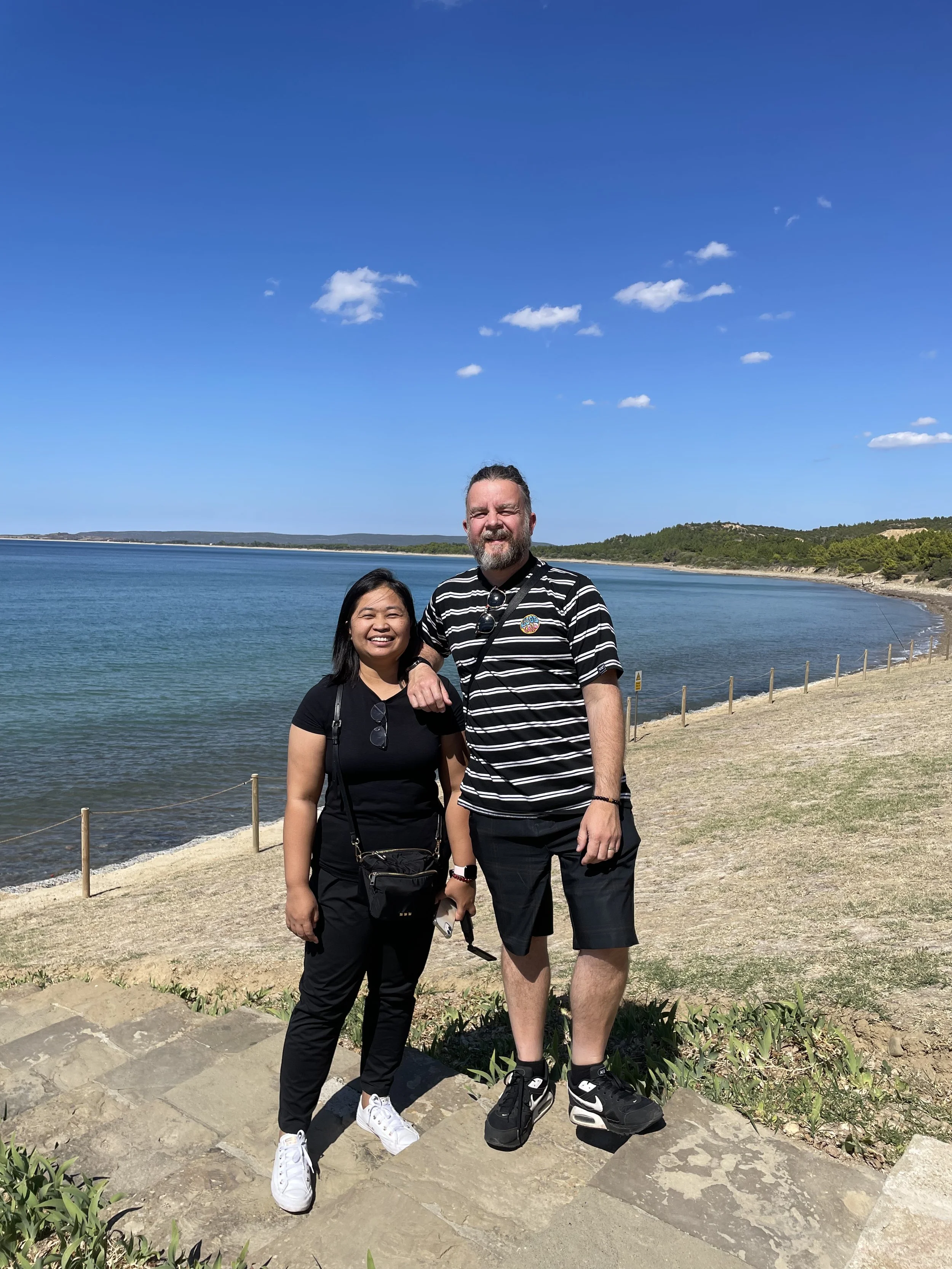
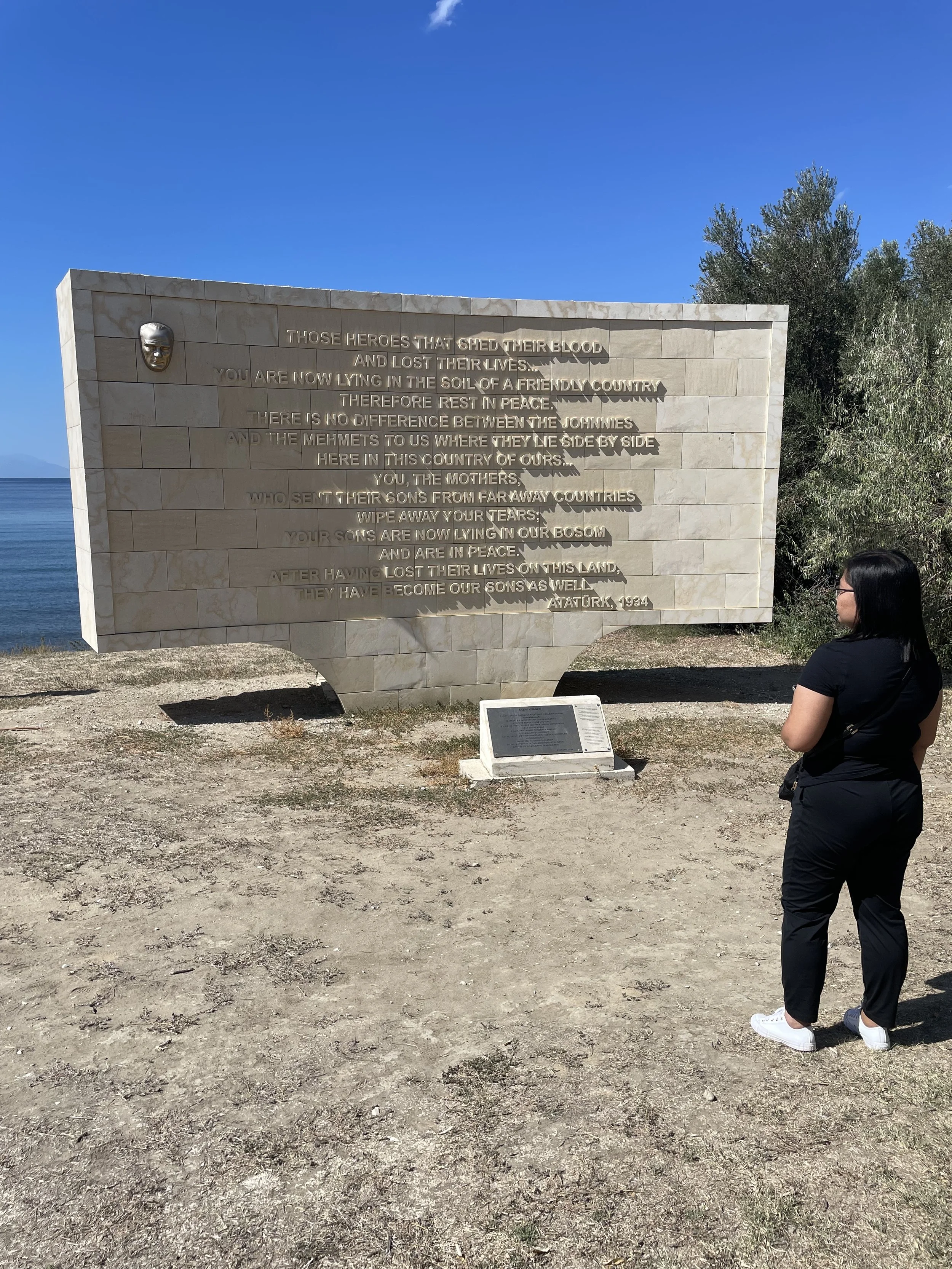
Next, we walked to Ari Burnu, a narrow headland where the first soldiers met fierce resistance. Known as Ari Burnu, it’s also called “Johnnies and Mehmets,” honouring ANZAC troops and Turkish soldiers alike. Nearby, the cemetery lay silent, rows of graves telling stories of sacrifice. A memorial bears a powerful inscription attributed to Mustafa Kemal Atatürk. Historians debate if he spoke these exact words, but the message captures shared sacrifice. Reading it, the weight of loss feels immediate. It is not just history; it is painfully present.
At Mehmetçik, the statue of a Turkish soldier carrying a wounded comrade stopped me cold. The “Respect to Mehmetçik Monument” captures raw compassion, no grand gestures, just a soldier risking everything to save his friend. Mehmetçik is the affectionate nickname for an average Turkish soldier, like calling a British soldier “Tommy.” The monument stands near trenches where fierce battles unfolded, surrounded by wild thyme and pine. The scents carry echoes of desperate days. Nearby, remnants of trenches and tunnels remind you of close-quarter combat and harsh conditions. Walking those worn paths, history presses in, mud, sweat, fear and determination mixed in the same soil.
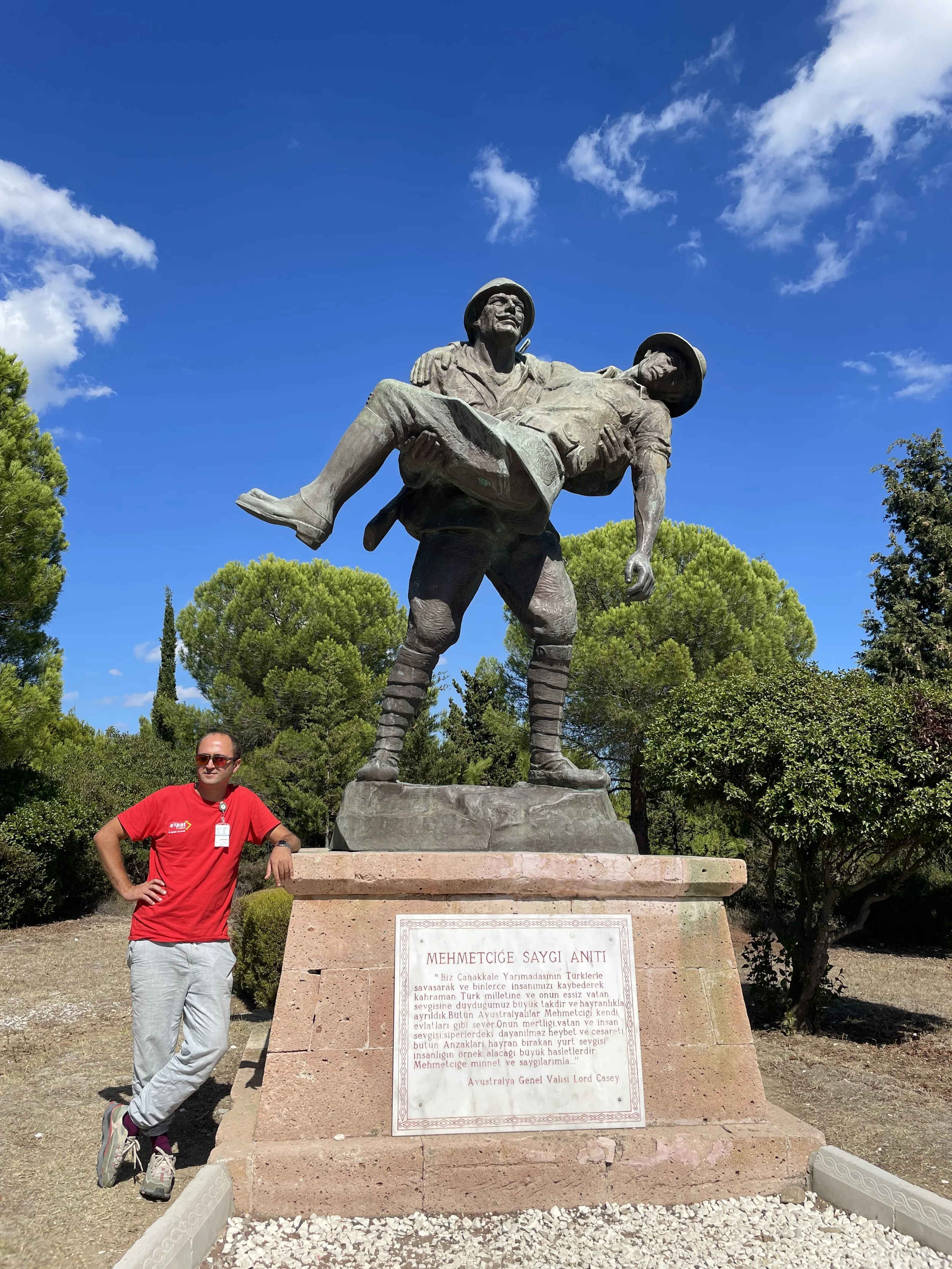
A quirky fact, local legend says Turkish soldiers shared cigarettes and tea with ANZAC prisoners during rare moments of calm. Small acts like these bring strange humanity to a brutal battlefield. Mehmetçik honours not just loss, but the brotherhood forged in fire and blood. The statue stays with you long after you leave.
Lone Pine was next, site of one of the campaign’s bloodiest battles. Soldiers clawed for every inch in muddy trenches under relentless bombardment. The original lone pine was destroyed early in the fighting, but its name endures. Today, a Turkish pine stands in its place, a quiet sentinel amid graves and memorials. That tree feels like a heartbeat, stubborn and alive, refusing to be forgotten. It is a symbol of endurance and sacrifice. Around it, rows of white headstones mark thousands of stories woven into the soil.
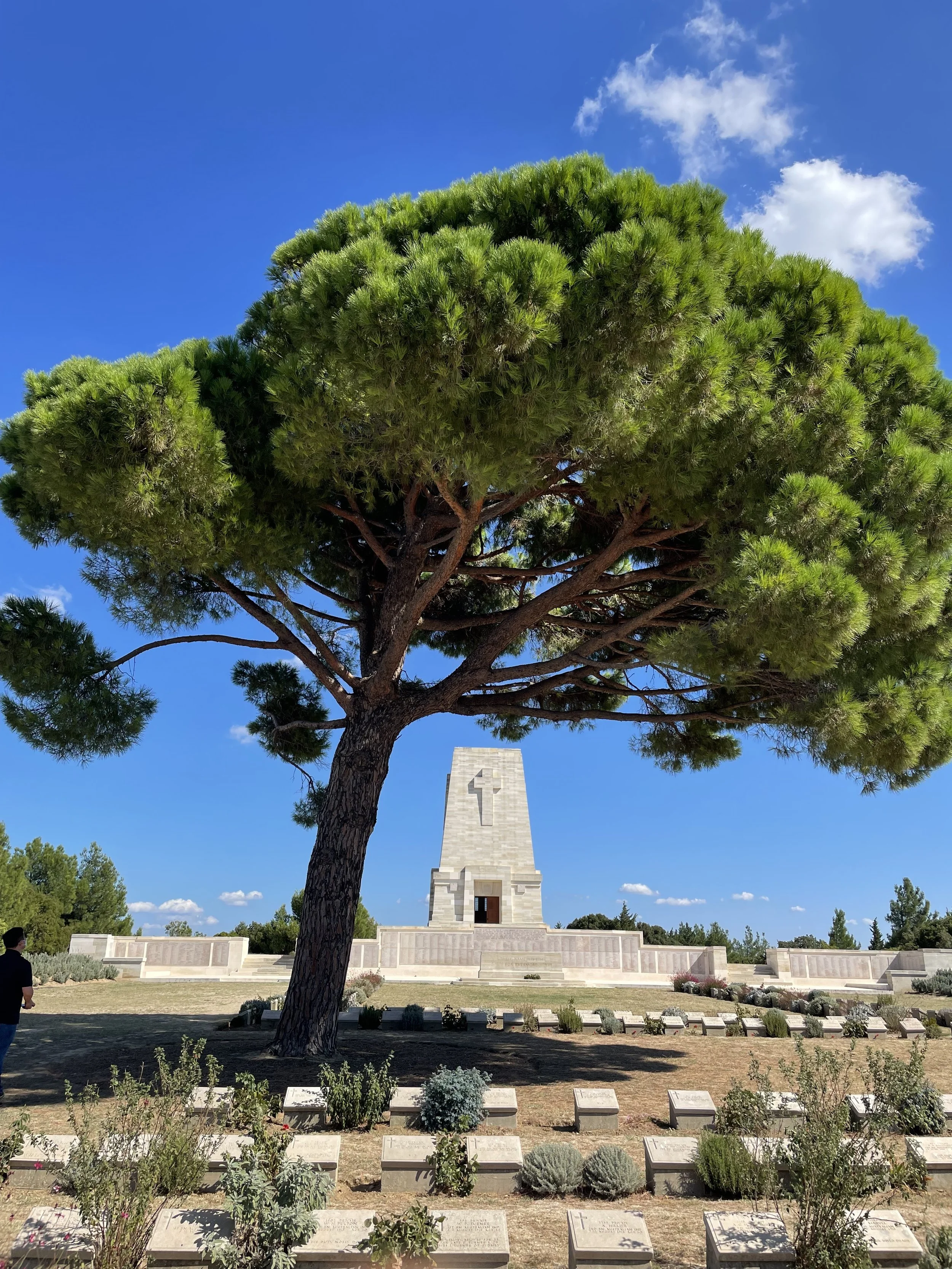
Lone Pine holds a unique place in Gallipoli’s story. Australian and New Zealand troops fought alongside Turkish soldiers with brutal determination, creating a tragic bond between former foes. The battlefield hums with that history, a reminder that even in war, humanity lingers. Scattered trenches and shell craters scar the land, but wildflowers push through the earth, and pine needles whisper in the breeze.
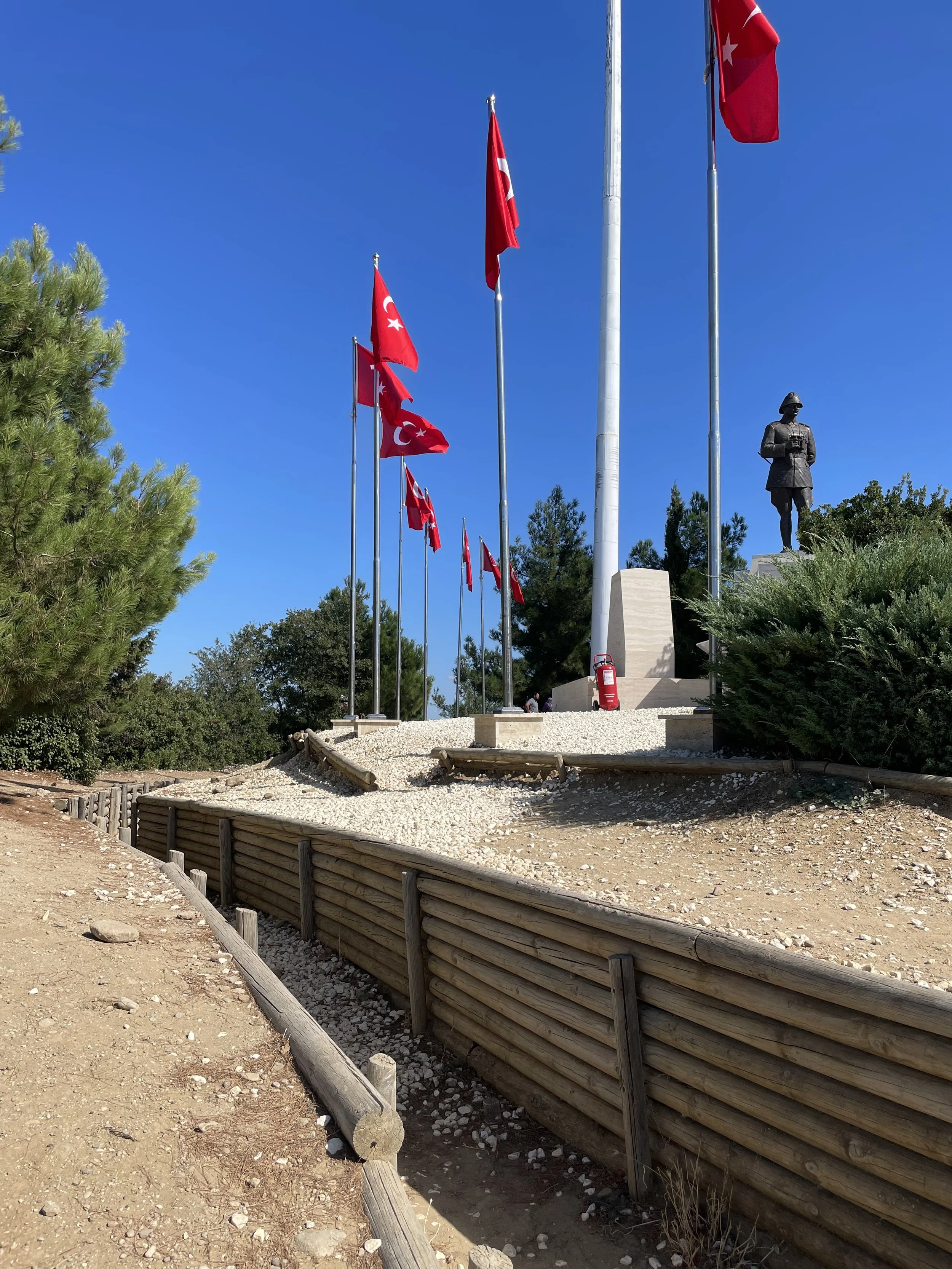
Nearby, Mustafa Kemal Atatürk’s statue stands proud, the Turkish flag fluttering behind him. The figure commands with quiet strength, a reminder of the man who led his country through dark hours. Around its base, deep trenches tell a harsher story. Cramped, cold, unforgiving, carved by soldiers who lived and fought in unbearable conditions. Walking those narrow passages, you glimpse war’s brutal reality. The silence feels heavy with memory and sacrifice.
Visiting Gallipoli is more than walking a battlefield. It’s stepping into a story of courage, loss, and unexpected humanity. The land holds echoes that reach beyond history books, inviting you to remember, reflect, and carry these lessons forward. When you leave, the silence stays with you, a reminder that some sacrifices shape the world forever.
We ended the day crossing the Dardanelles by ferry to Çanakkale. The water stretched wide and calm beneath us, a quiet contrast to the violence once fought here. Sitting on deck, the past settled around me, carried on the breeze and waves. Some stories never fade.