
Tracing the Moors Back Across the Strait
This was part of our two-week Explore tour through Portugal, Spain, and Morocco. It turned out to tell a story we had not expected.
Portugal, Spain, and Morocco; a route that seemed scattered at first until history tied the dots together.
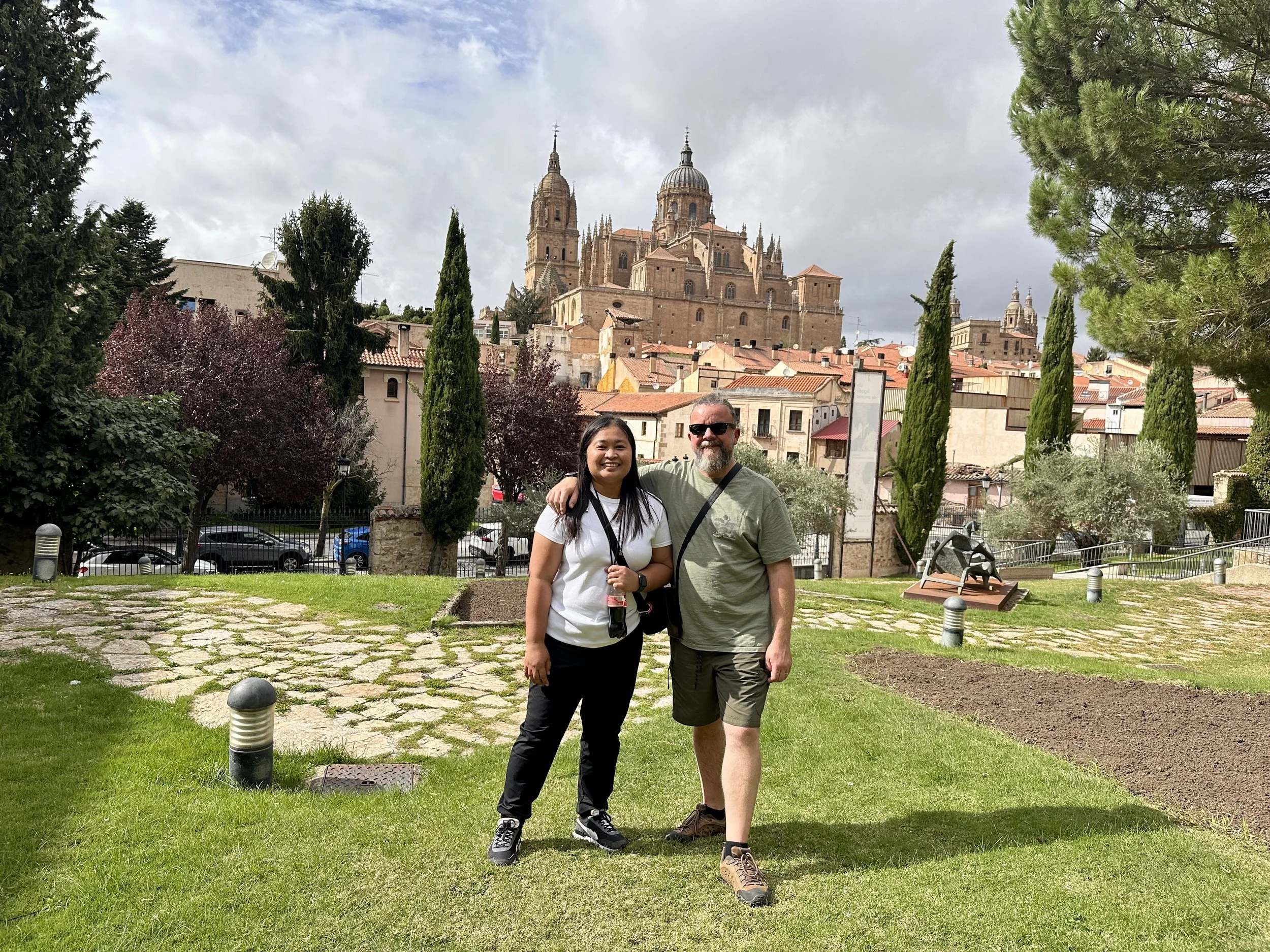
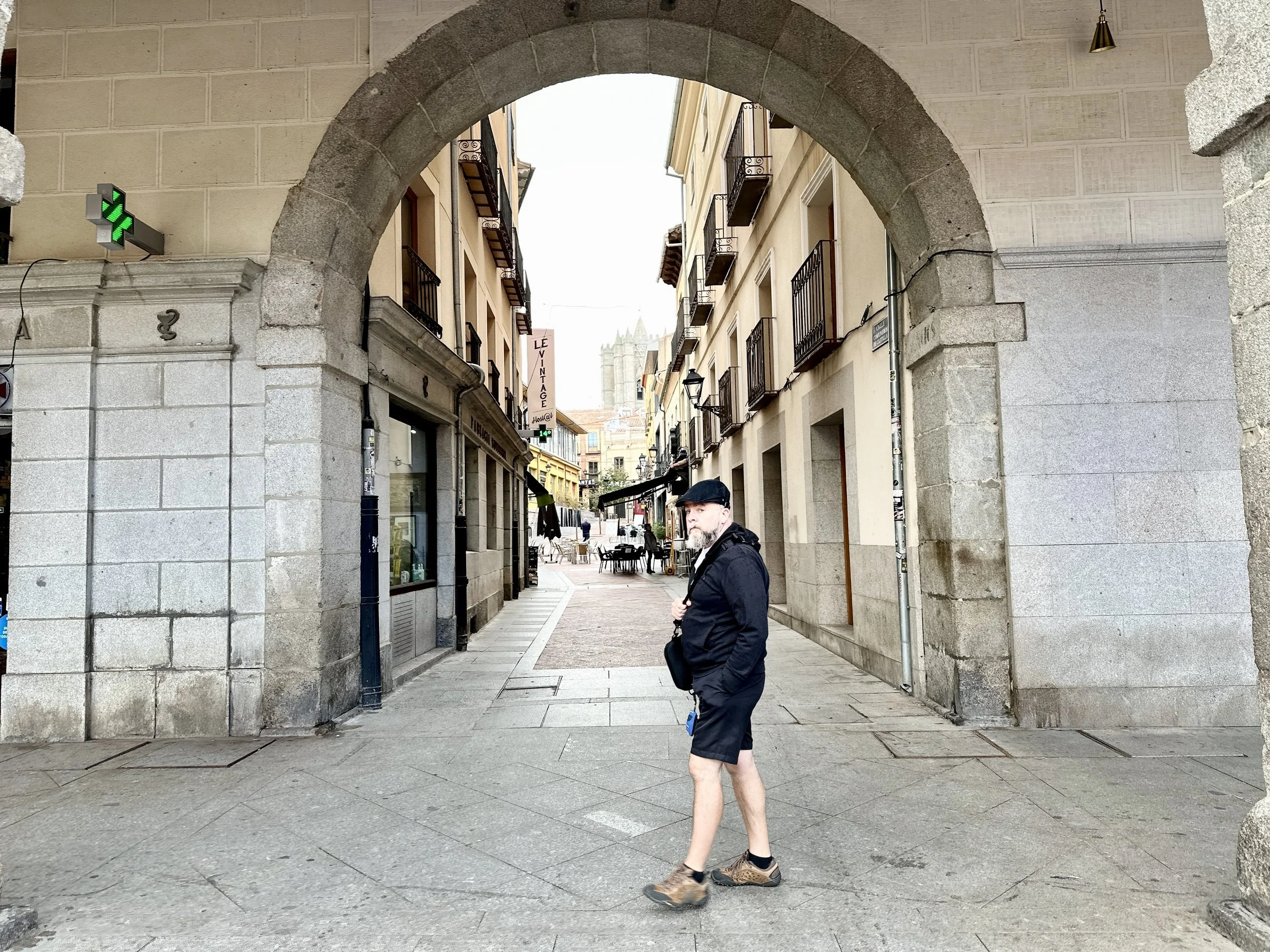
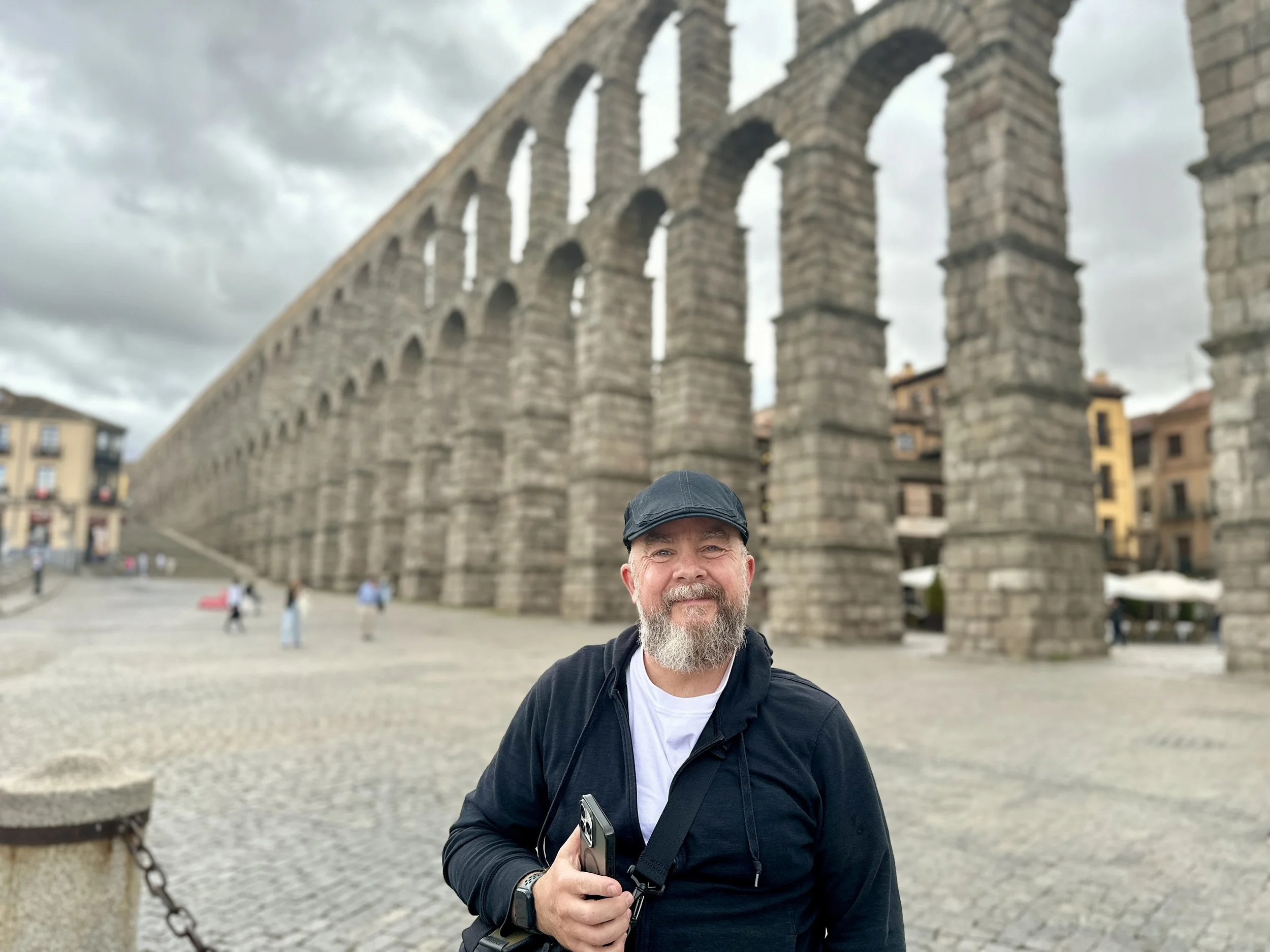
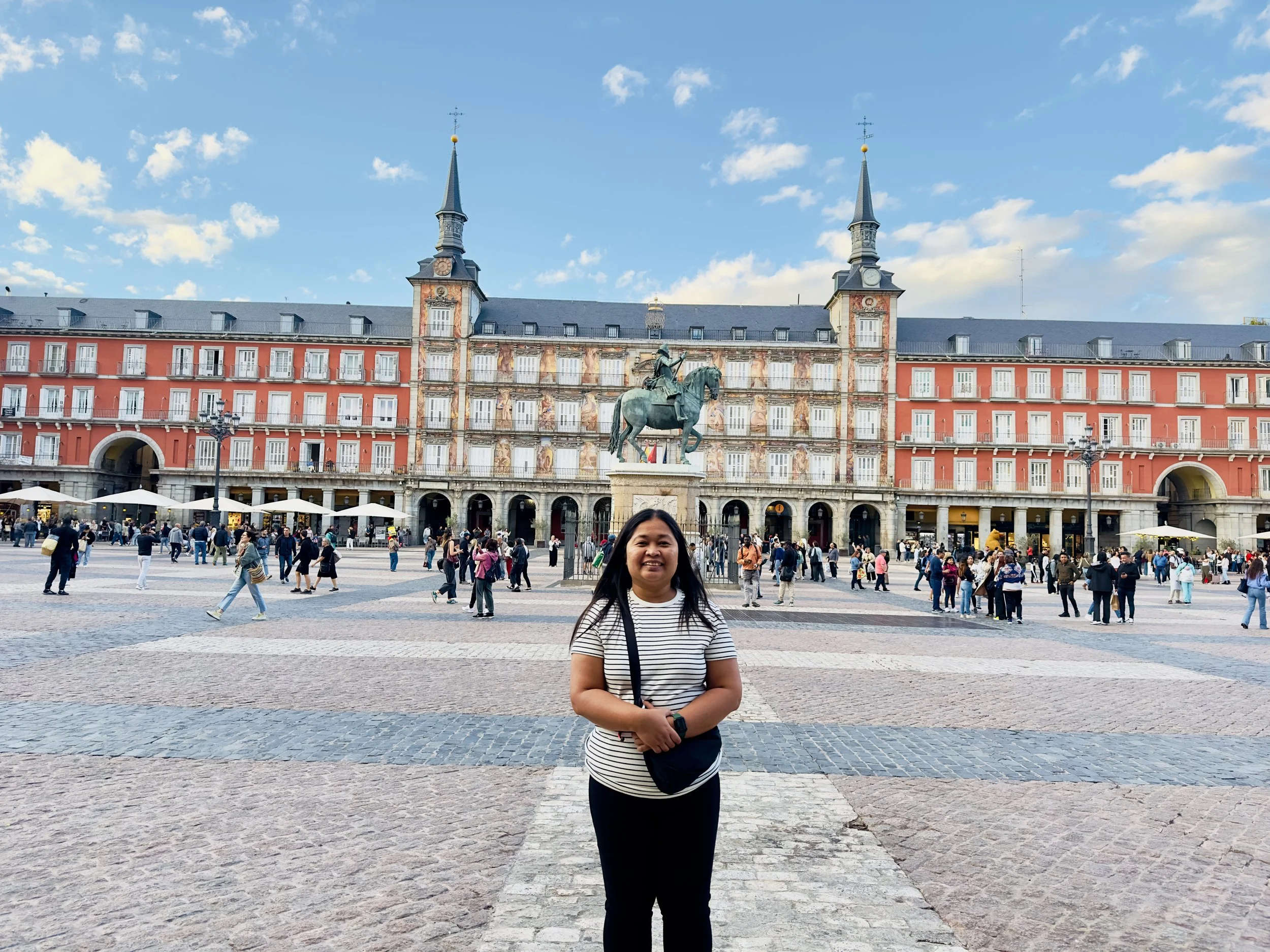
When we first saw the itinerary, our only thought was how much ground we would cover. Lisbon, Óbidos, Nazaré, Porto, Salamanca, Ávila, Segovia, Madrid, Córdoba, Seville, Jerez de la Frontera, Tarifa, Tangier, Chefchaouen, Fez, Marrakesh; all in two weeks. It would be hectic but immersive, the perfect way to tick off most of the places we had long wanted to see in these three countries. So we booked it. Simple as that.
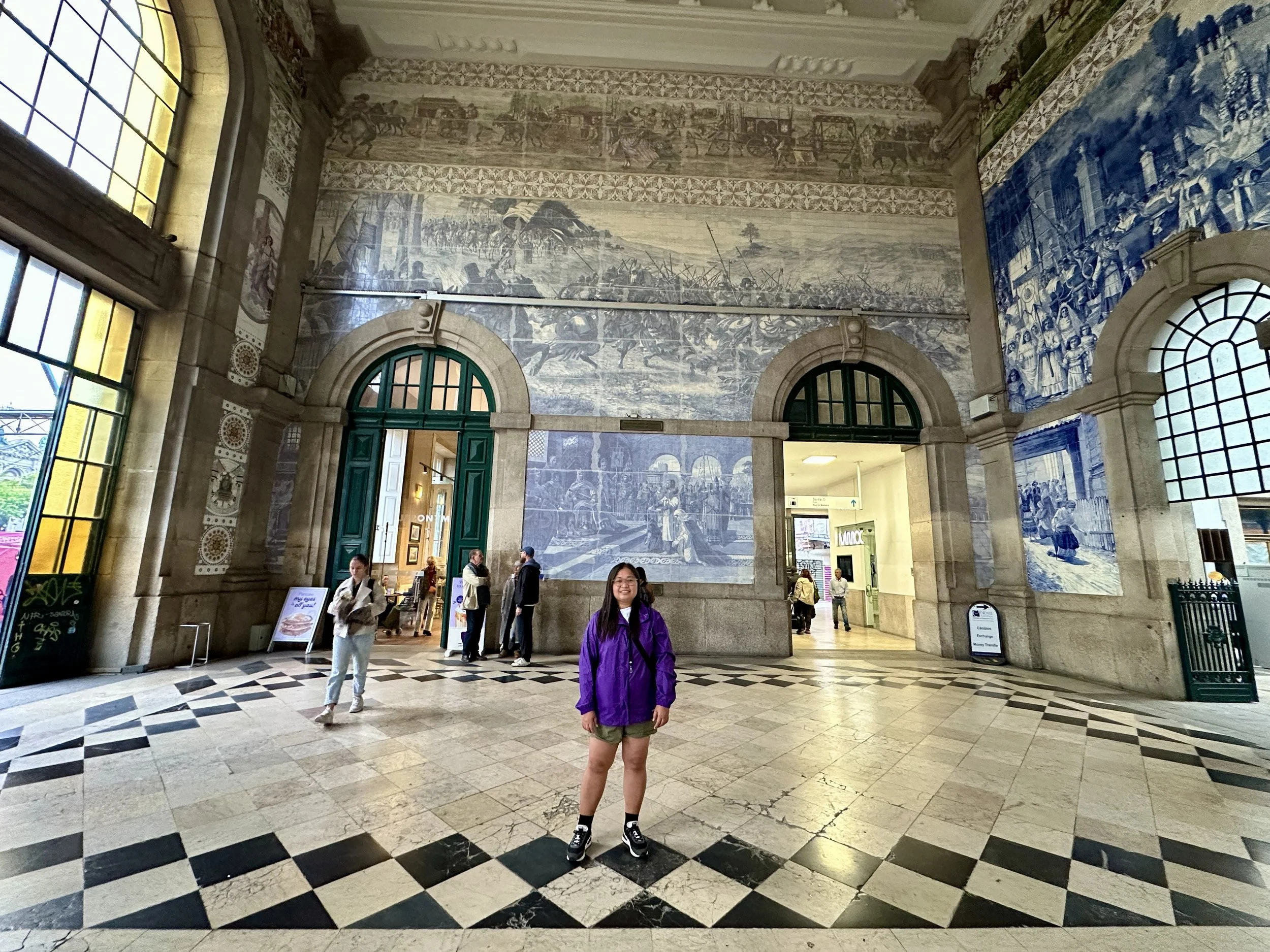
The connection between Portugal, Spain, and Morocco never crossed our minds until we were in Lisbon, staring at a wall of blue tiles. Our tour leader mentioned the Reconquista, explaining how the intricate azulejos were inspired by Moorish art from centuries of Muslim rule in Iberia. That was the first time the thread appeared. By the time we crossed from Tarifa to Tangier, we realised this was not just a fast-paced sightseeing trip. It was a story told in reverse, the journey of the Moors tracing their path back across the Strait of Gibraltar.
Portugal: the beginning of the end
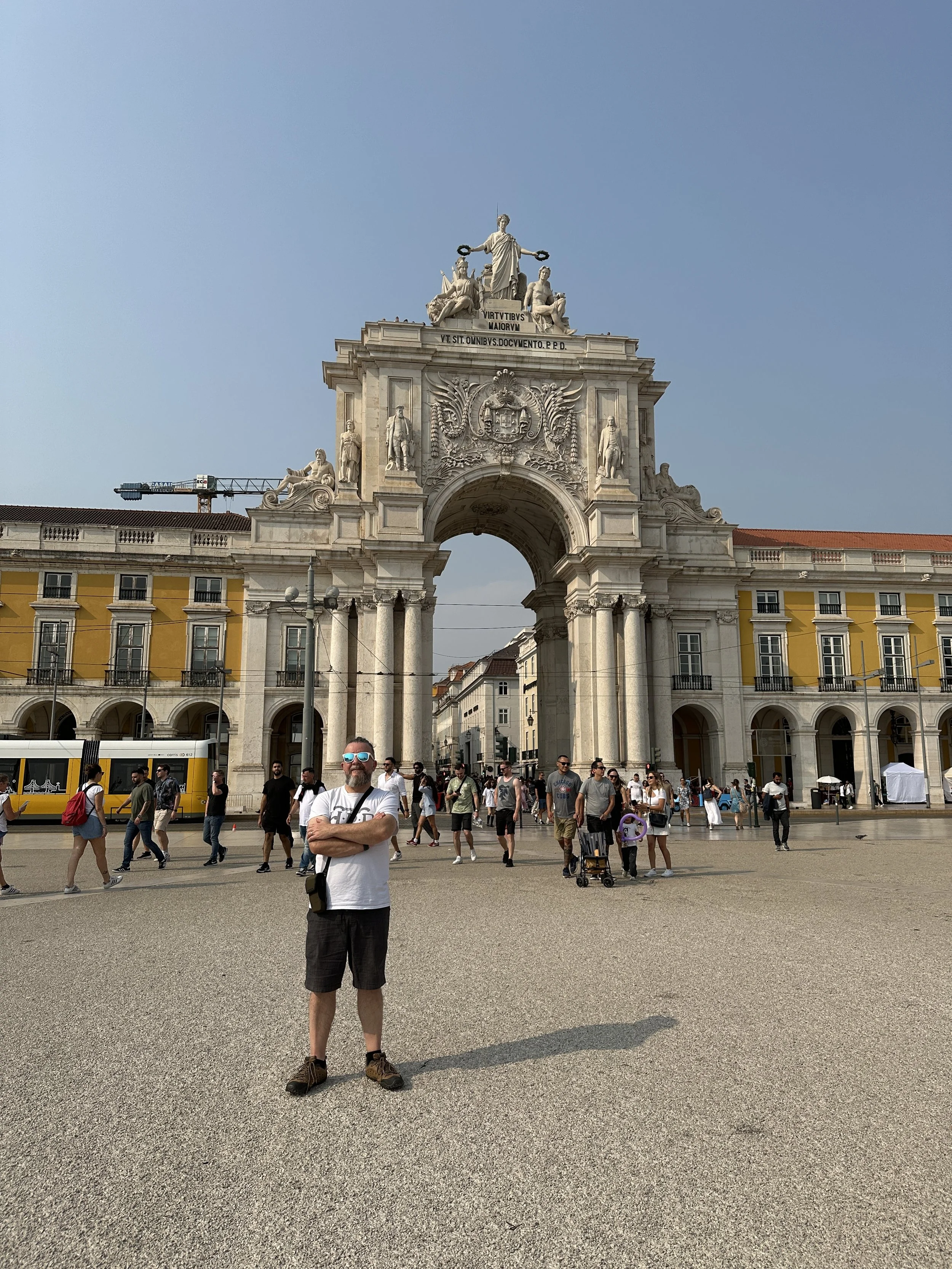
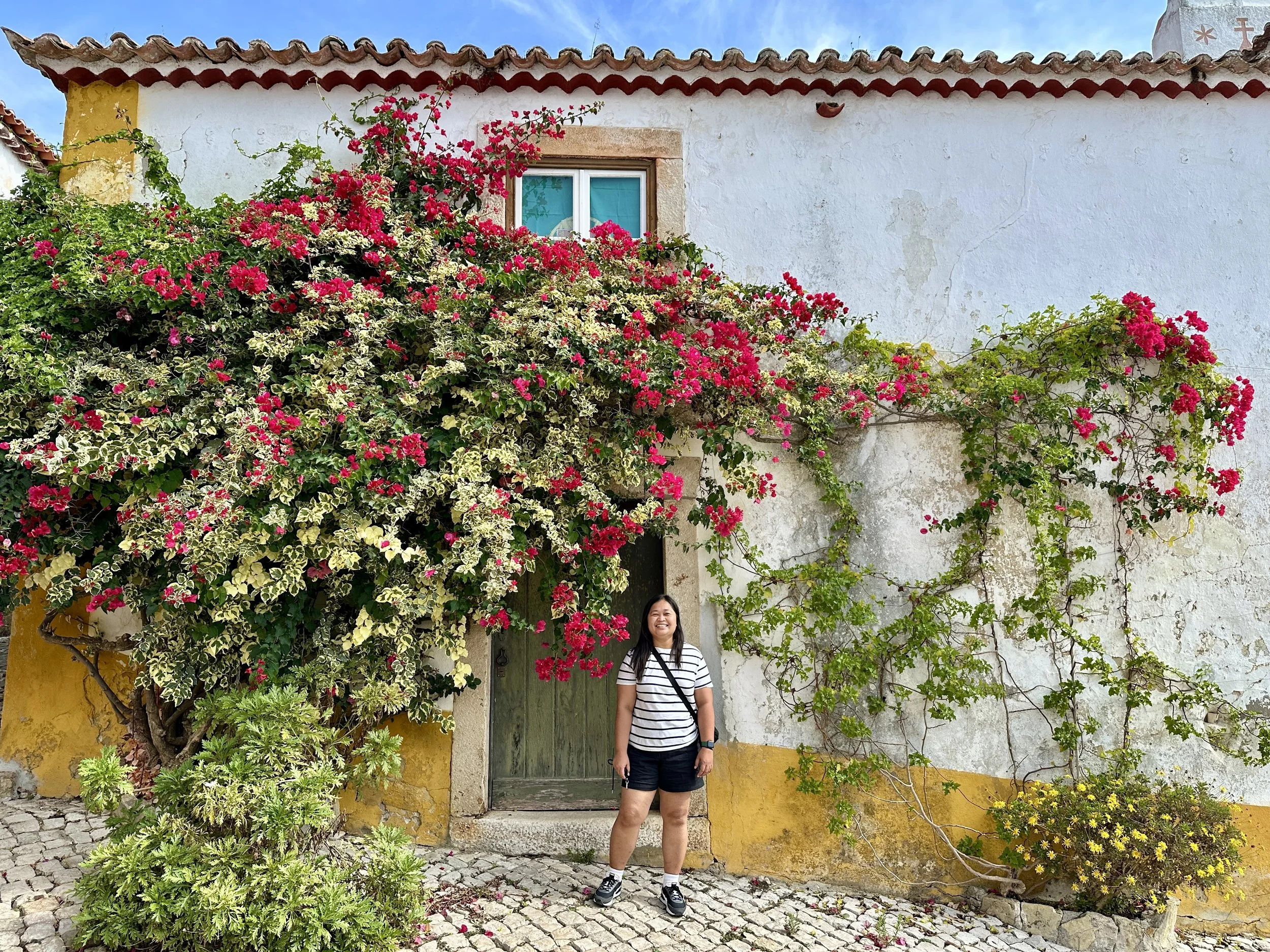
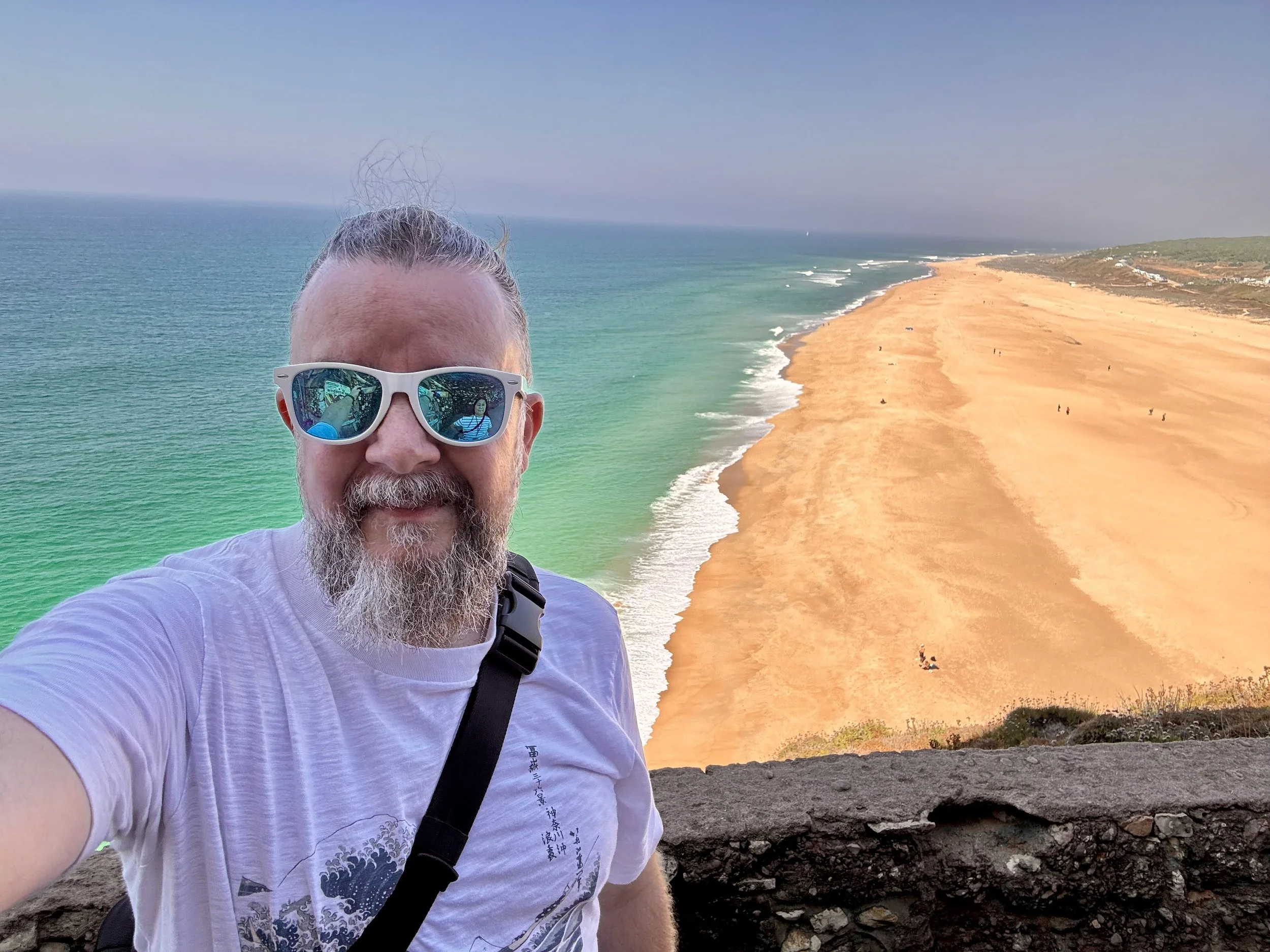
Lisbon, Óbidos, Nazaré, Porto; beautiful, yes, but all carrying the ghosts of the Reconquista. These were the places where Christian forces pushed south, slowly reclaiming land from the Moors. In the old quarters, the azulejos still tell stories borrowed from Arabic design. The past is not gone; it is glazed into the walls.
Andalusia: the last light of Al-Andalus
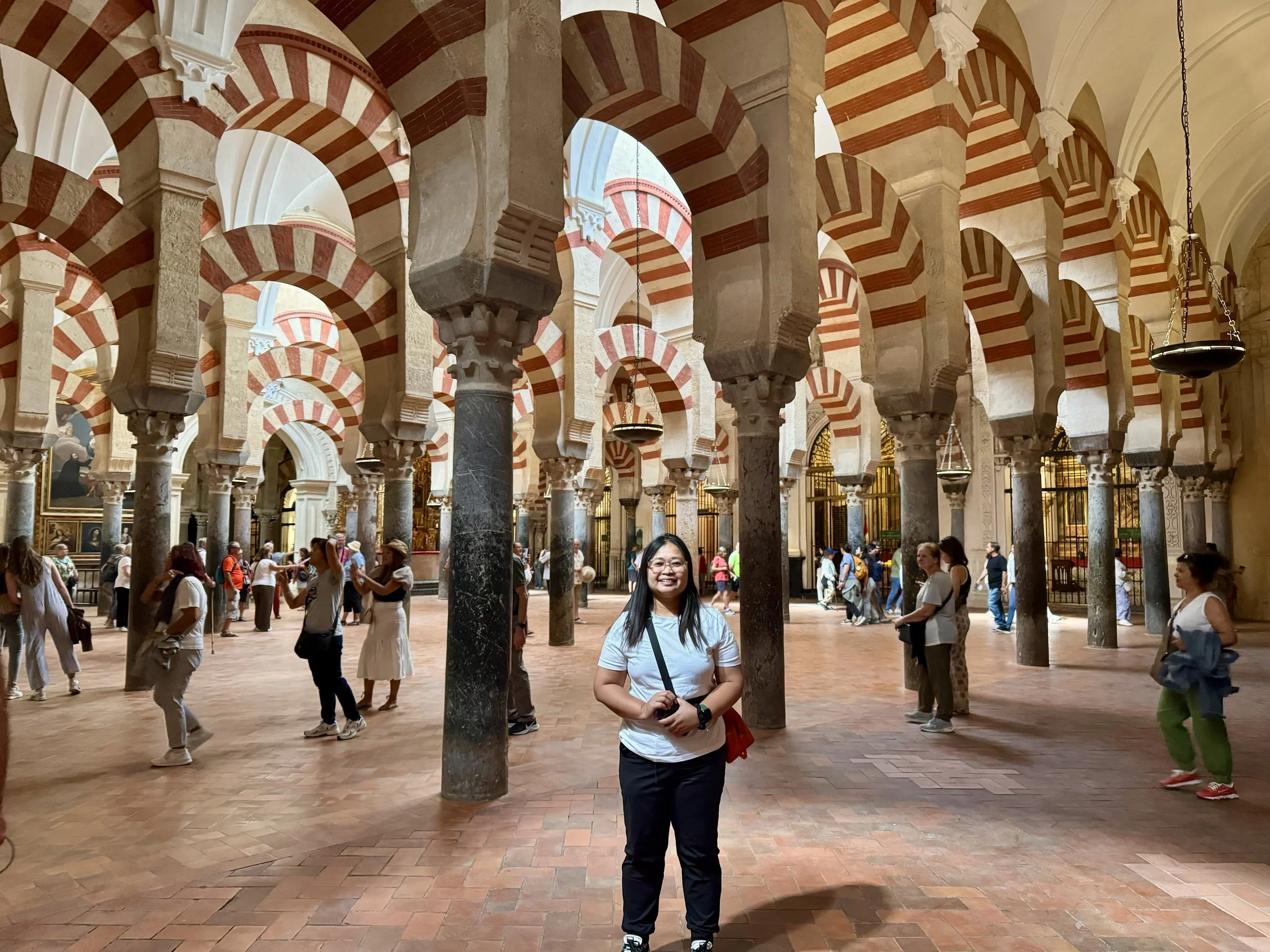
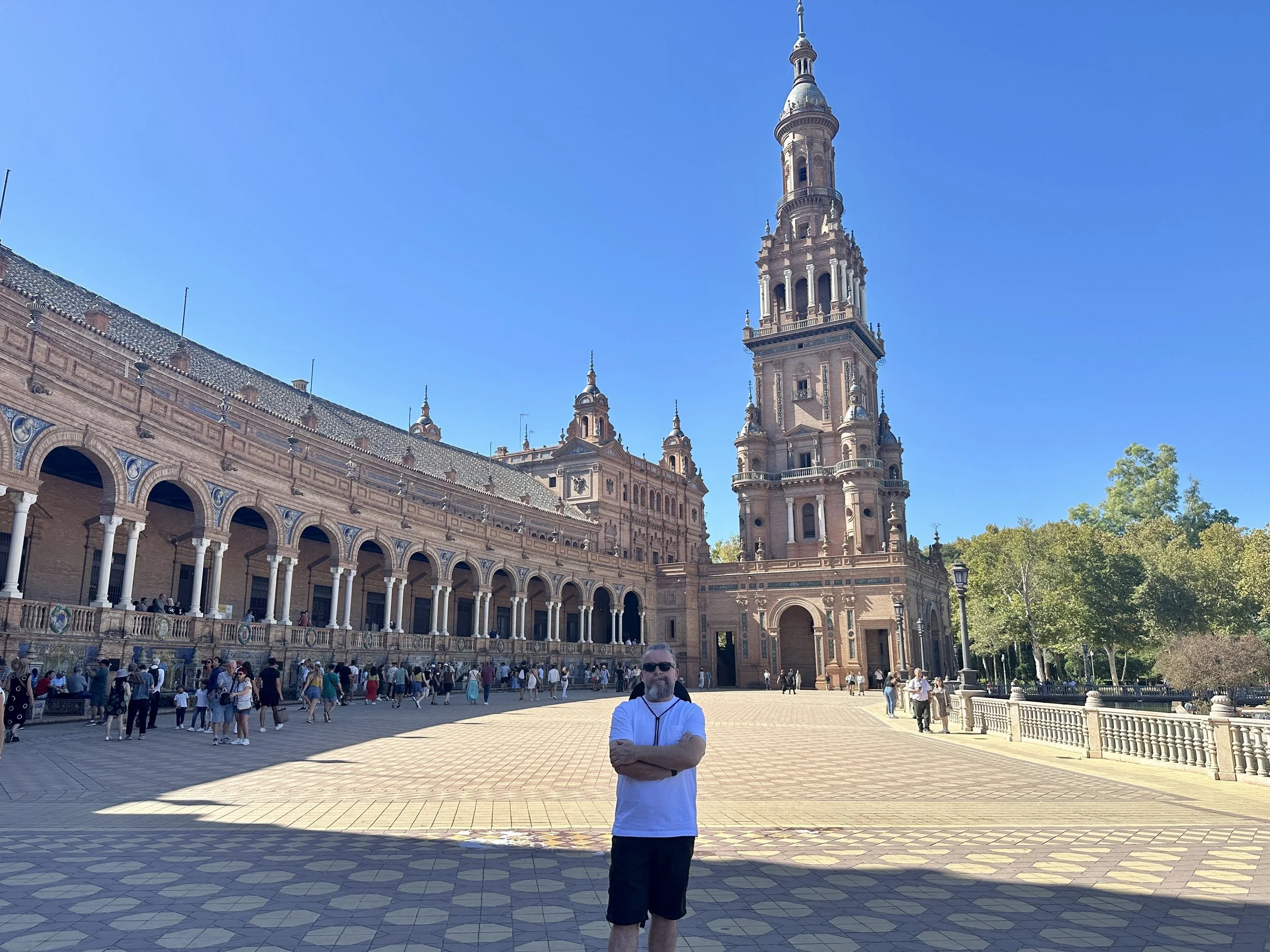
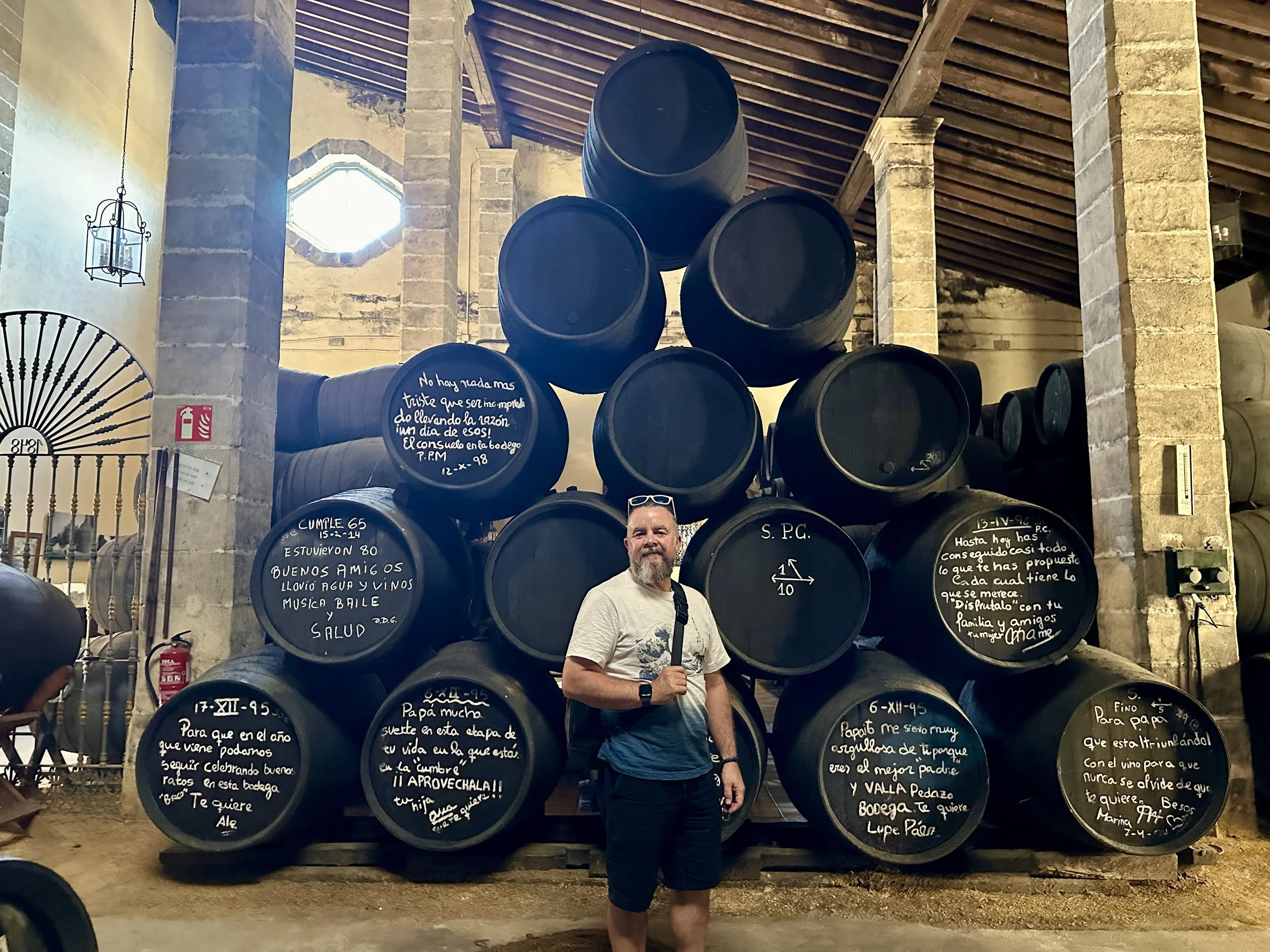
Córdoba, Seville, Jerez de la Frontera; the final bloom before the fall. In Córdoba’s Mezquita, the forest of horseshoe arches still glows red and white. In Seville’s Alcázar, courtyards and fountains mirror the palaces of Fez. Even the music here, the soul of flamenco, carries echoes of North Africa.
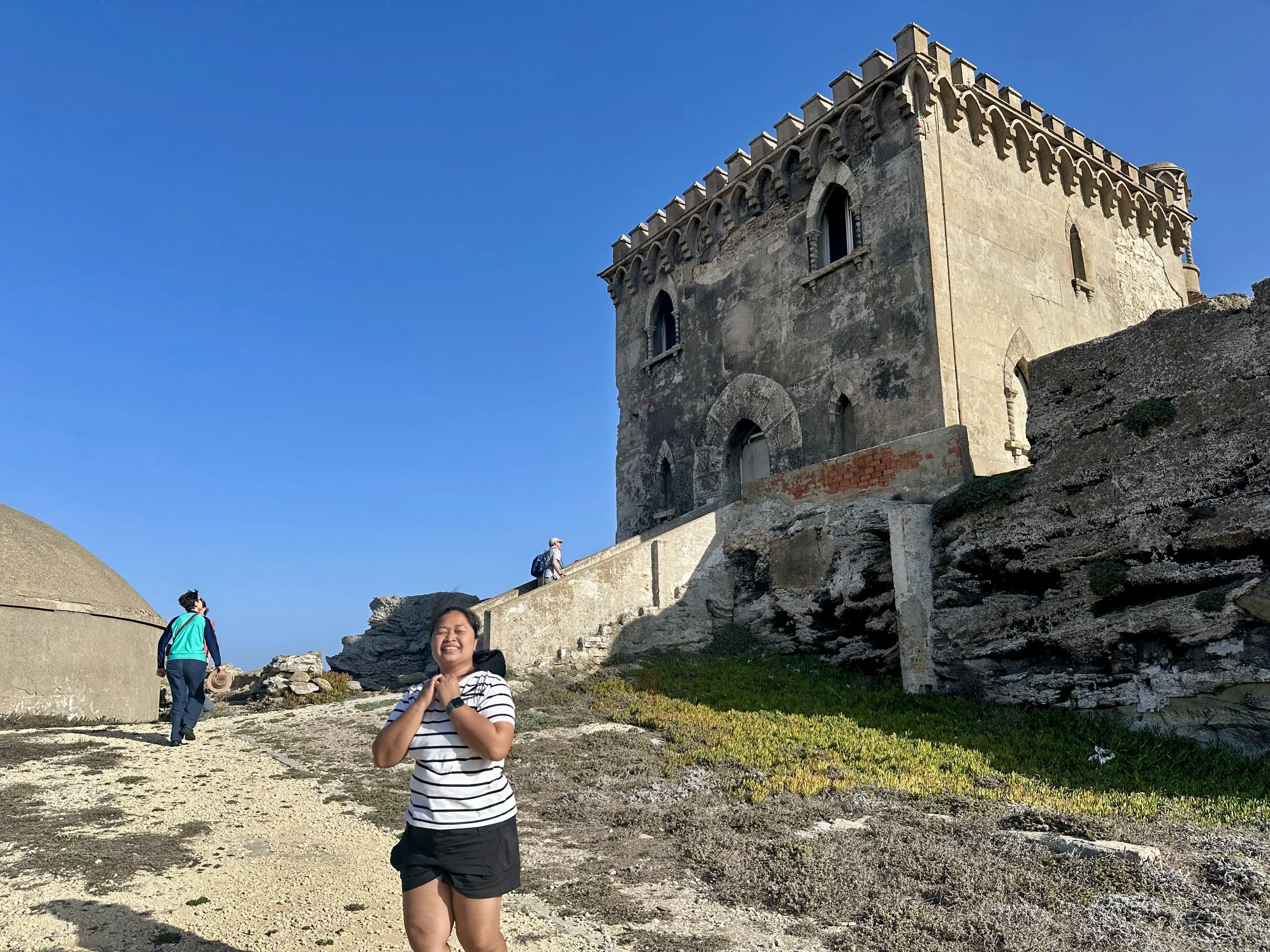
Then there is Tarifa, the last European step. The town takes its name from Tarif ibn Malik, the Berber commander who first landed here in 710. The journey comes full circle at the edge of the continent.
Morocco: homecoming
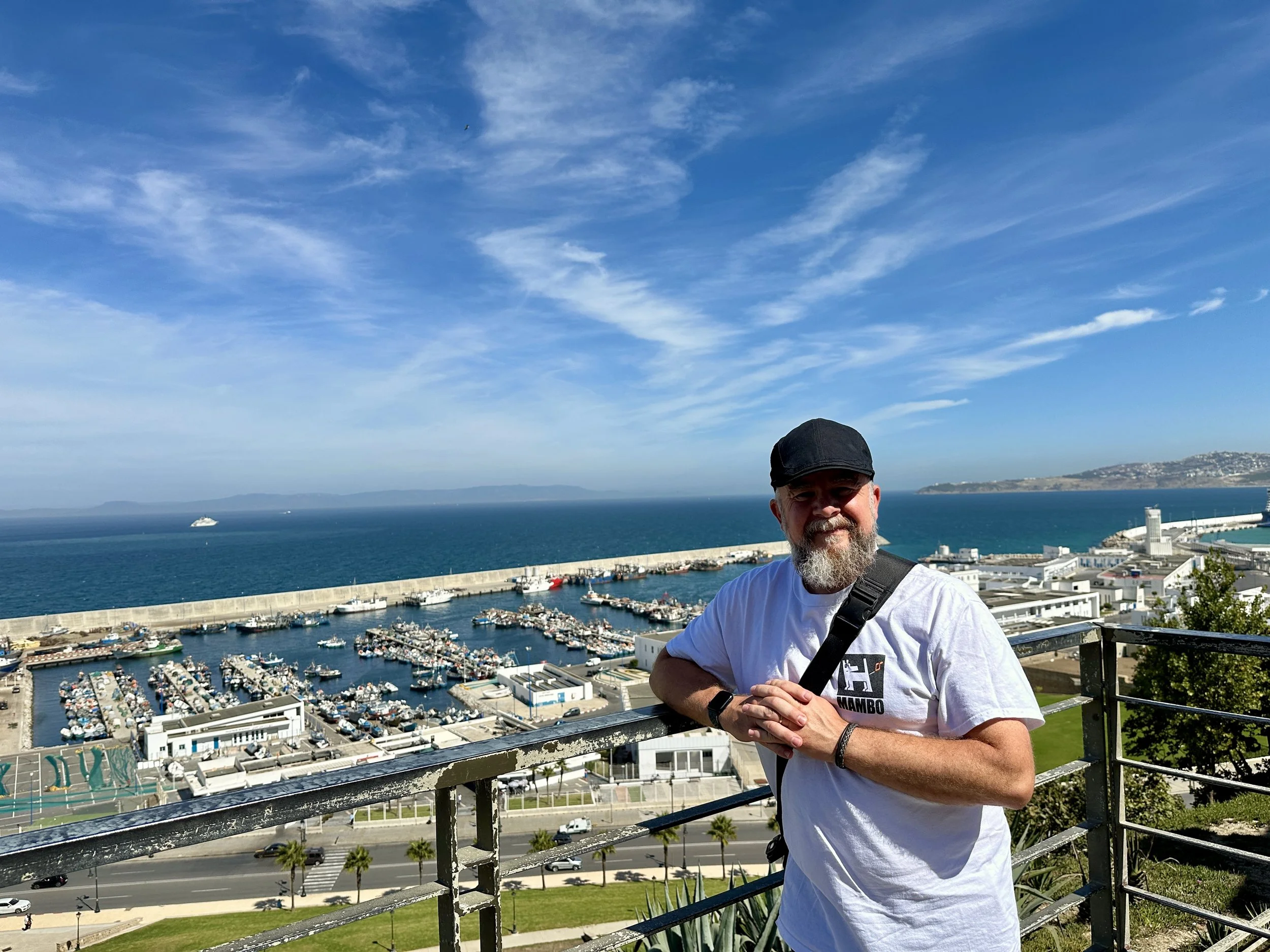
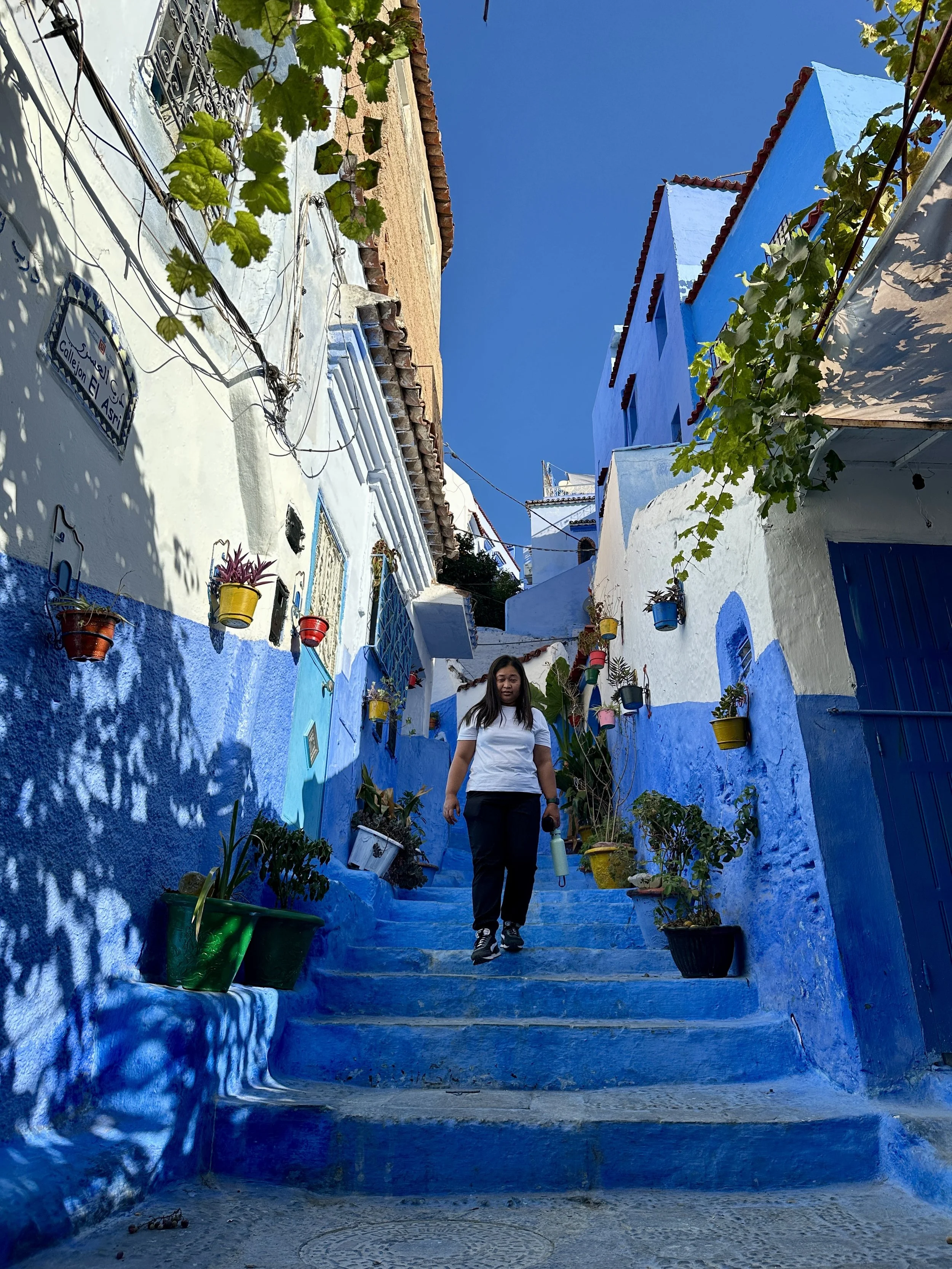
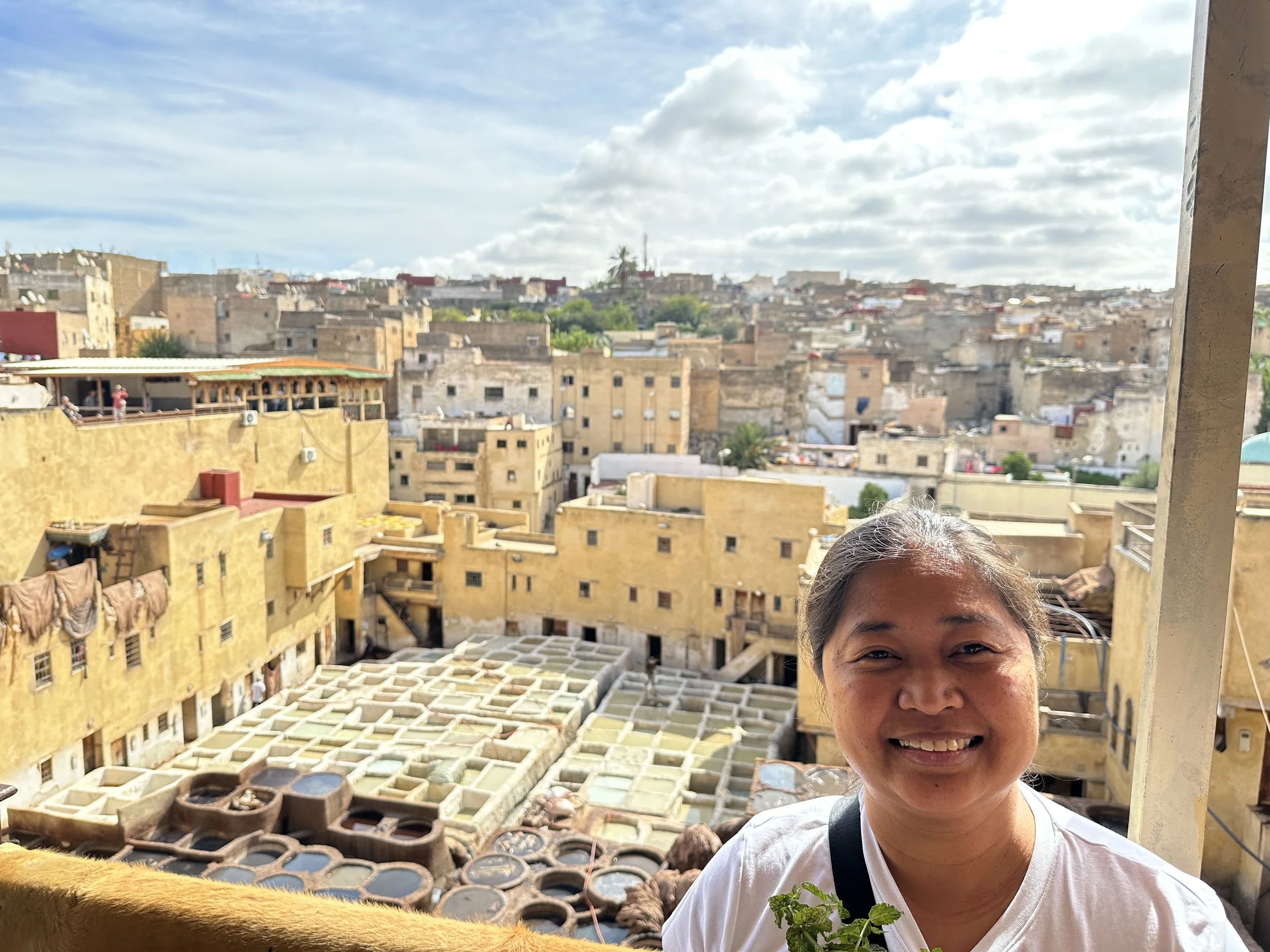
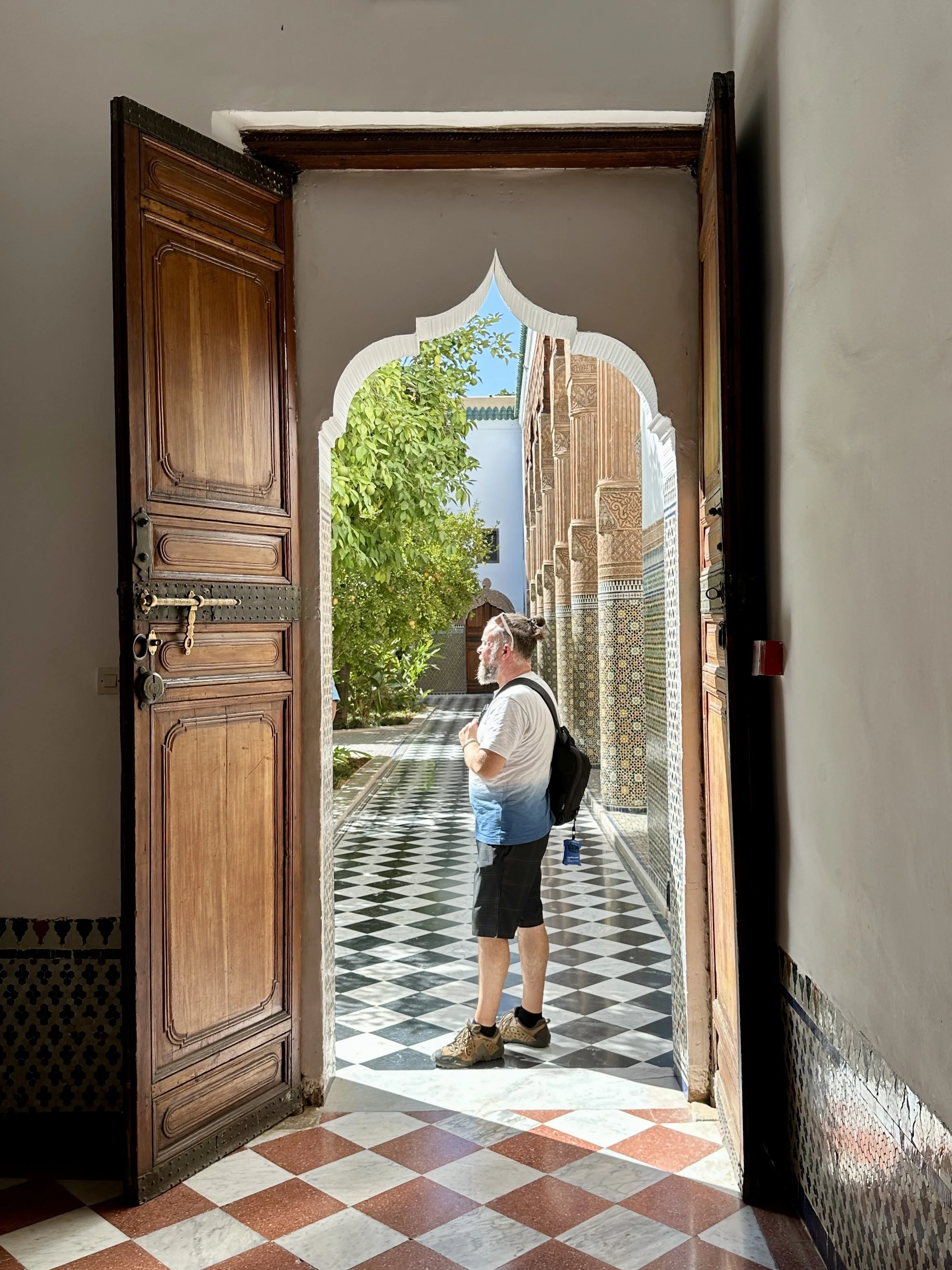
We took the ferry from Tarifa across the Strait to Tangier. Just 60 minutes, but it felt like centuries. The sea was calm, the horizon a thin blue thread between two worlds. On the African side, Tangier unfolded in white and turquoise. The medina hummed with calligraphy and the scent of mint tea. In Chefchaouen’s blue alleys and Fez’s ancient souks, the same Moorish geometry reappeared as if time itself had folded. Many who fled Iberia after 1492 built new lives here. The past did not end; it simply changed shores.
The thread that ties it all
Explore’s route was not random. It was deliberate, even poetic. Every stop was part of one long historical loop; the rise, retreat, and return of Al-Andalus. It was not just a journey through countries, but through the shared memory of three civilisations.
Between stops
That short ferry from Tarifa to Tangier might have been the simplest part of the trip, but it carried the most weight. One moment we were in Europe, the next in Africa; yet the architecture, the faces, the rhythm of daily life all felt connected. Standing on deck, wind cutting across the Strait, it struck me that history does not separate continents. It binds them.
Author’s note
This journey was part of Explore!’s Highlights of Spain, Portugal & Morocco tour, which has since been discontinued. The route lives on here as a record of how history and geography intertwined on one unforgettable two-week loop across three countries.
