
The Undiscovered Balkans: Between Faith and the Mountains
This was part of our Explore tour through Albania, Kosovo, and North Macedonia. It looked, at first glance, like a trip through three small, lesser-known countries on Europe’s edge. But the route turned out to tell a bigger story — not of conquest or empire, but of resilience.
Albania, Kosovo, and North Macedonia: a route that seemed random until the mountains, monasteries, and mosques tied it all together.
When we saw the itinerary, our only thought was how much hiking and border-crossing we’d do. Tirana, Krujë, Shkodër, Lake Komani, Valbonë Valley, Peja, Rugova Gorge, Lake Leqinat, Pristina, Prizren, Velika Hoča, the Big Pine Trail, Tetovo, Skopje, Matka Canyon, Ohrid, Saint Naum — a wild circuit through three nations still finding their feet. It sounded rugged, remote, and perfect. So we booked it.
We didn’t know then that it would trace a quieter story: how the Balkans, scarred by history, have learned not just to survive, but to coexist.
Albania: Out of the Shadows
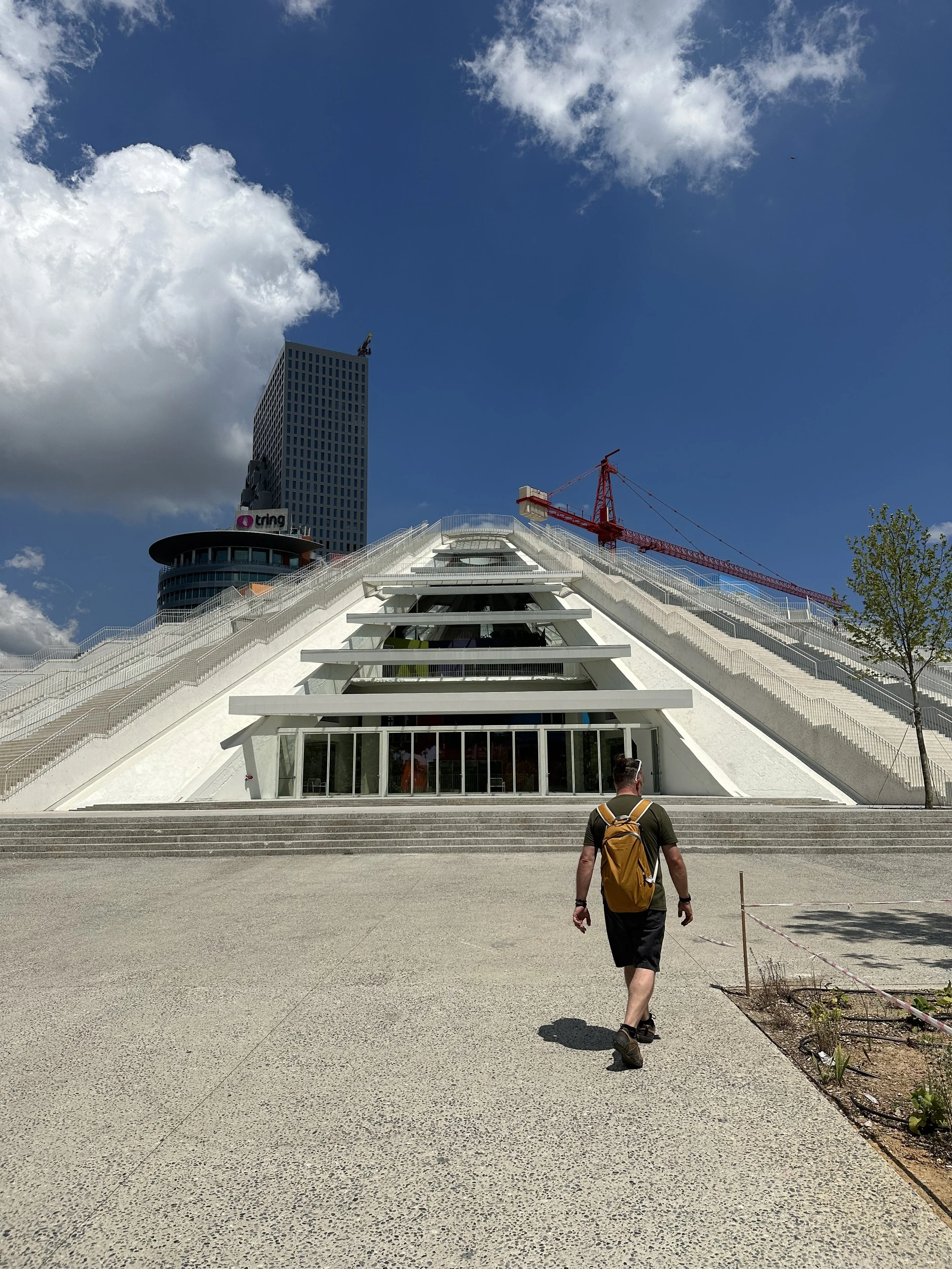
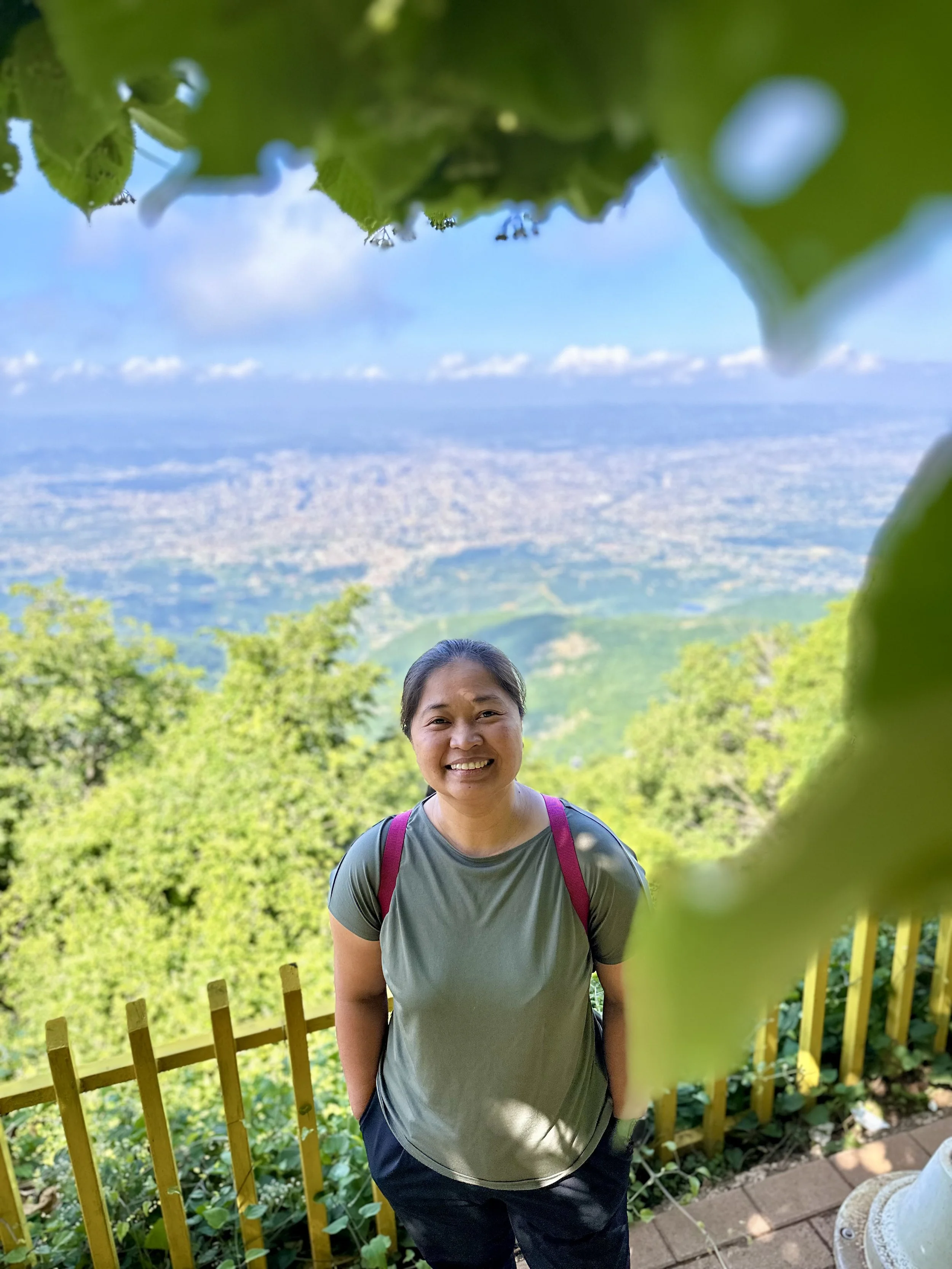
We began in Tirana, where the scars of dictatorship still cling to concrete, now painted in bright colour. From Mount Dajti, the city looked restless but alive, a capital rebuilding itself with optimism and espresso.
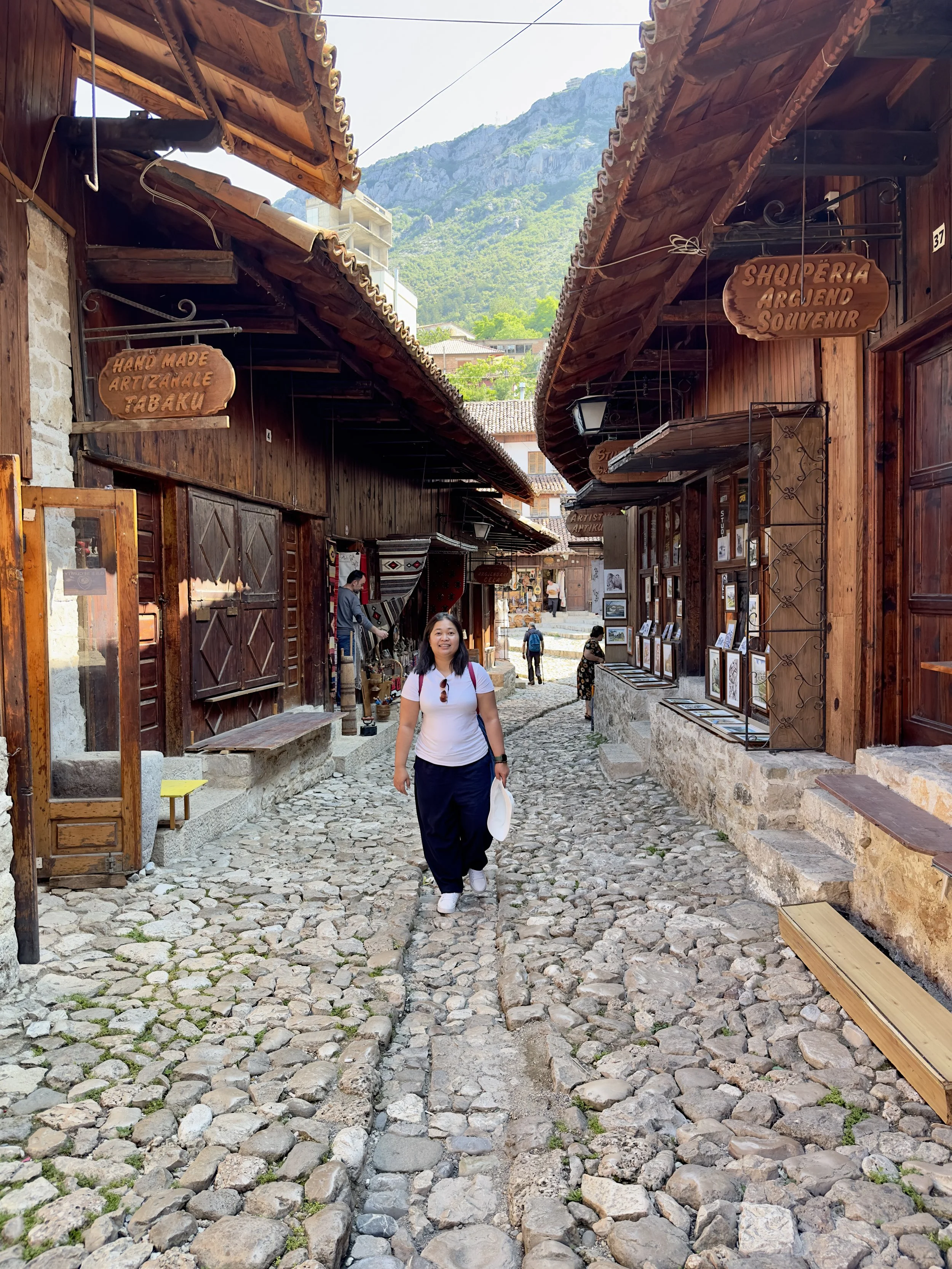
In Krujë, Skanderbeg’s fortress stood proud over the valley, the same flag still flying after centuries of resistance. Shkodër balanced Ottoman domes and Venetian towers like old friends who’d stopped arguing.
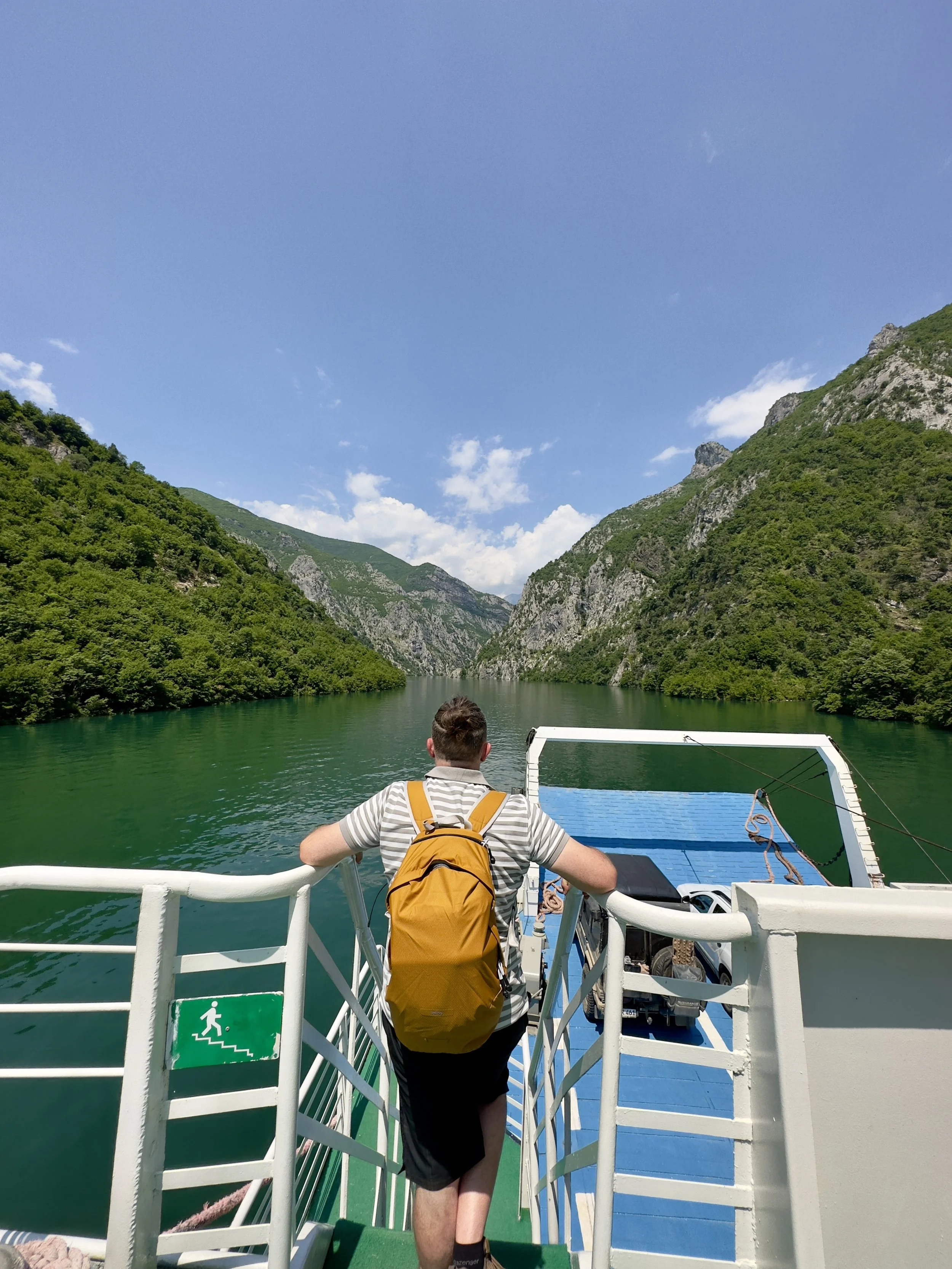
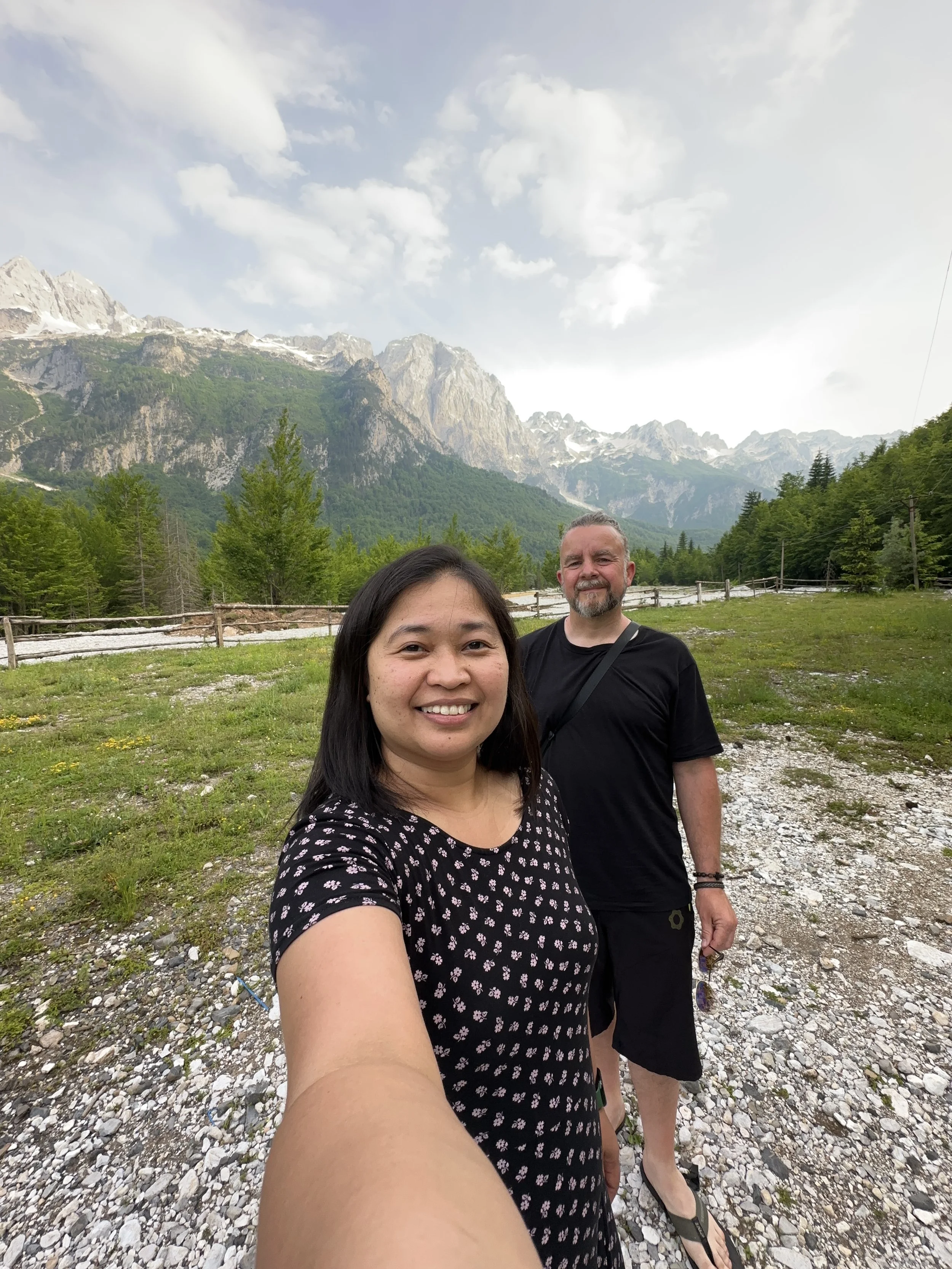
The Lake Komani ferry cut through green cliffs so steep they touched the sky. After docking, we stopped briefly in Bajram Curri, a quiet town that sits between the river and the mountains. A quick pause, a stretch, then the road pulled us deeper into Valbona Valley. By the time we reached the Valbonë Valley, we’d stepped into another world. The air was sharp with pine and smoke. Trails curled beneath the Accursed Mountains, and each guesthouse felt like a refuge built from patience.
Kosovo: Where Faith and Frontier Collide
From Albania, we crossed into Kosovo, still young, still rebuilding, but full of spirit. Peja lay beneath the Rugova Gorge, where the mountains closed in like walls of a fortress. We hiked up to Lake Leqinat, blue and silent, a mirror for clouds.
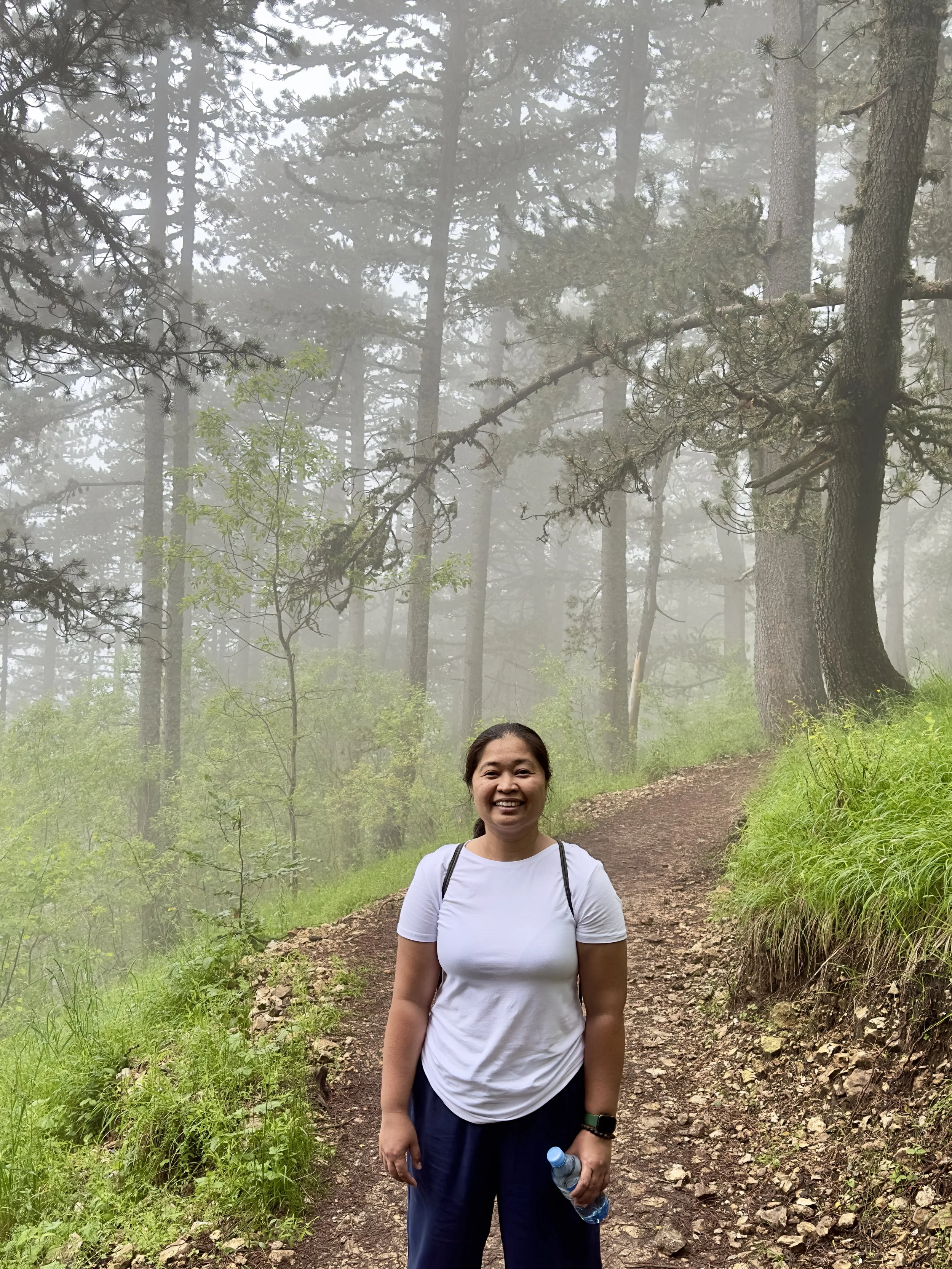
Further east, the Šar Mountains opened wide. The Big Pine Trail climbed into meadows thick with wildflowers, the ridgelines unrolling between Kosovo and North Macedonia. For a while, we walked a border you couldn’t see — a reminder that geography doesn’t always care for politics.
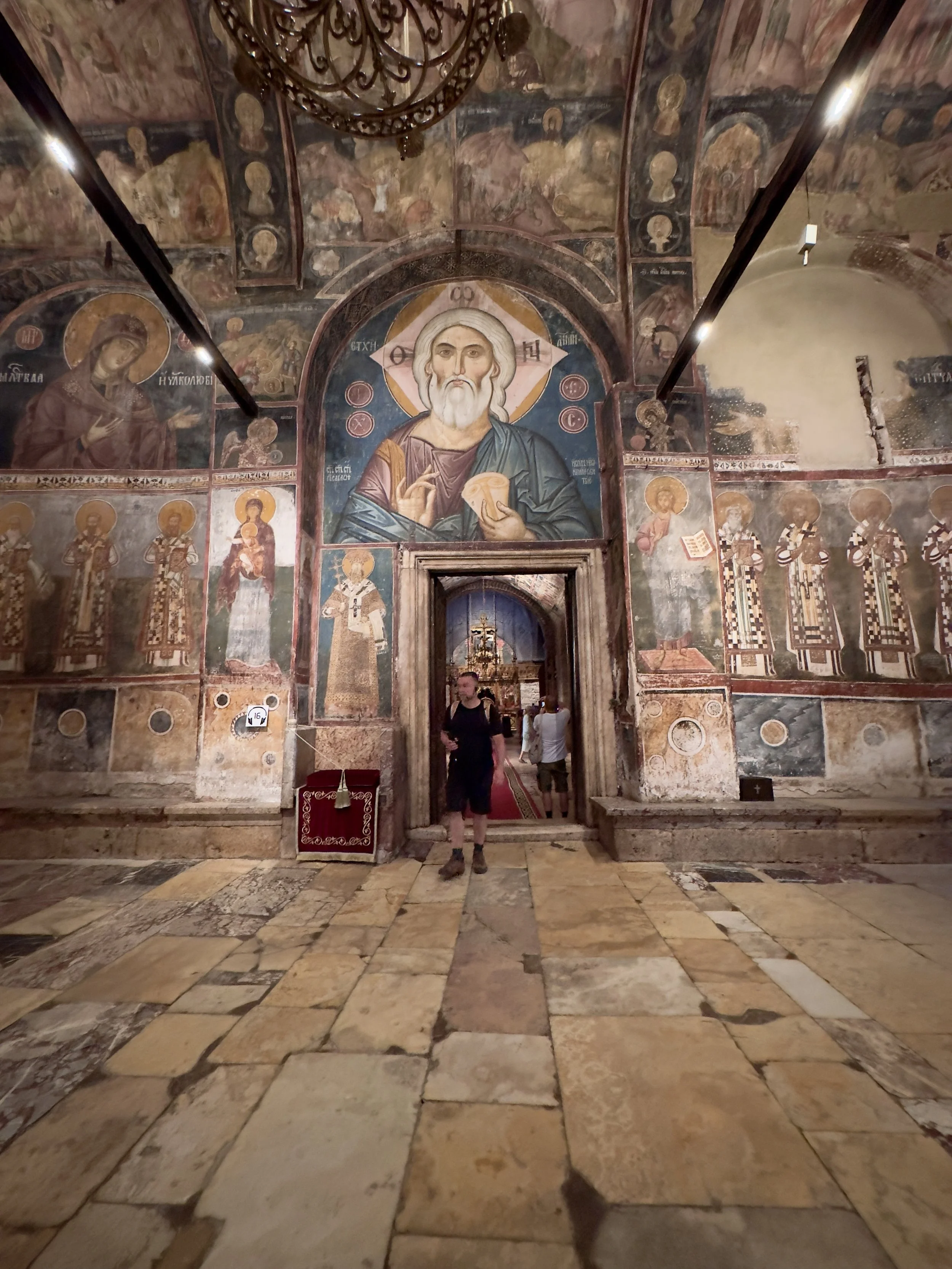
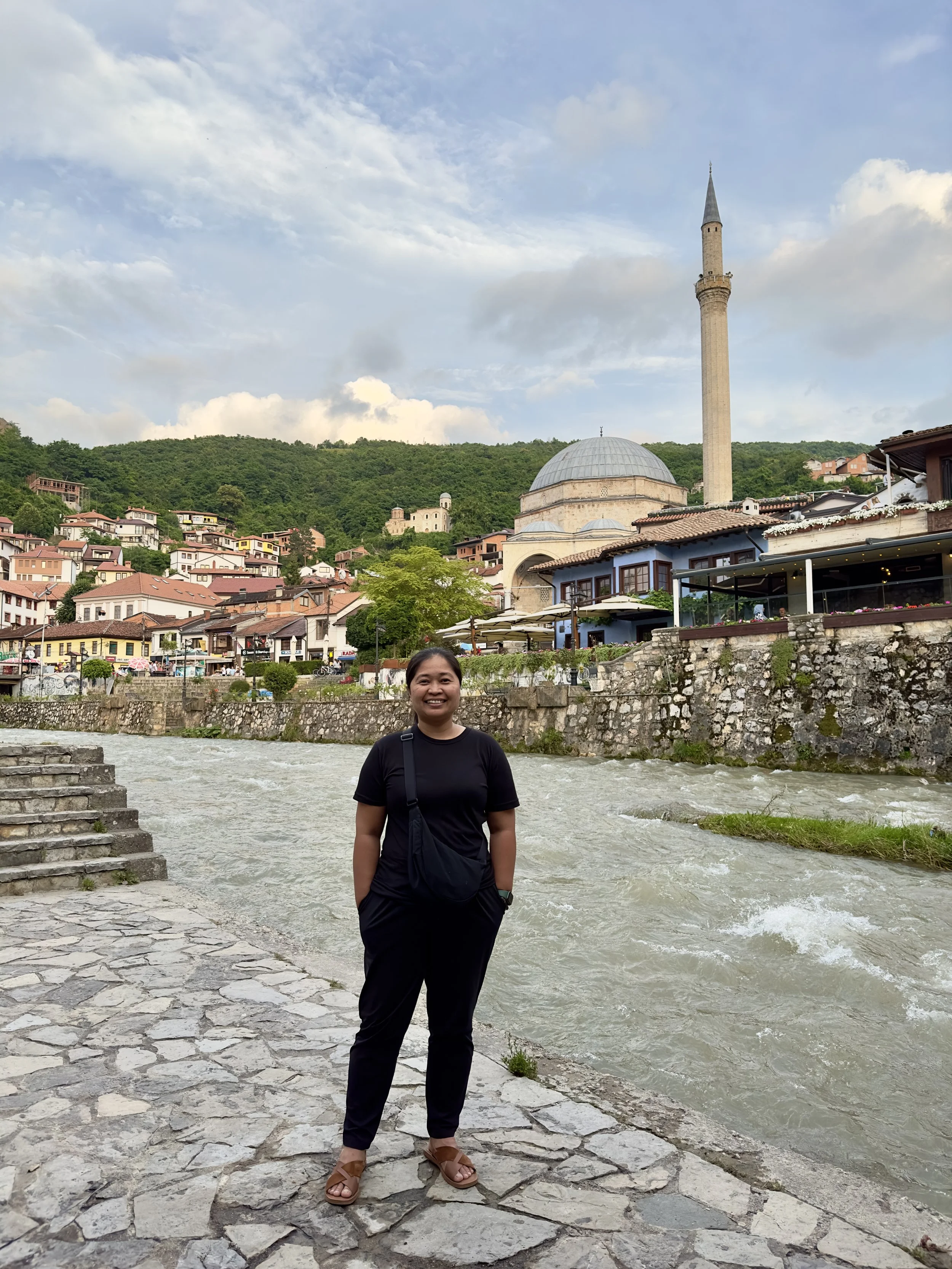
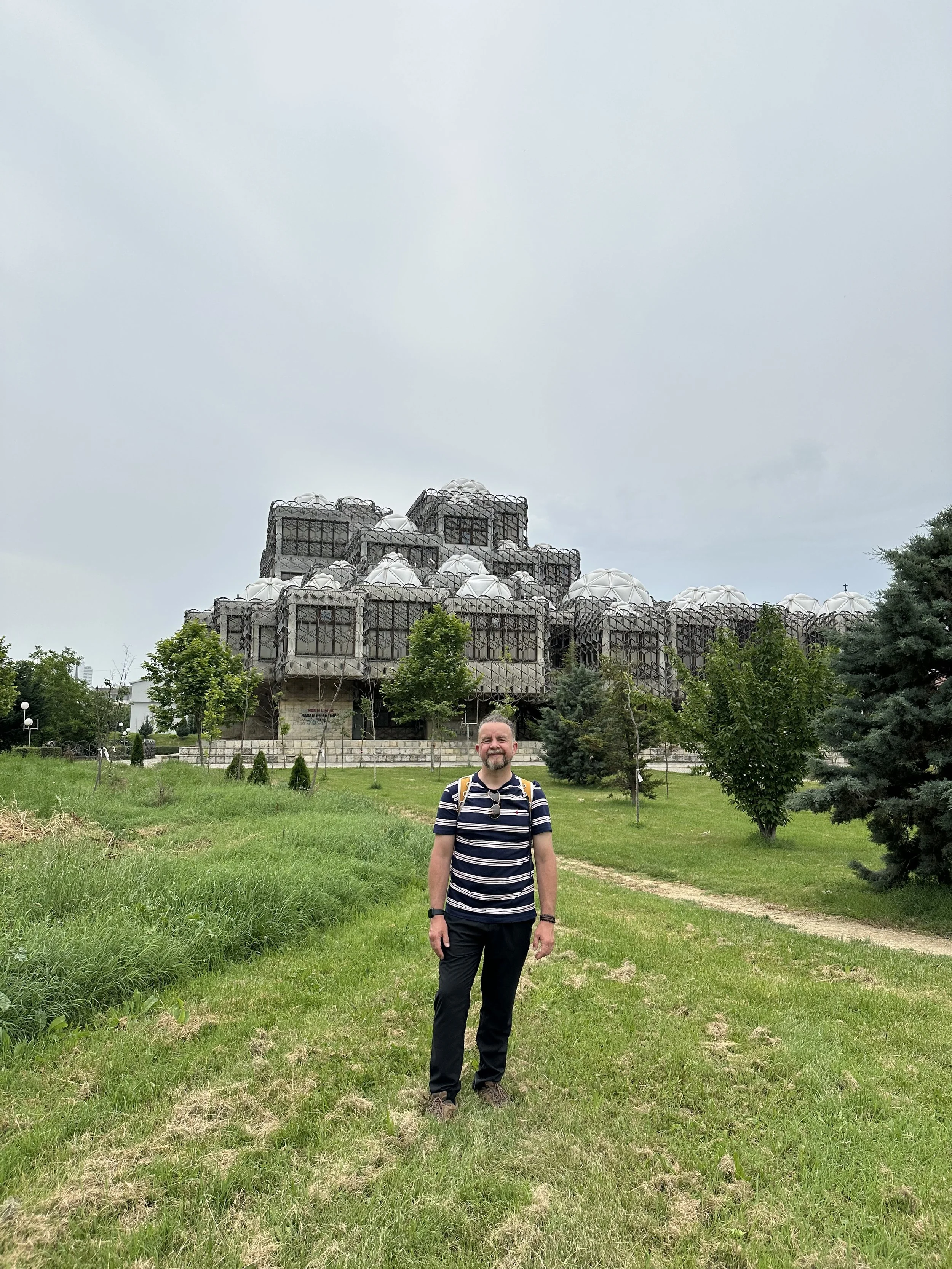
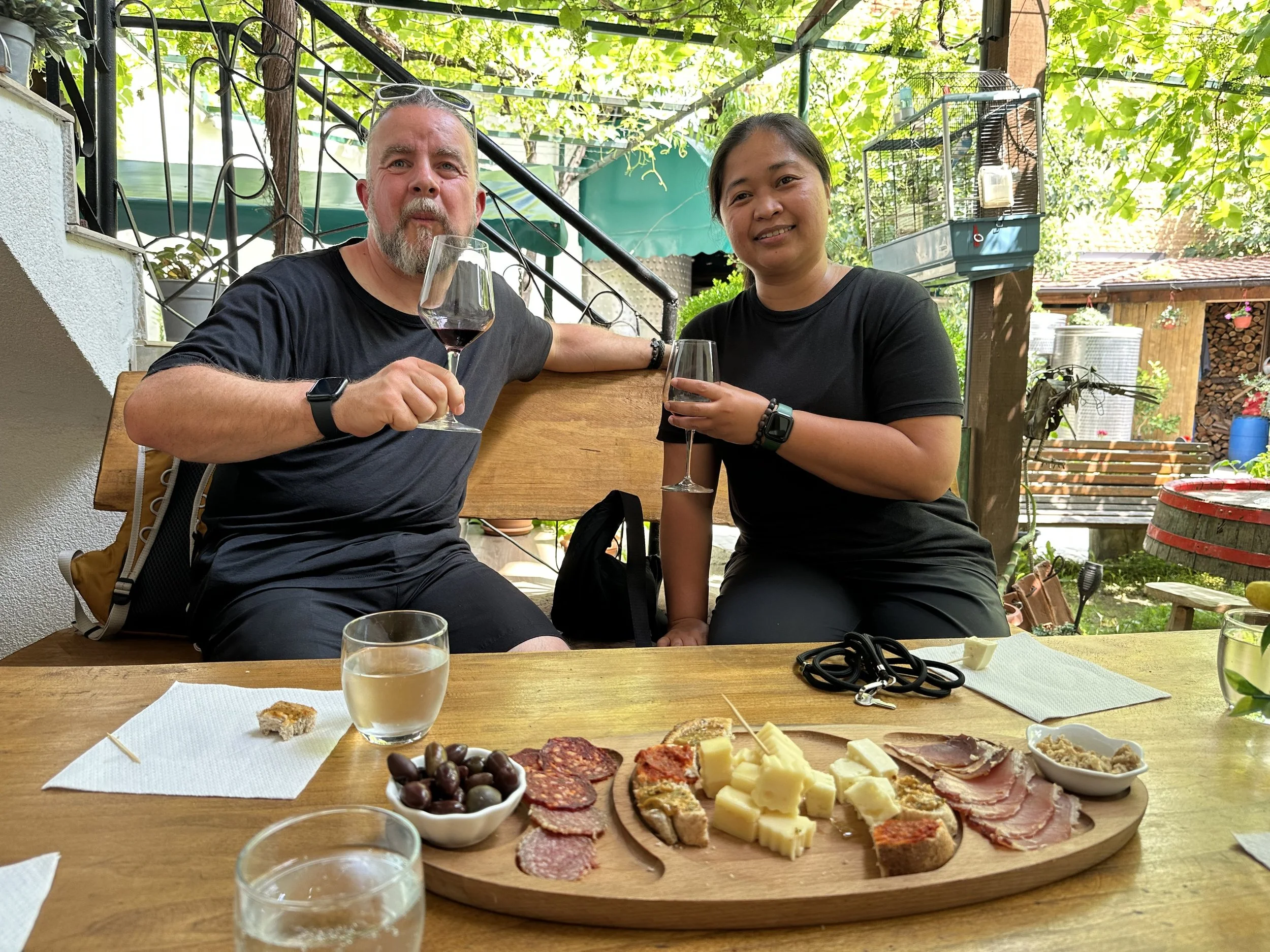
Pristina came next, with its brutalist monuments and stubborn optimism. Then Prizren, softer, older — cobbled lanes, minarets and bell towers sharing the same sky. In Velika Hoča, a Serbian enclave near Rahovec, monks poured homemade wine and spoke of patience as the country changed around them.
North Macedonia: Where Colour Endures
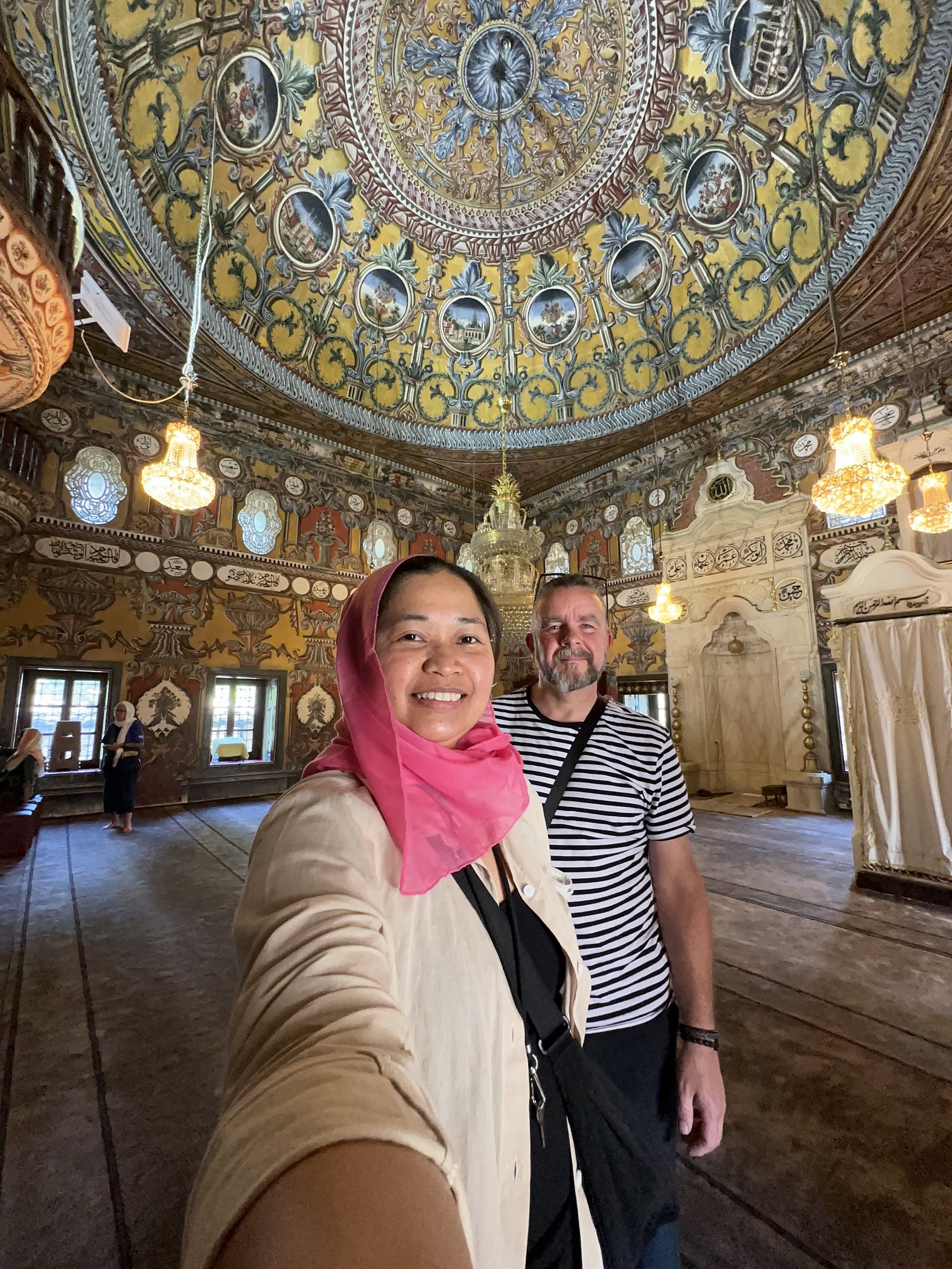
Crossing the next border felt like slipping from one world into another. Tetovo shimmered with colour — the Šarena Džamija, or Painted Mosque, its walls covered in swirling frescoes of flowers and stars.
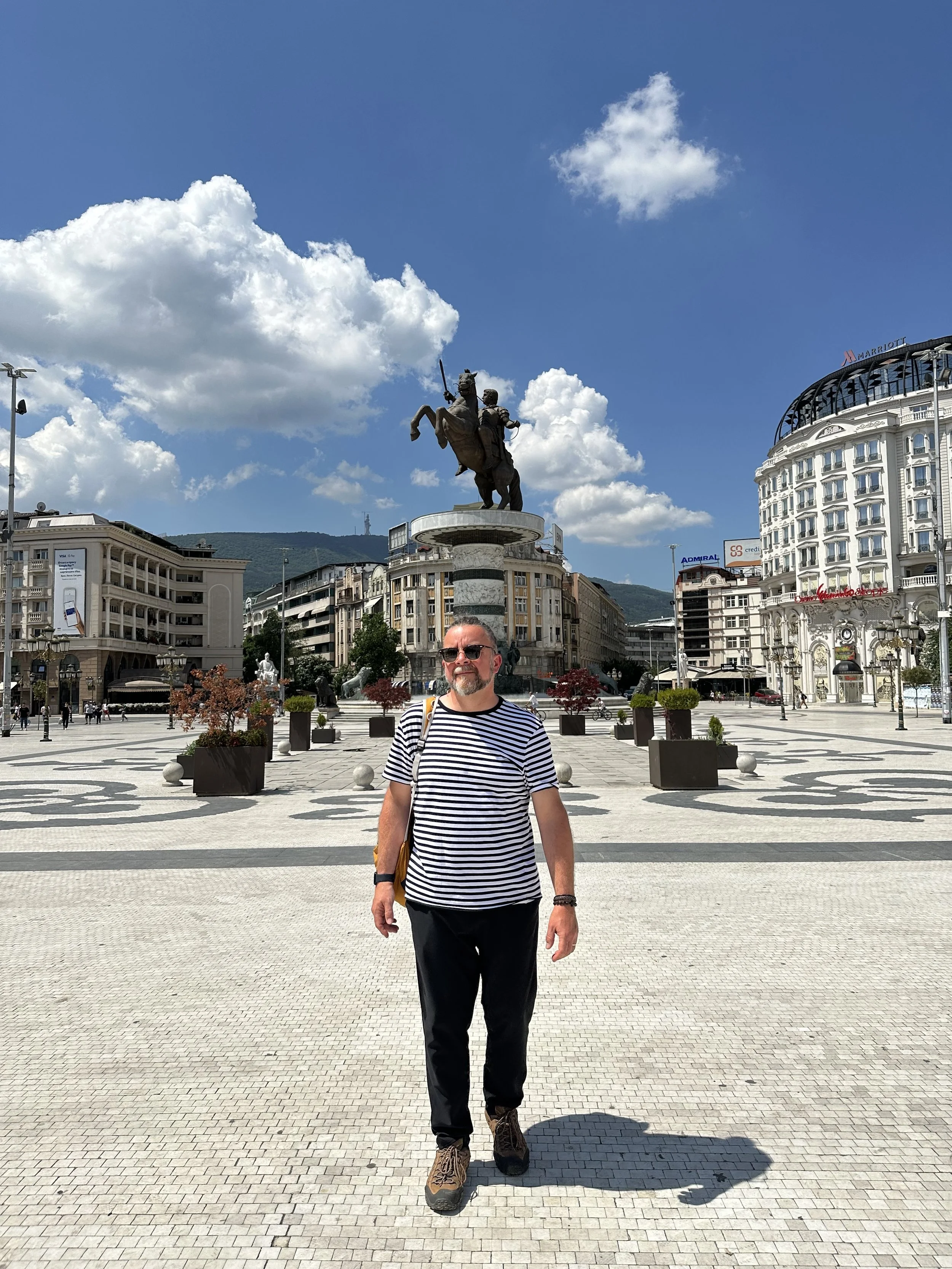
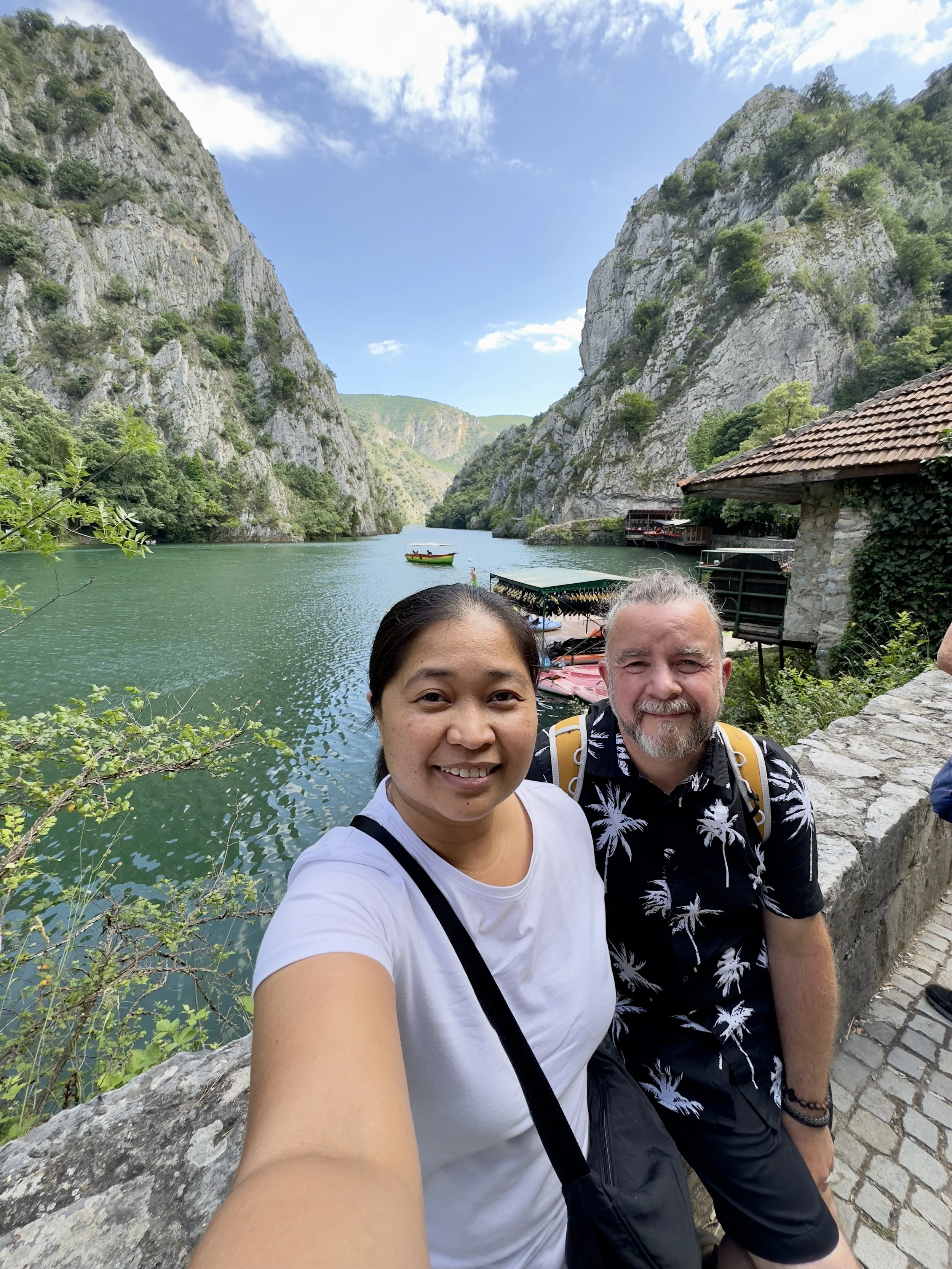
In Skopje, statues and scaffolds told the story of a city still searching for its reflection. Then Matka Canyon, where monasteries clung to cliffs above green water.
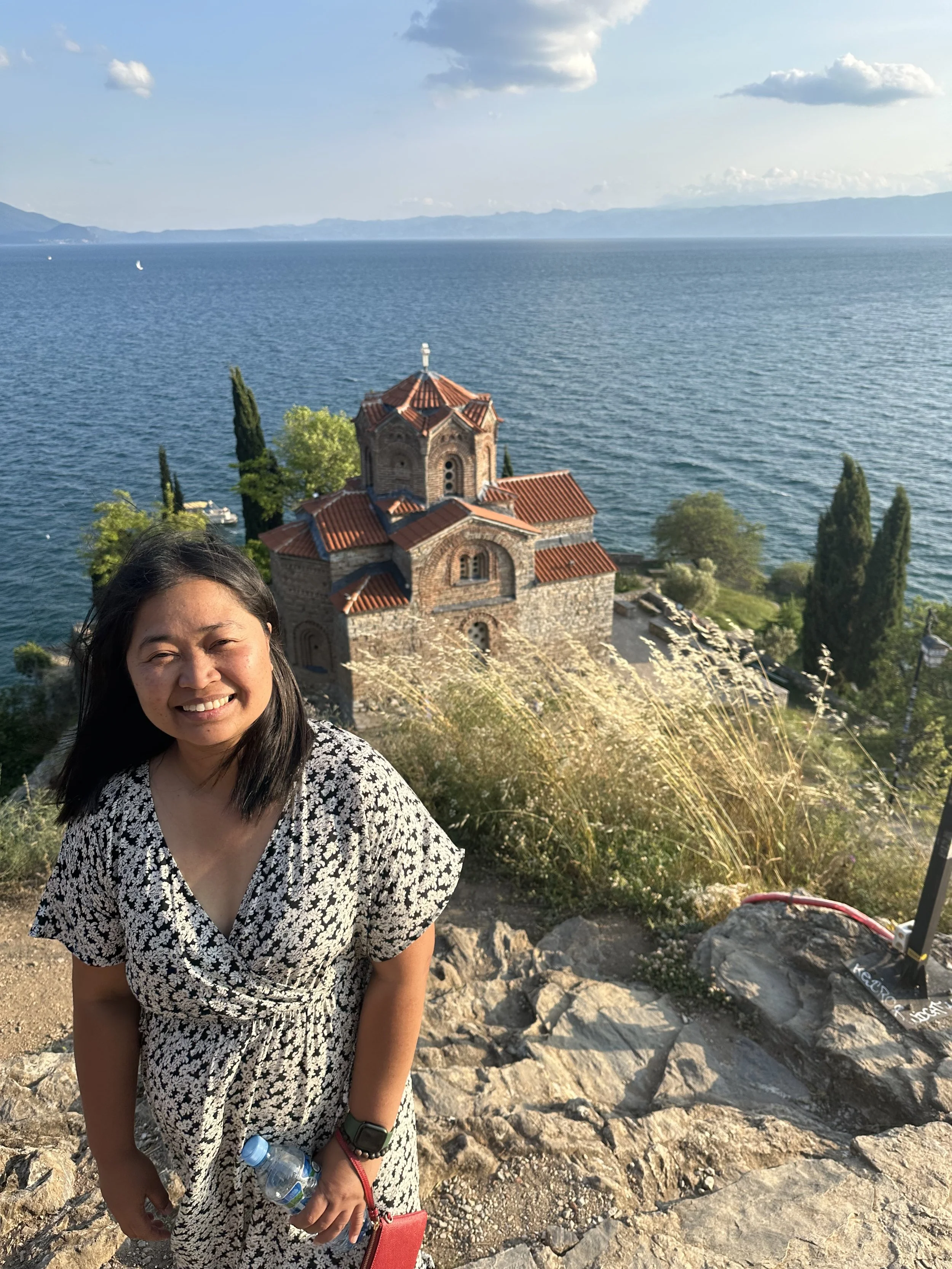
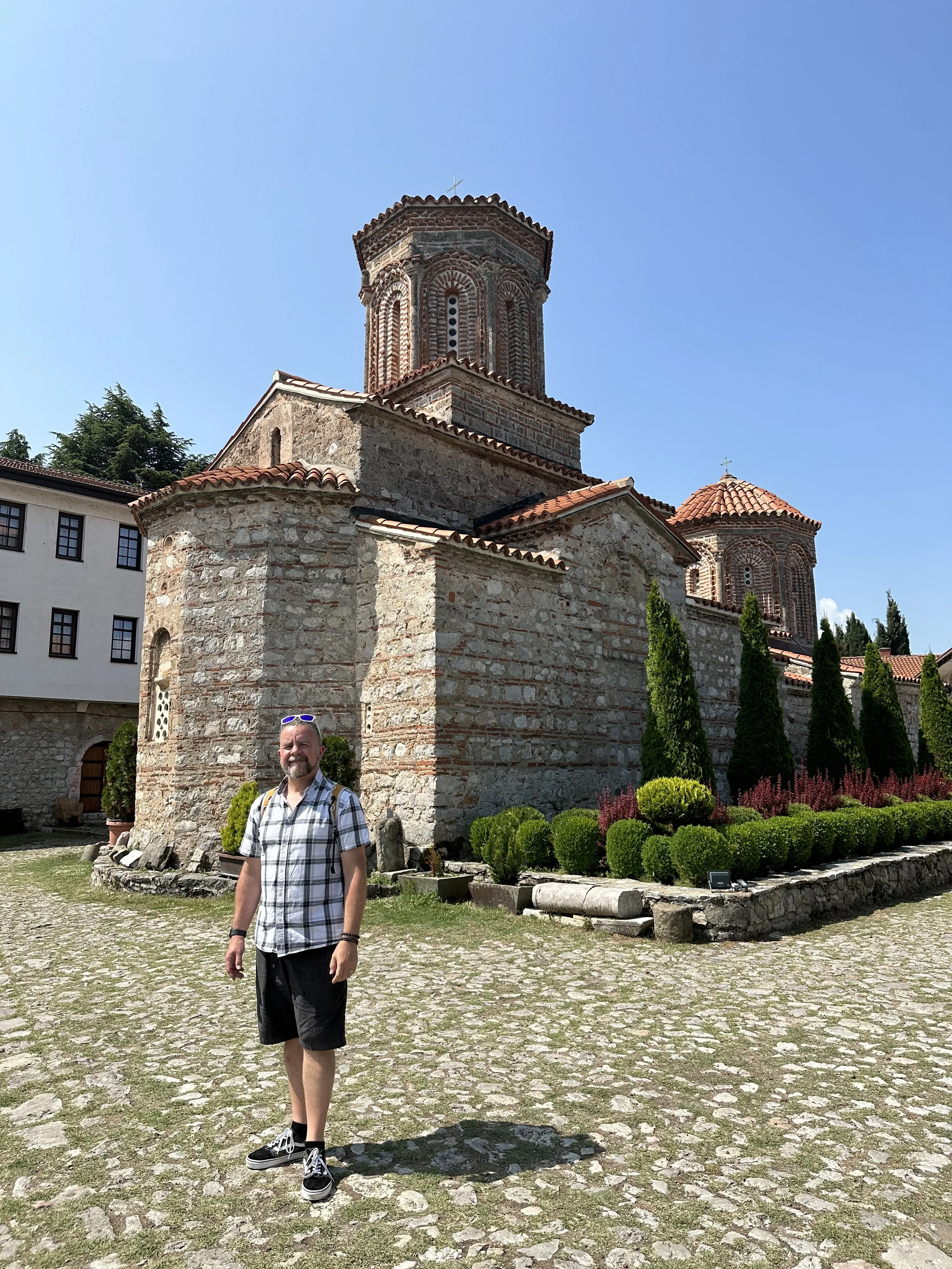
At last came Ohrid — calm, old, and luminous. From the monastery of Saint Naum, springs bubbled beneath our feet, feeding the lake and the land. They say the Cyrillic alphabet was born here, and it felt believable. Words, like water, start small and travel far.
The Thread That Ties It All
Explore’s route wasn’t random. It was deliberate, almost poetic. Every border crossed, every monastery and mosque, every trail between villages carried the same undercurrent: endurance.
These were places once divided by war and ideology, now bound again by mountain roads and the simple act of rebuilding. The Balkans may be called “undiscovered,” but the truth is, they’ve just been busy healing.
Between Stops
It’s easy to see why Explore put these three together. They share the same mountain spine — the Accursed and Šar ranges — and the same cultural mix of Christianity and Islam that has shaped this corner of Europe for a thousand years.In the space between their peaks, faith coexists, borders blur, and the story of the Balkans keeps rewriting itself in quiet, resilient ways.
Author’s Note
This journey was part of Explore Travel’s Undiscovered Balkans tour, a loop through Albania, Kosovo, and North Macedonia. It remains one of the most balanced itineraries we’ve travelled — part history, part hiking, all heart.
