
From Istanbul to Cappadocia: A First Taste of Türkiye
We had been fascinated by the Silk Road for years, the stories of caravans, merchants, and empires drifting across continents. Türkiye felt like the closest place to step into that old world without taking on a full expedition. I only wanted two things, a hot air balloon over Cappadocia and time to wander through Istanbul. Everything else, Gallipoli, Troy, Pergamum, Kuşadası, Ephesus, Pamukkale, Sultanhani Caravanserai, Ankara, became an unexpected lesson in how much movement has shaped this country.
Our ten day loop took us from Istanbul to Gallipoli, Çanakkale, Troy, Pergamum, Kuşadası, Ephesus, Pamukkale, Sultanhani Caravanserai, Cappadocia, Ankara, then back to Istanbul. A fast route on paper, but on the ground it felt like we were following an old line that millions had taken before us.
Stepping into Istanbul felt like stepping into a crossroads made of stone and water. A city split between continents, built on layers of stories that never really settled. Minarets rising over markets. Ferries cutting across the Bosphorus. Streets that felt restless, as if always ready for the next wave of travellers. It was the perfect beginning.
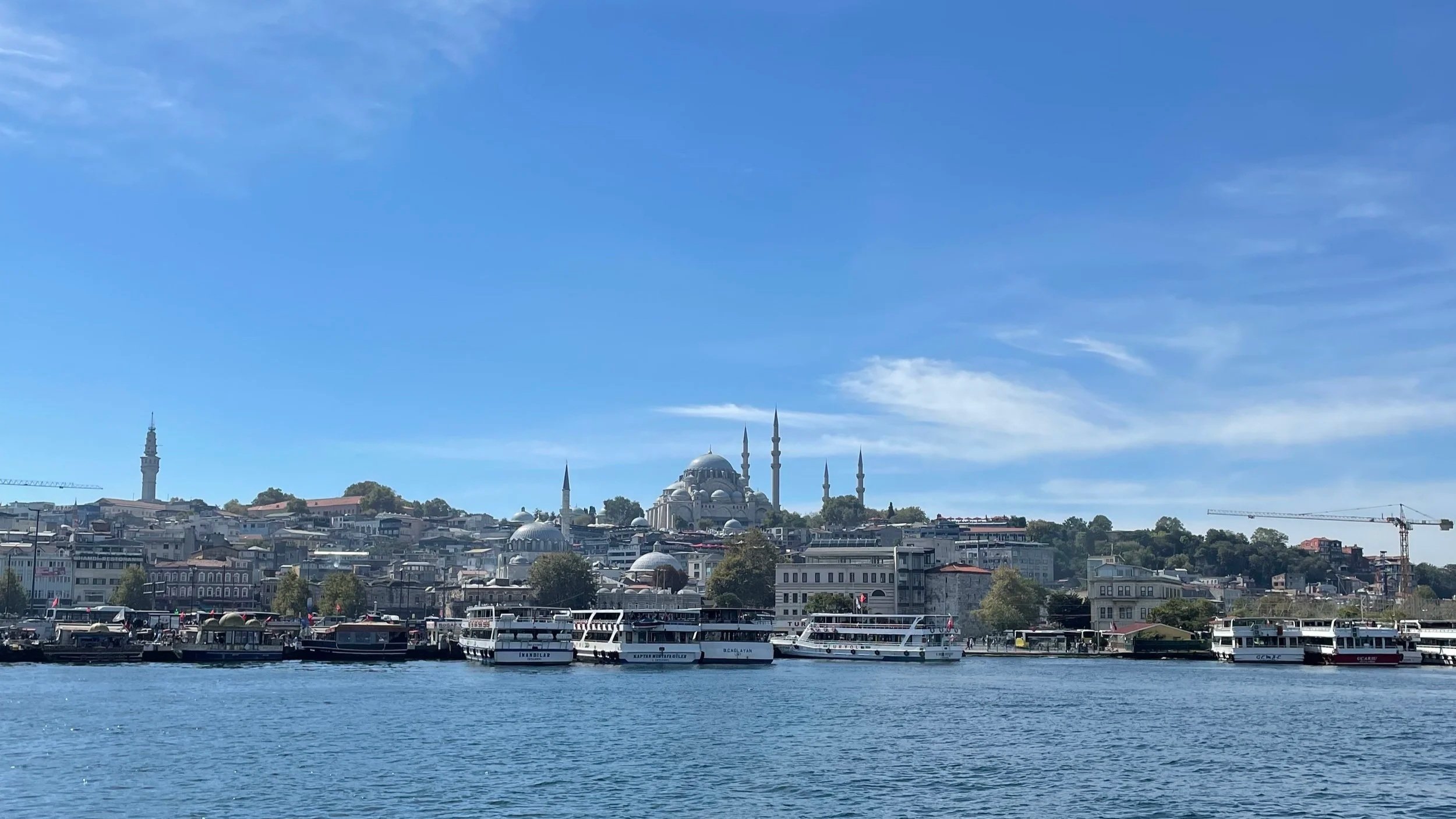
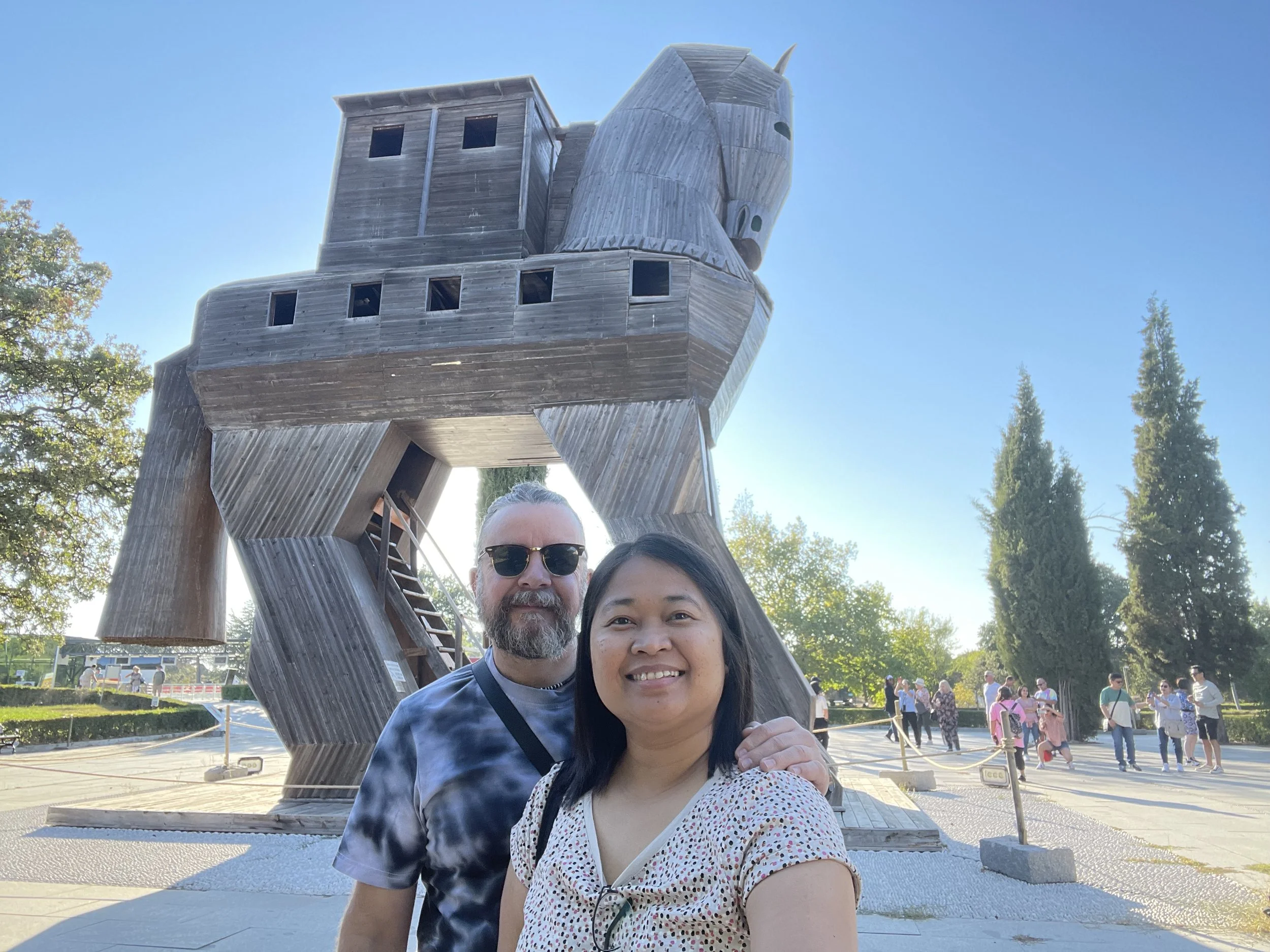
Gallipoli shifted the pace. Walking through the memorials and battlefields brought a different kind of movement to mind, the kind defined by armies crossing and colliding. It was sobering and immediate. From there, crossing into Çanakkale and visiting Troy felt like moving into myth. The ruins were quiet, but the stories were loud. Travellers have been arriving and leaving this place for thousands of years.
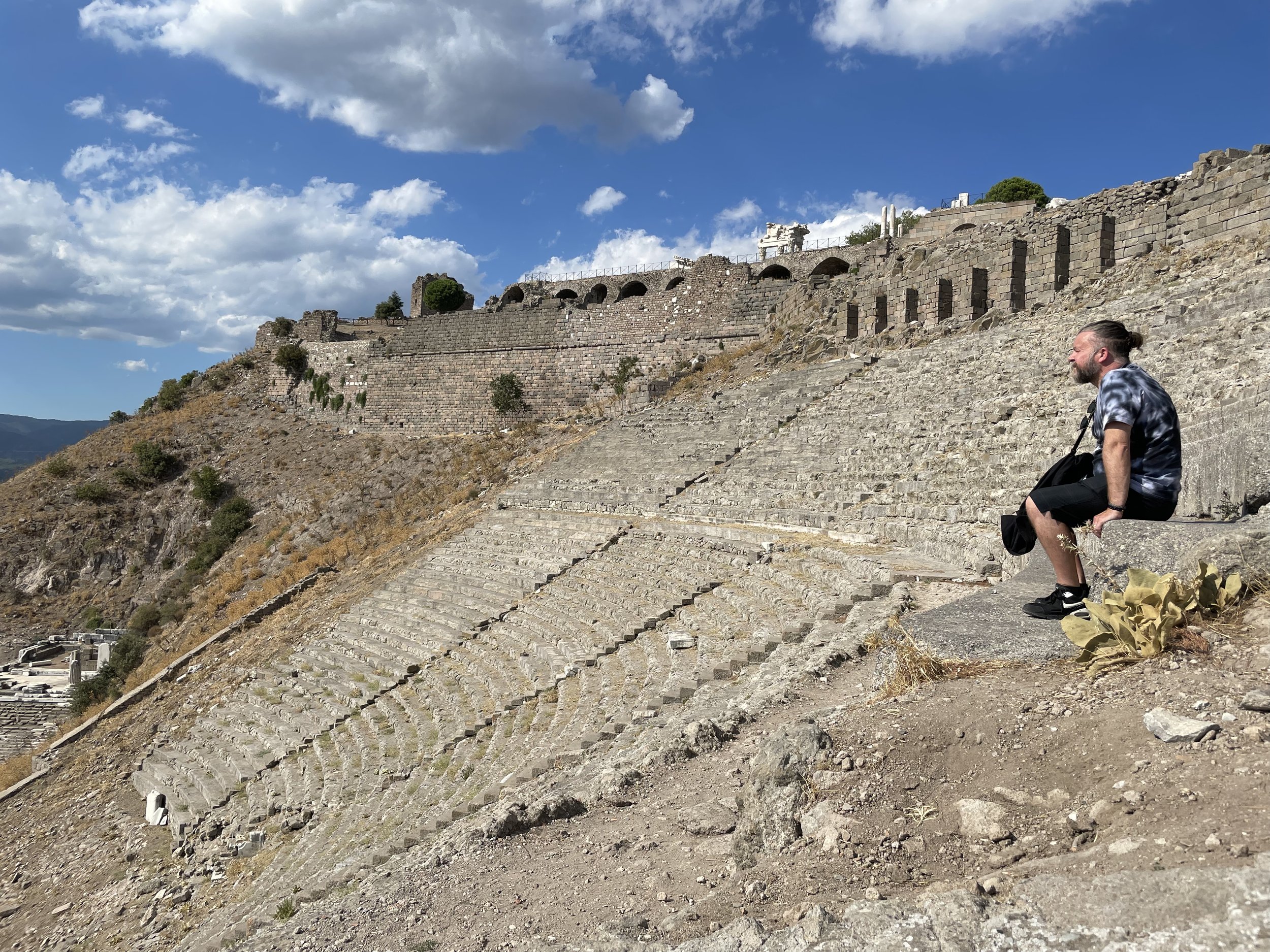
Pergamum rose high above the land, its acropolis clinging to the hillside. I could imagine ancient scholars, soldiers, and traders passing through, voices drifting across the terraces. Kuşadası became our base for Ephesus, a port city that once connected the Mediterranean to roads deep into Anatolia. Walking its marble streets felt like stepping onto an old highway. The Library of Celsus glowed in the sun and the vast theatre made everything else feel small.
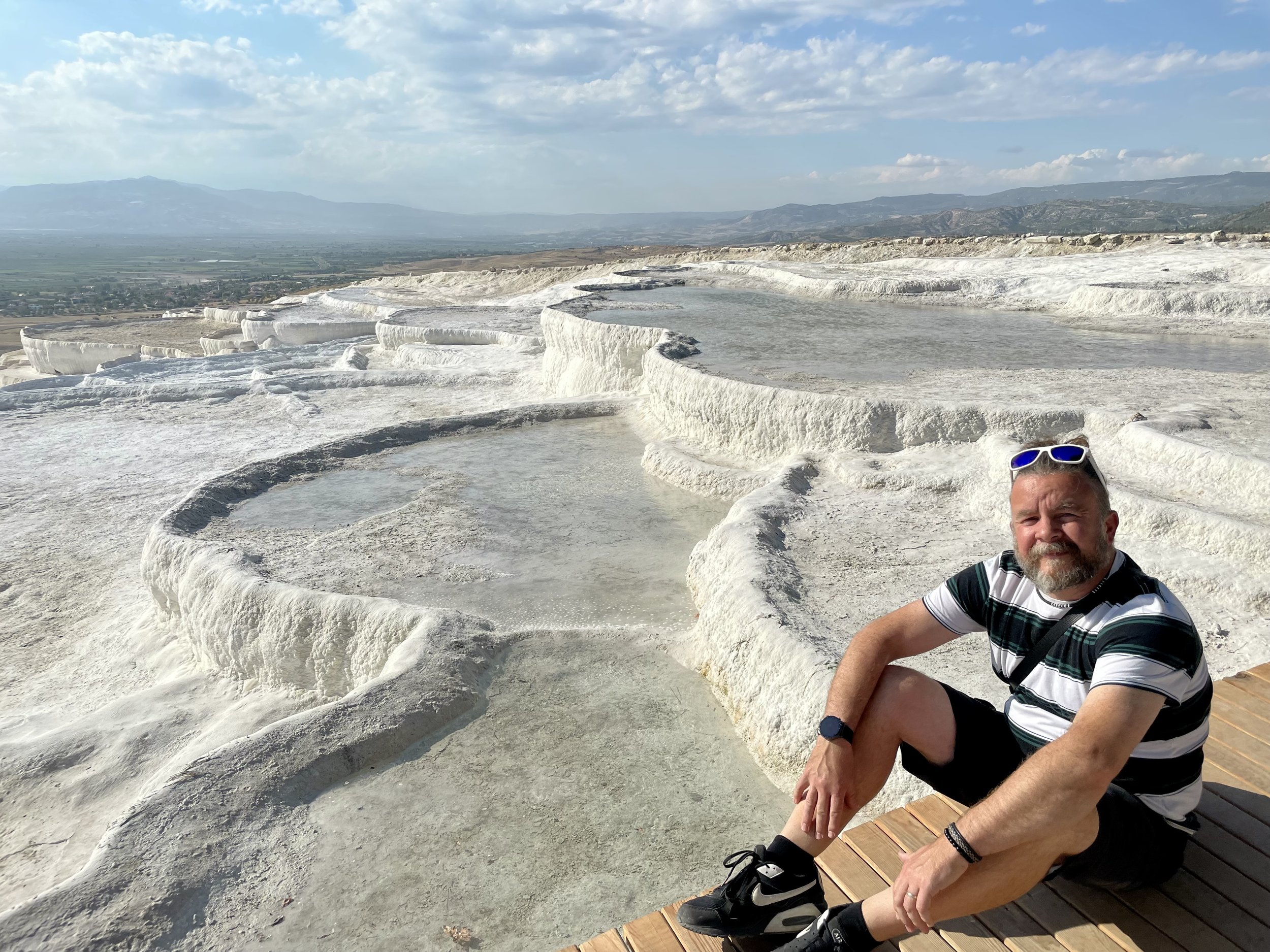
Pamukkale looked almost unreal. The white terraces and warm pools blurred nature and history. Hierapolis sat just above them, once a place where people travelled for healing. The whole area felt shaped by the steady movement of water and people over centuries.
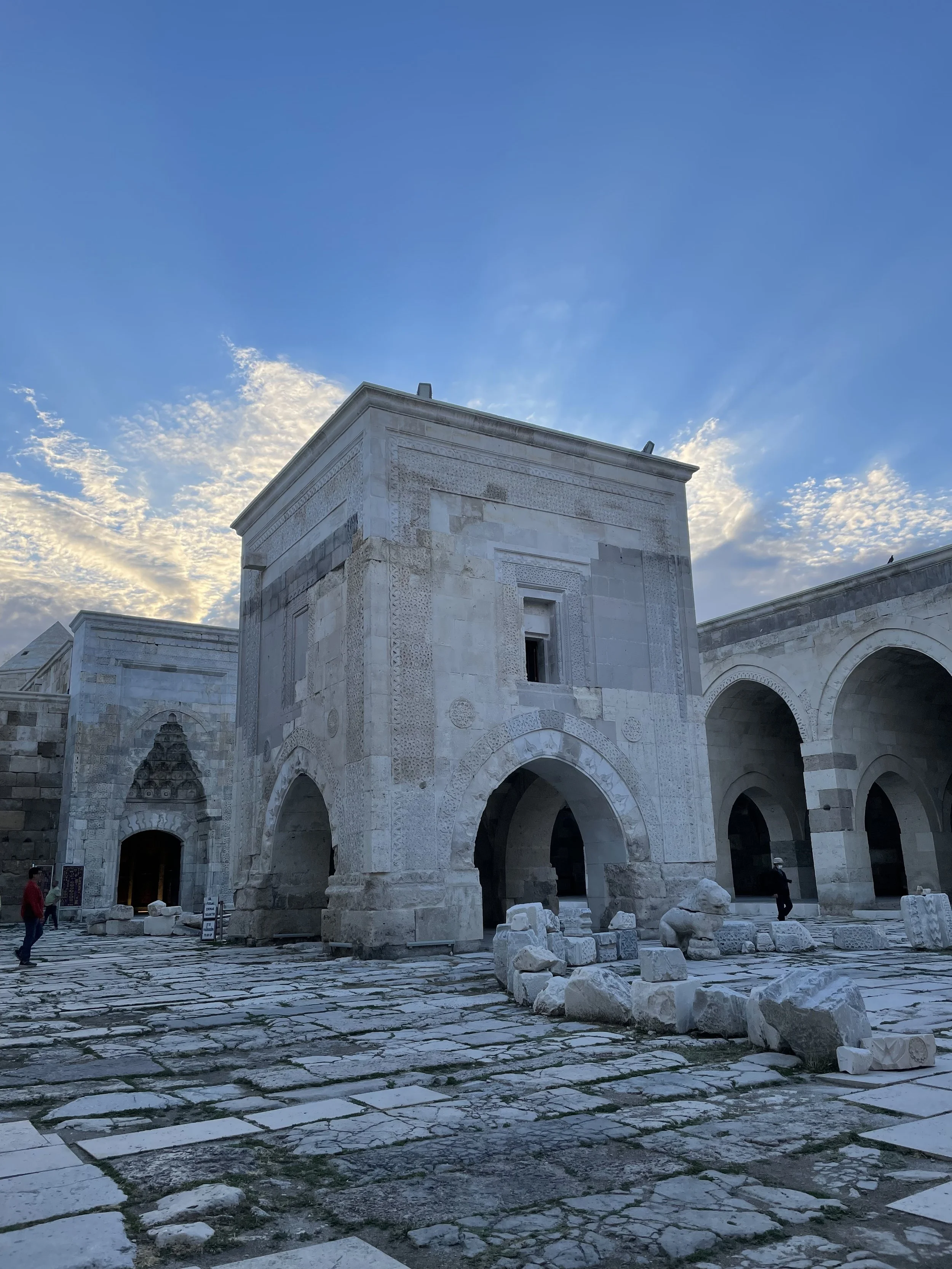
Then came Sultanhani Caravanserai, the clearest thread to the Silk Road. Thick stone walls. A courtyard built for caravans carrying goods and stories. It was easy to imagine merchants arriving here after days of travel, resting before the next stretch of road.
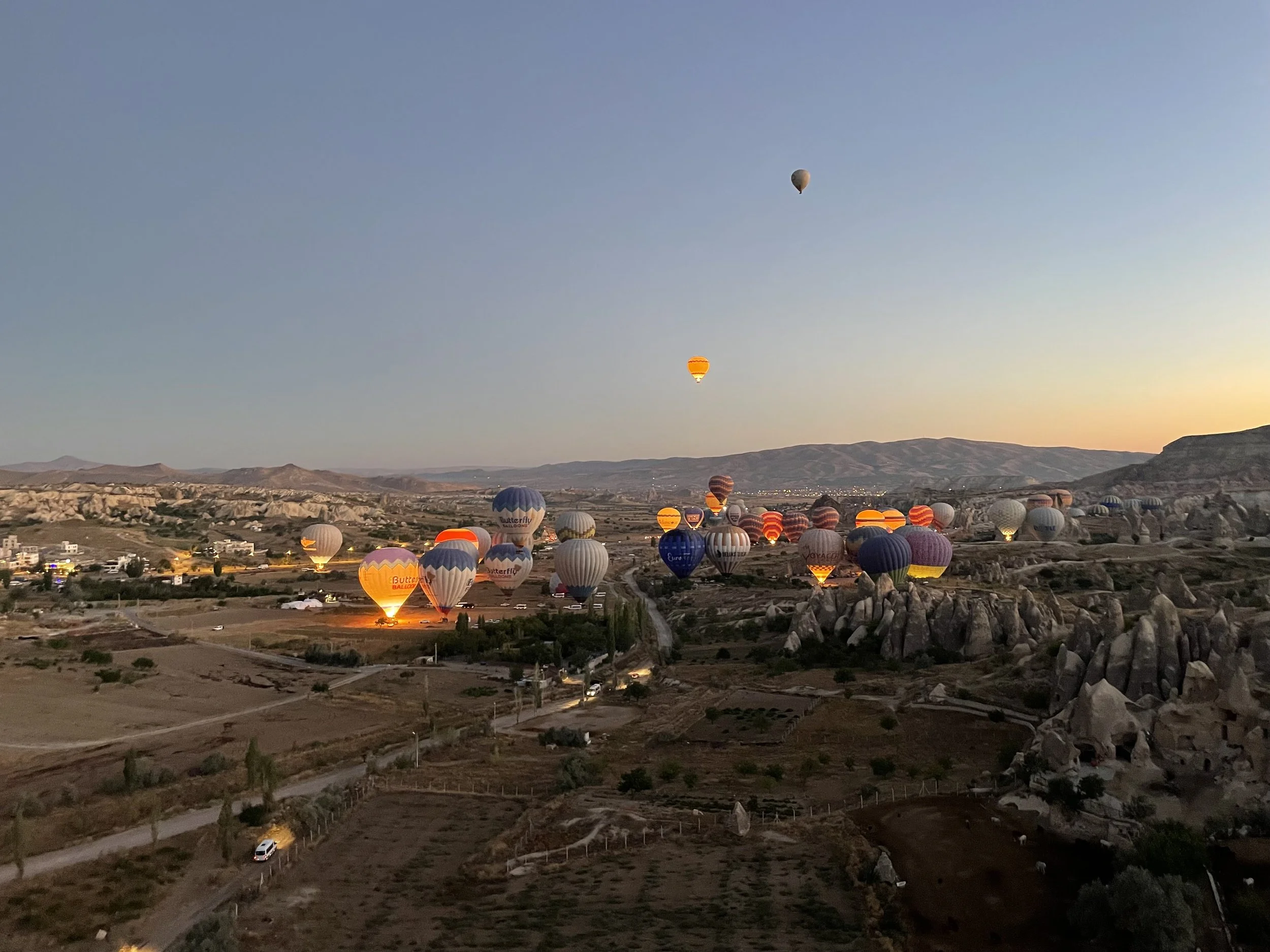
Cappadocia felt like another world entirely. Valleys carved into soft rock. Cave homes tucked into hillsides. Underground cities built to shelter whole communities when borders and empires shifted. The sunrise balloon ride was the moment I had hoped for. Floating above the land, watching the light slide across the valleys, felt like stepping out of time.
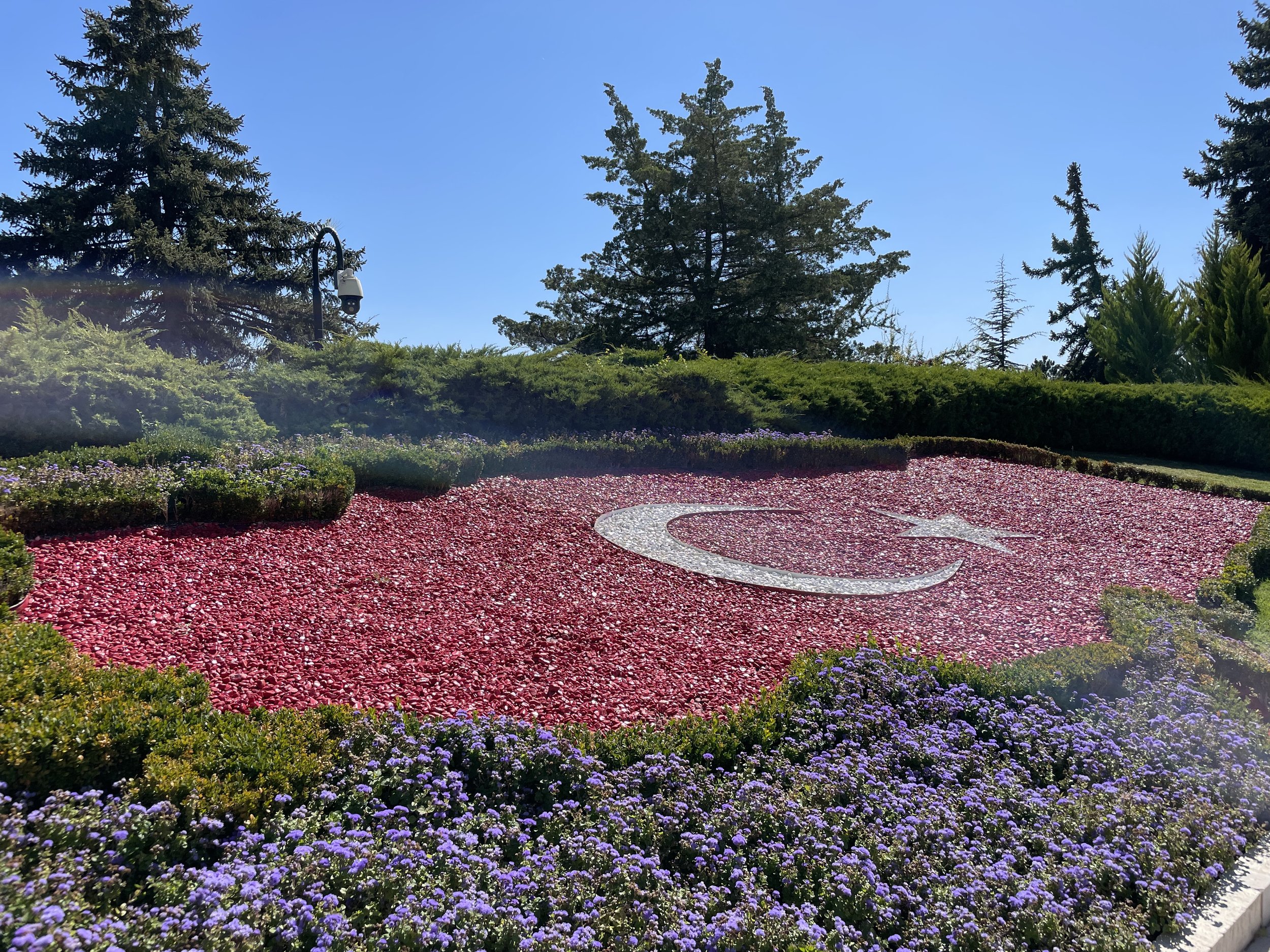
Ankara brought the story into the present. Wide boulevards. A modern rhythm. Atatürk’s mausoleum, quiet and steady, marked a different kind of movement, the creation of a new national identity after centuries of empires.
Returning to Istanbul closed the loop. It felt like coming back to the centre of everything, a city where Europe and Asia meet, and where every road seems to lead sooner or later. This route offered a clear first taste of Türkiye, a journey shaped by crossroads, stories, and landscapes. We travelled with Expat Explore who made it possible to see all this in ten days, but the meaning came from the places themselves and the long lines of history they sit on.
Author’s note: This journey took place in 2022.
