Anıtkabir Visit: Atatürk’s Mausoleum in Ankara
Ankara often sits in the shadow of Turkey’s more flamboyant cities, but its heart carries a quieter kind of gravity. This is the city Atatürk chose as the centre of a new republic, a place built on resolve rather than spectacle. His mausoleum, Anıtkabir, rises over the capital with the same steady confidence he brought to the country’s transformation. Visiting it feels less like ticking a landmark off a list and more like stepping into a still point in modern Turkish history.
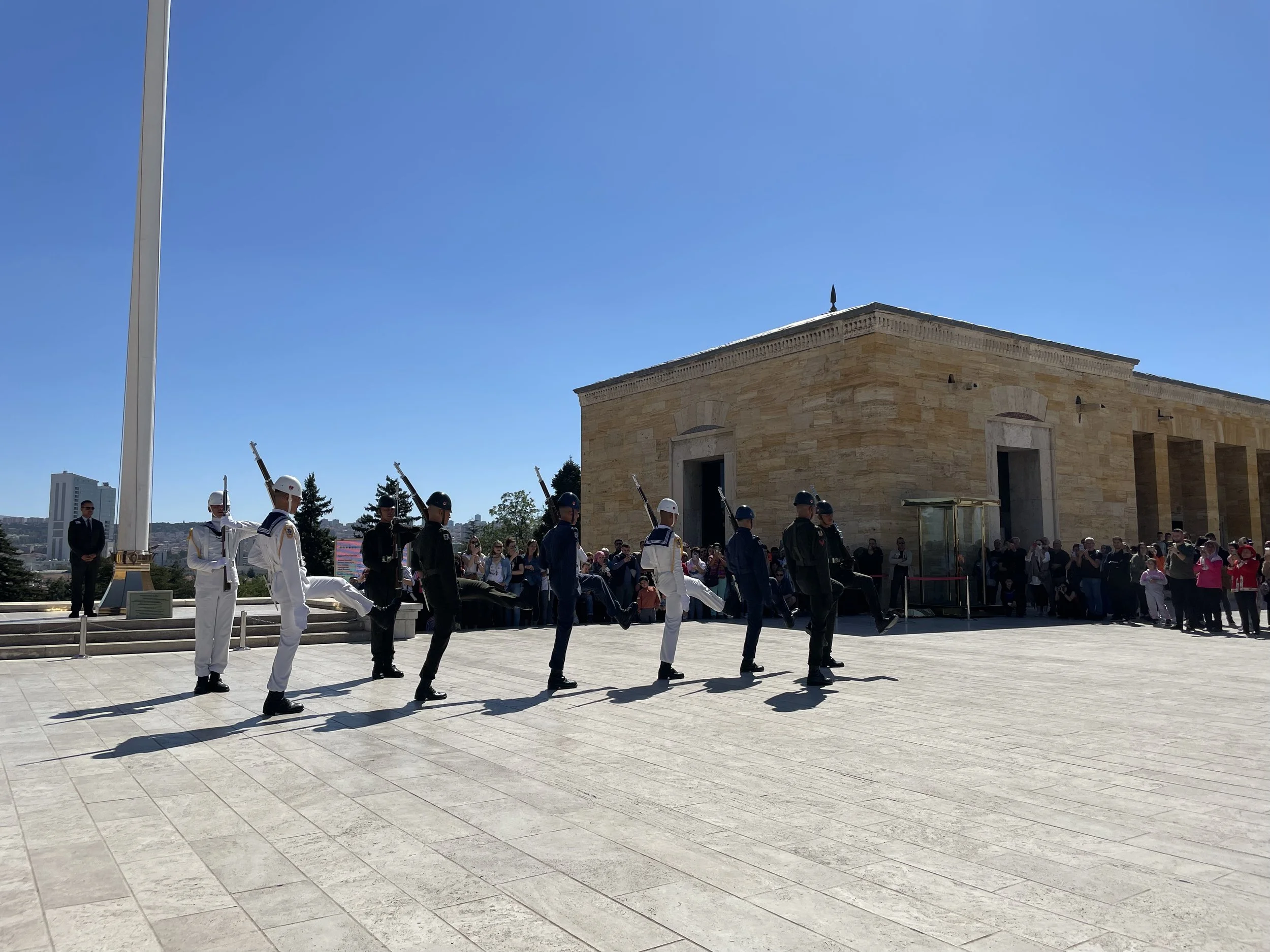
We reached Anıtkabir just as the guards stepped into formation, their boots striking the marble with a slow, deliberate rhythm. The crowd settled into silence, the kind that moves through people almost instinctively, as though everyone understood the weight of the ritual. For a moment, the whole complex seemed to hold its breath.
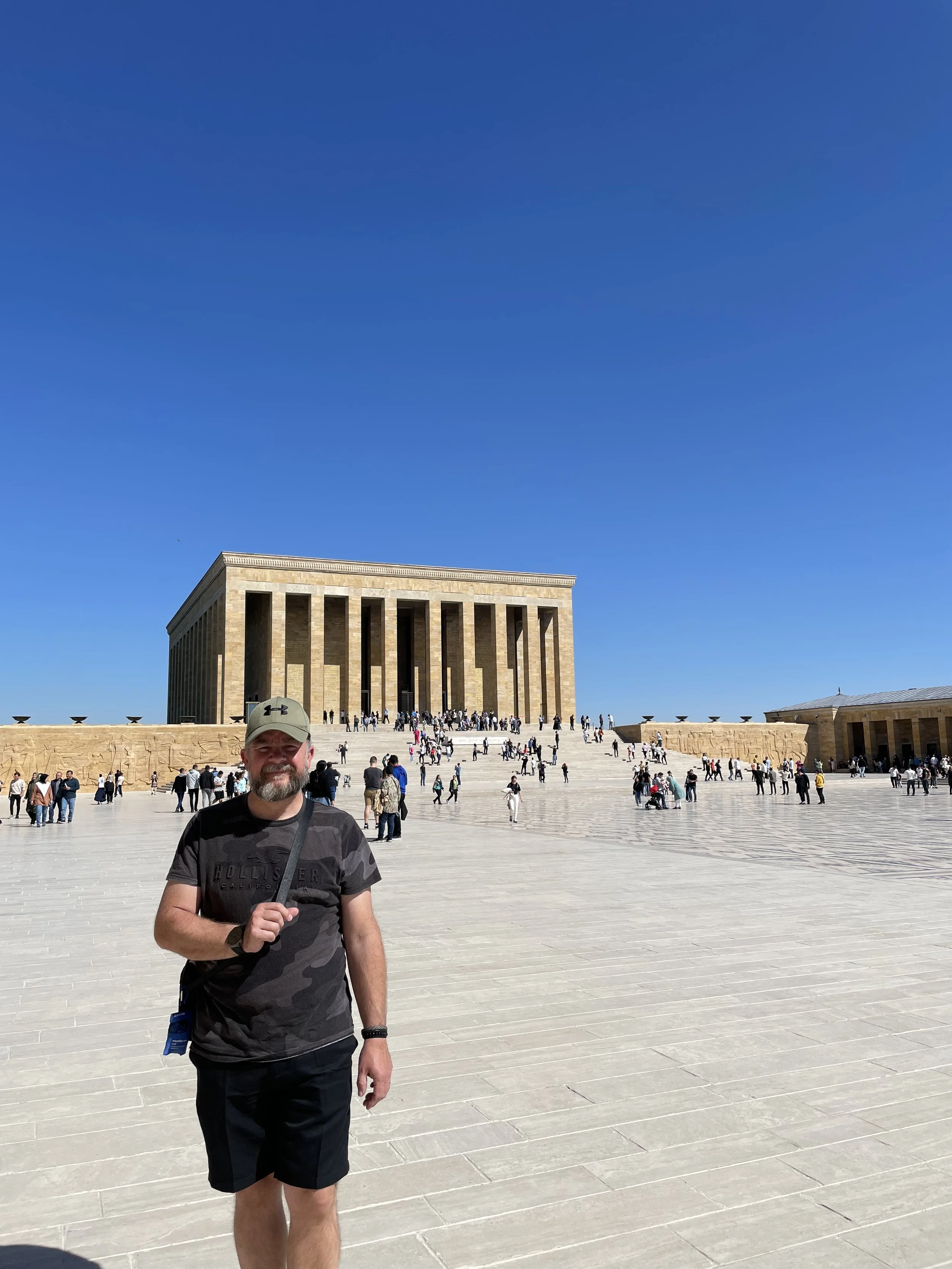
When the ceremony ended, the space unfolded around us. The Path of Lions stretched forward, each stone figure fixed in its eternal watch, their shadows falling in perfect rhythm along the walkway. The light softened the edges of the Ceremonial Plaza, turning its vastness into something unexpectedly gentle.
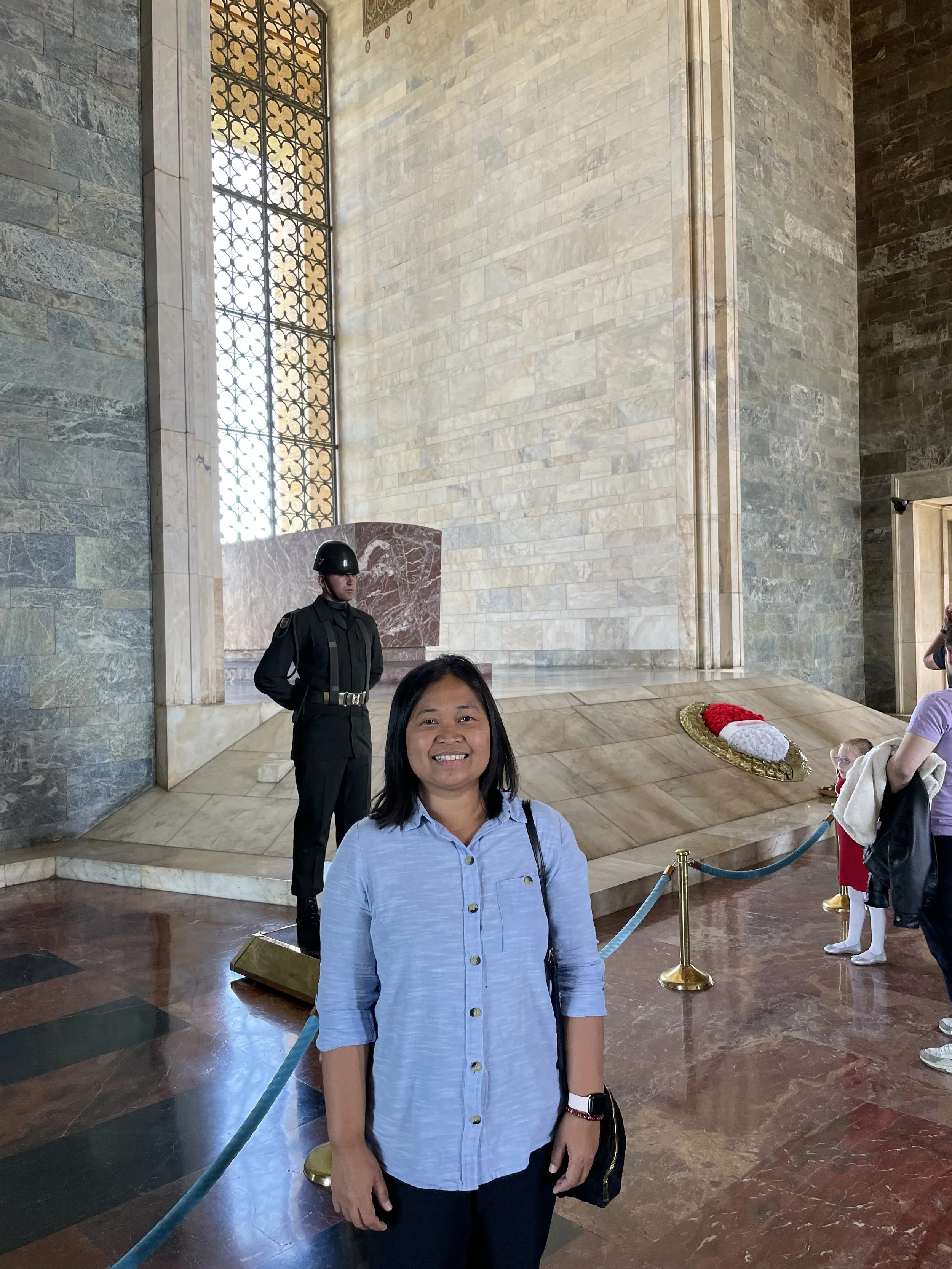
At the top, the mausoleum rose calm and symmetrical, anchored against the sky. Inside, the quiet deepened, carrying a sense of reverence that didn’t need to be explained. Beneath it, the museum traced the long, meticulous arc of the republic’s early years, its documents and belongings arranged like fragments of determination preserved in glass.
Crossing the plaza again, the echo of the guard’s earlier steps lingered faintly in the air. The afternoon moved on in its usual way, but the place had already pressed itself quietly into memory.
Anıtkabir doesn’t overwhelm; it settles. It’s a reminder of the deliberate, steady work that shaped the country, and of the man who led it with an unshakeable vision. In a capital built on intention, this is the one place where that resolve feels almost tangible.