Cappadocia: Discover Underground Cities, Panoramic Views + Historic Churches
Cappadocia is a land of contrasts, where ancient history lies hidden beneath the earth and breathtaking views stretch as far as the eye can see. On our tour, we explored underground cities built for survival and took in sweeping panoramas that reveal the region’s unique volcanic landscape. Every step brought us closer to understanding how people lived, fought and found beauty in this extraordinary world carved from stone.
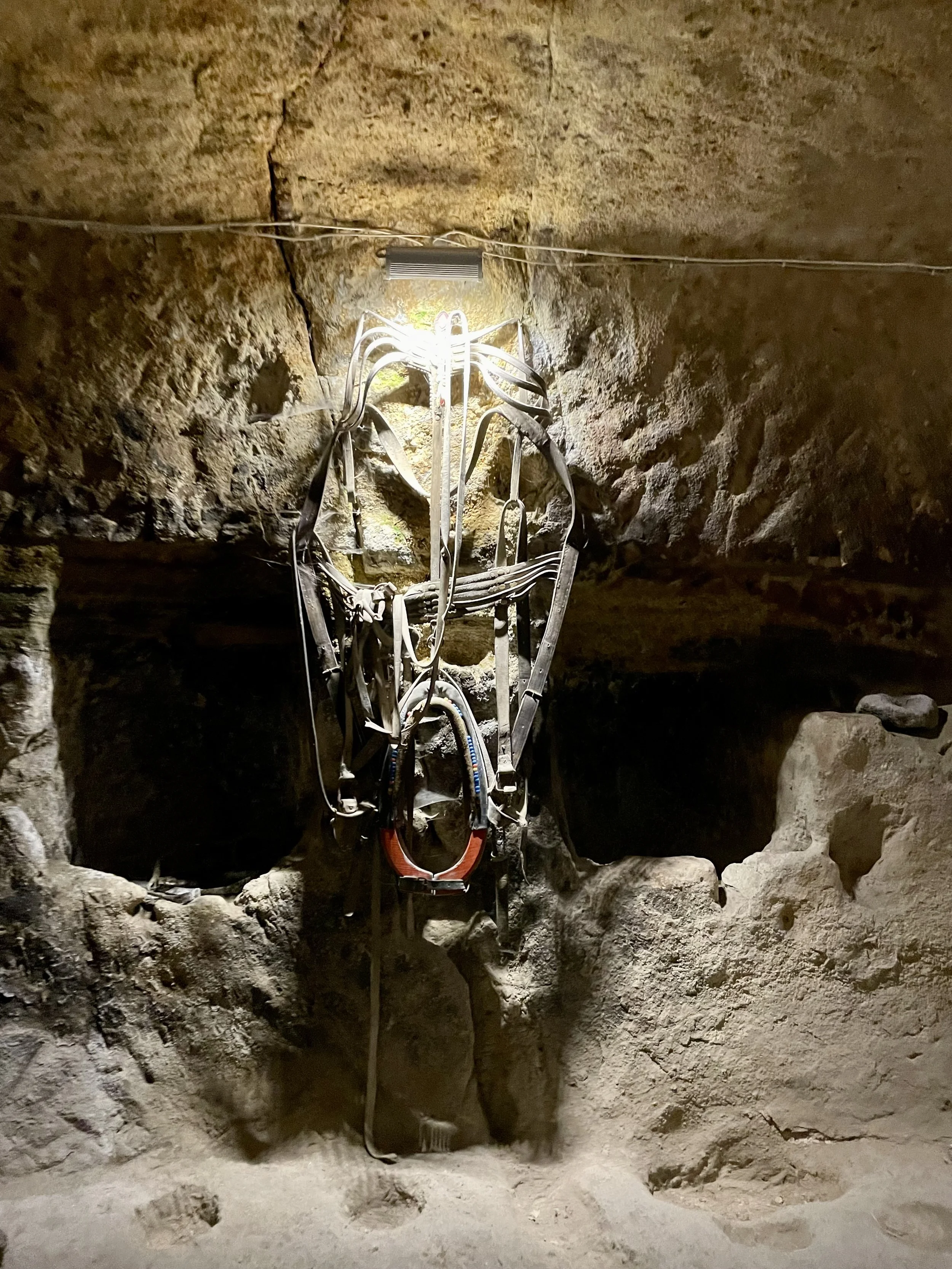
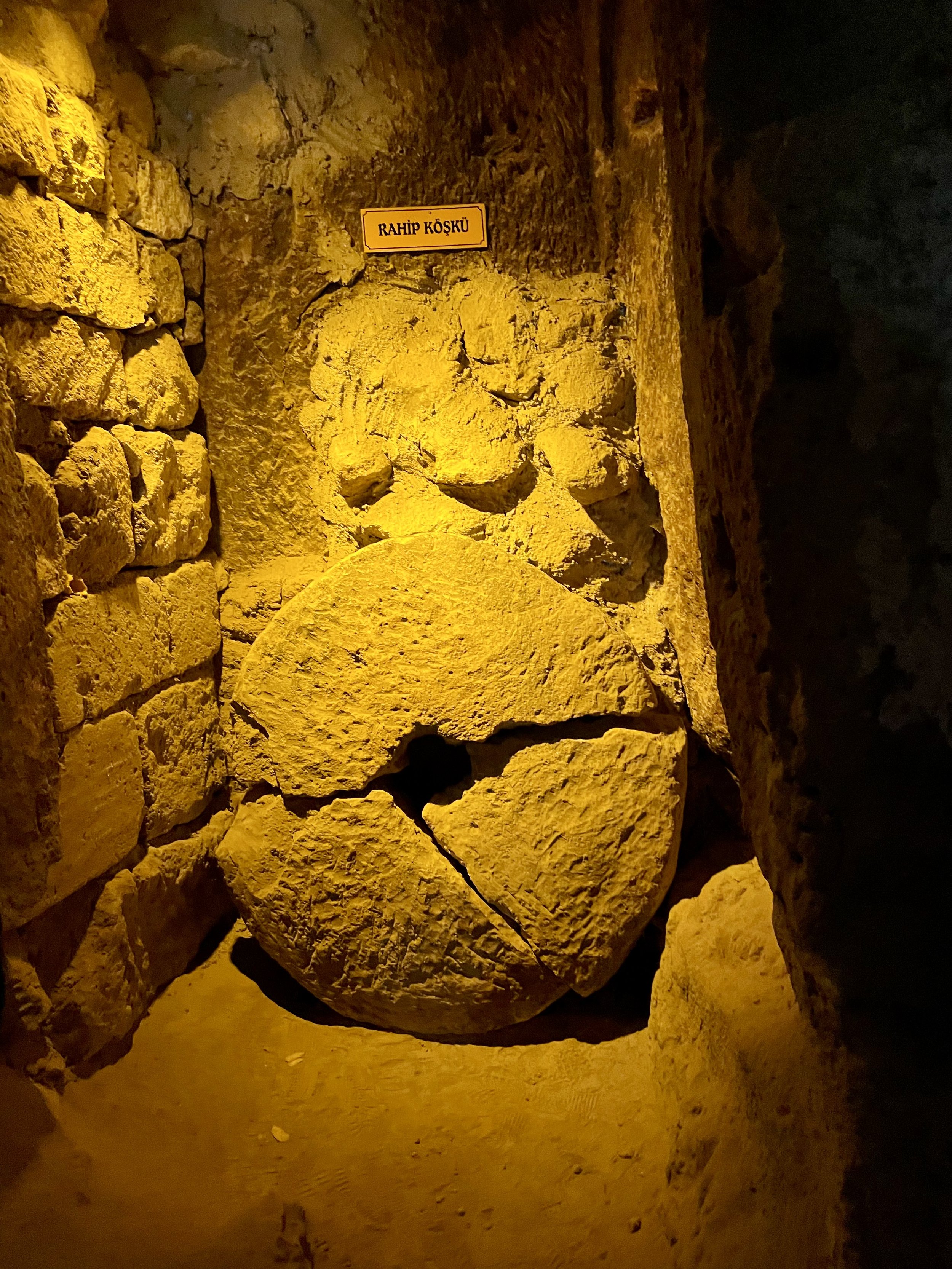
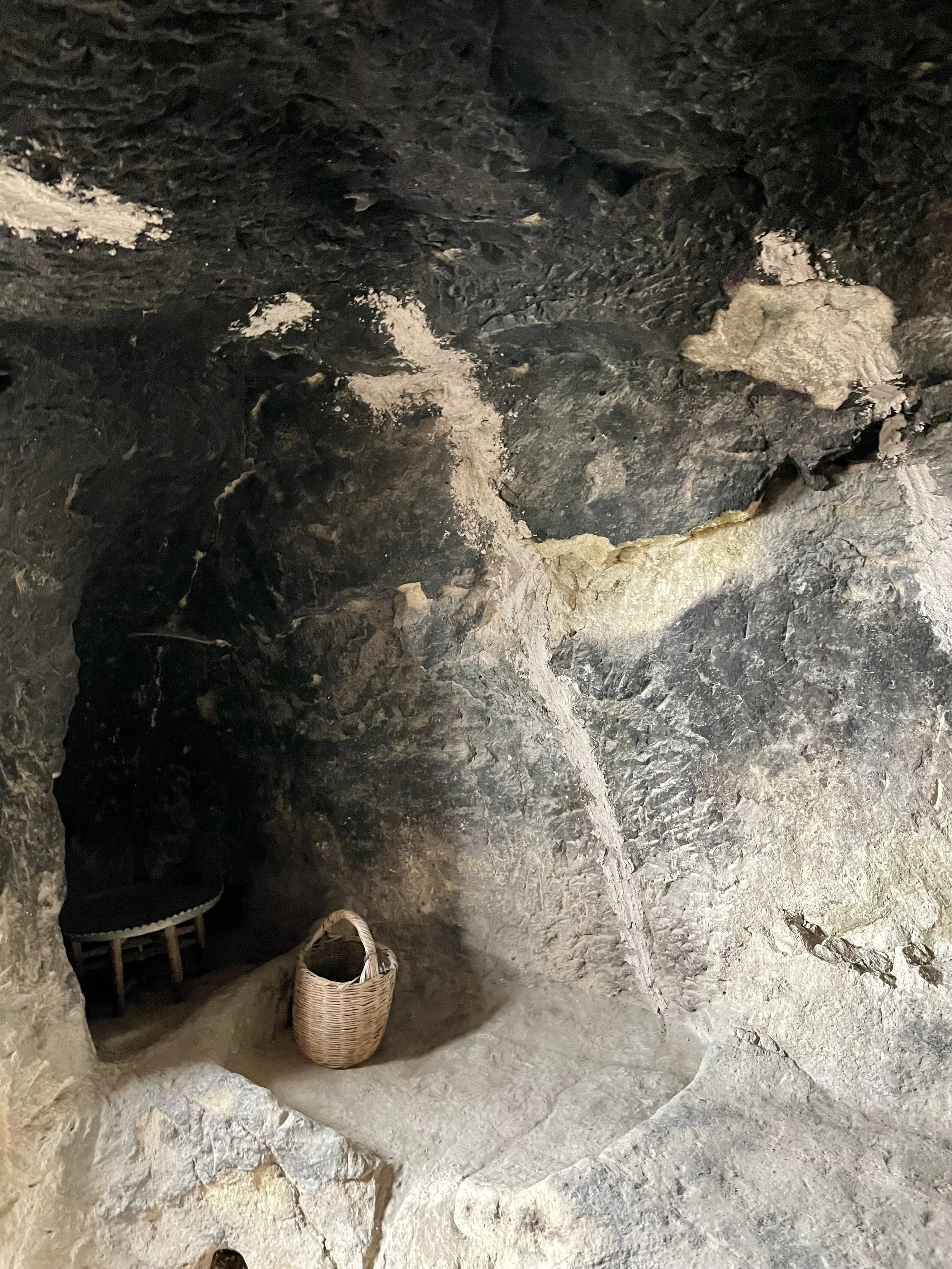
Our first stop took us deep into the mysterious Çardak Saray Yeraltı Evi, one of Cappadocia’s underground cities carved into volcanic rock. While some roots may stretch back to Hittite times (1600–1200 BC), most of these labyrinths were expanded during Roman and Byzantine periods as locals sought refuge from invading armies. Designed to shelter entire communities, the tunnels include stables, kitchens and living quarters. As you navigate the tight, dimly lit tunnels, you grasp the skill required to build a self-sufficient underground community. The cool air and close walls whisper stories of survival and resilience. It is humbling to imagine entire families living here for months at a time, protected from danger above.
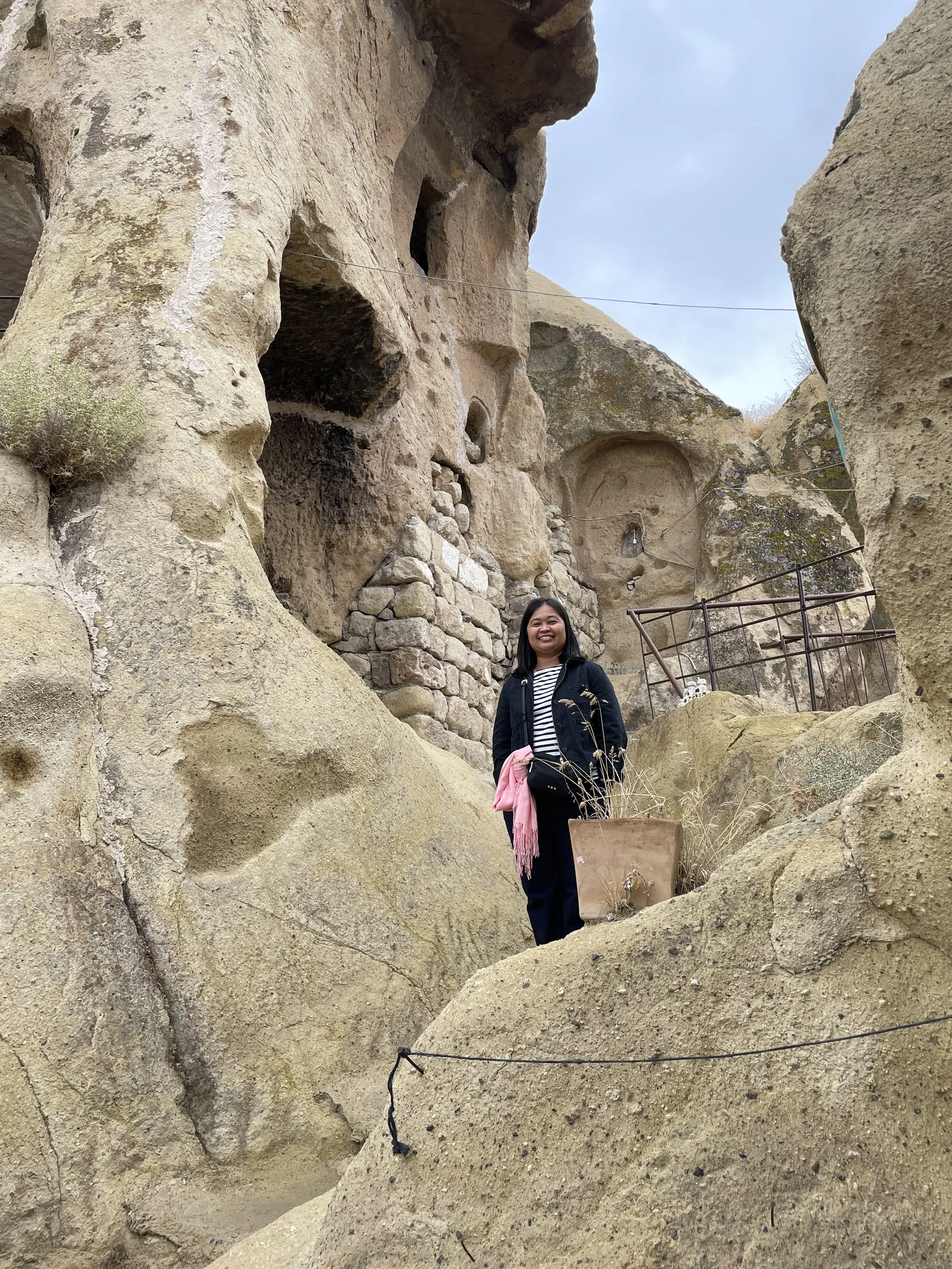
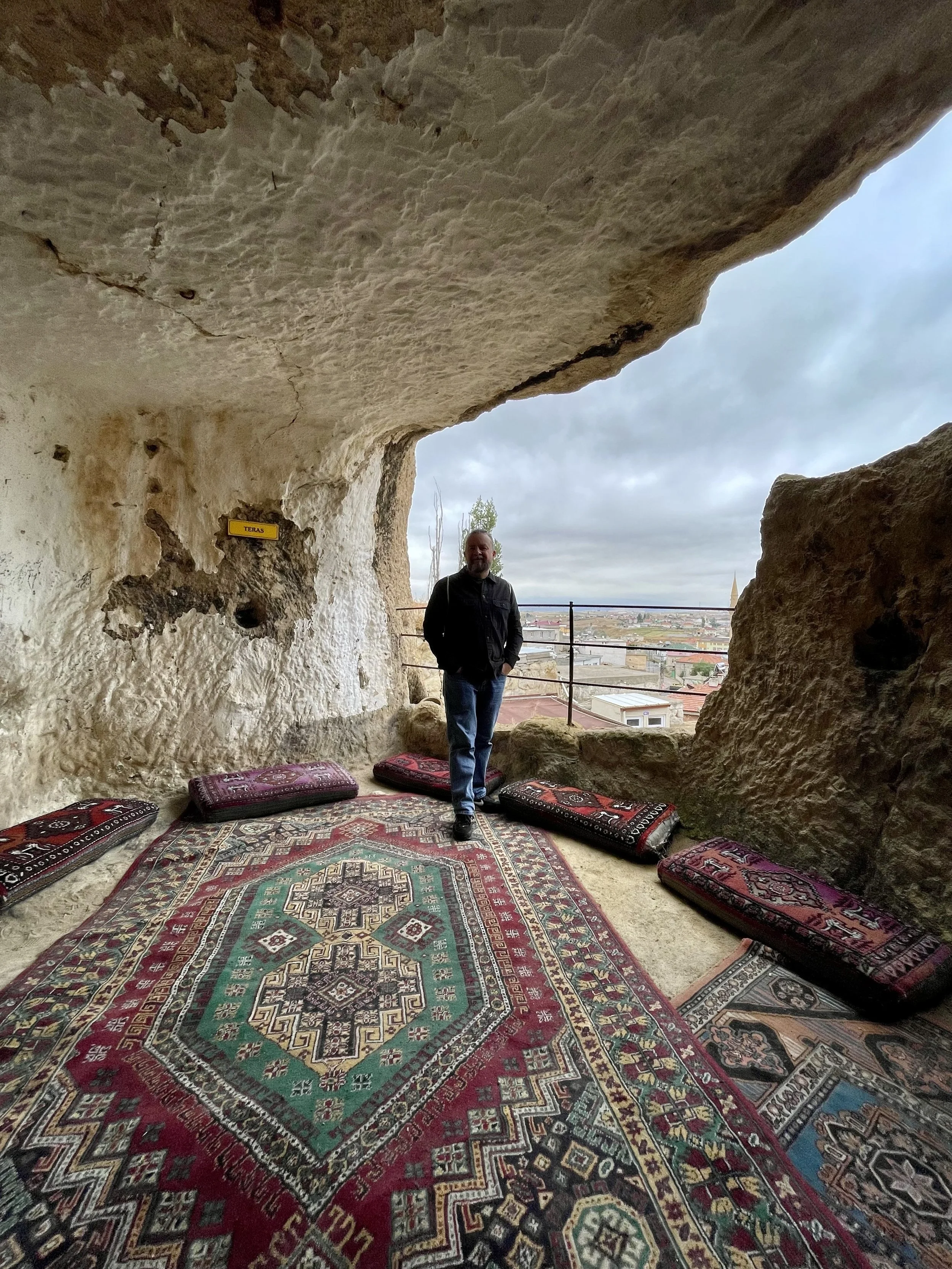
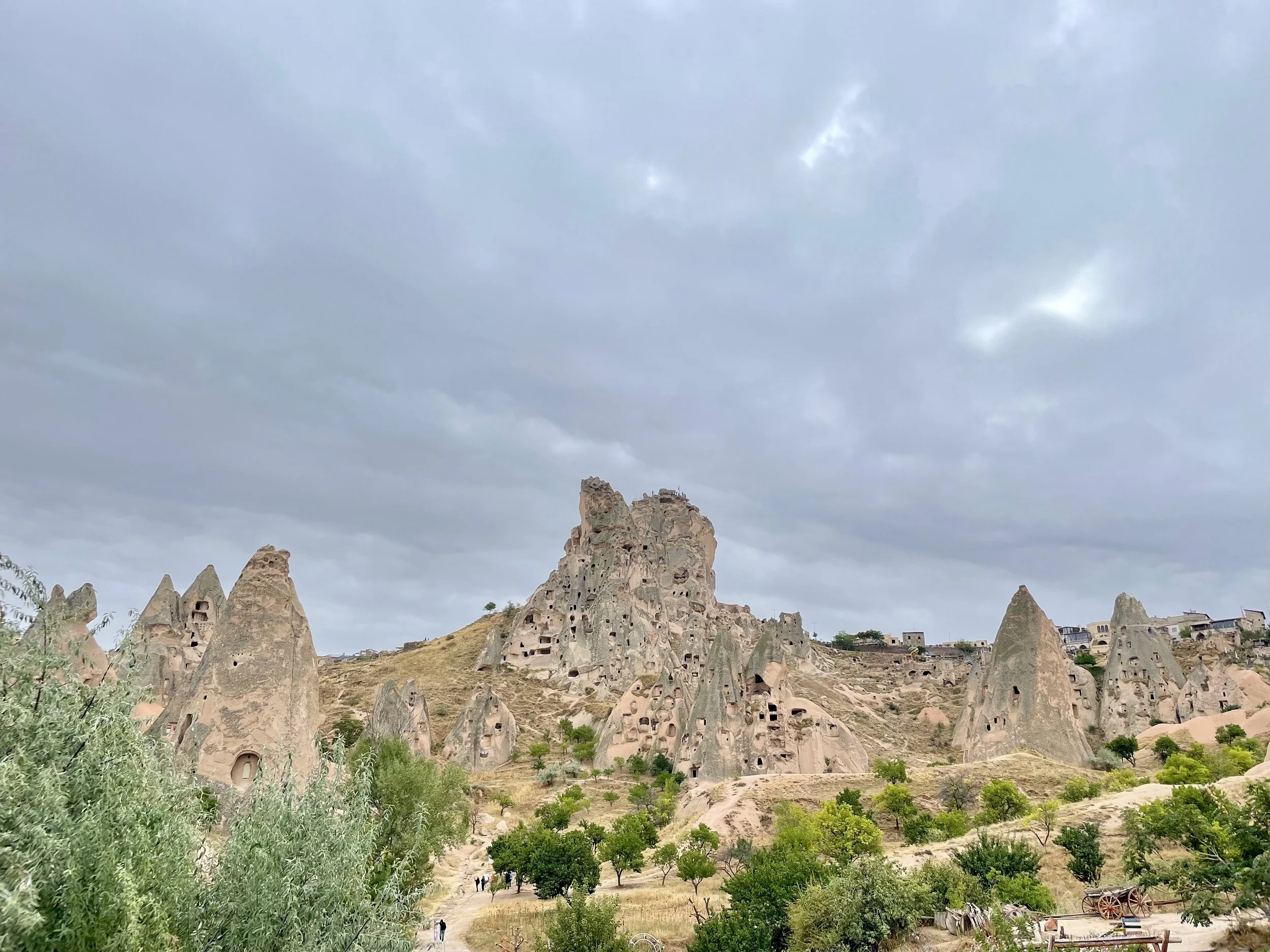
Next, we reached a viewpoint overlooking Uçhisar Castle, a towering fortress carved from a natural rock outcrop. Its origins lie in the Byzantine era, with Seljuks and Ottomans adapting it over centuries. From afar, its jagged silhouette stands like a silent guardian over the valleys. Climbing nearby vantage points reveals sweeping views of the surrounding landscape—valleys dotted with fairy chimneys, winding trails and small villages. The castle served as a crucial lookout post, its height offering strategic advantage during centuries of conflict. Standing there, you cannot help but feel the weight of history and the strategic genius behind its location.
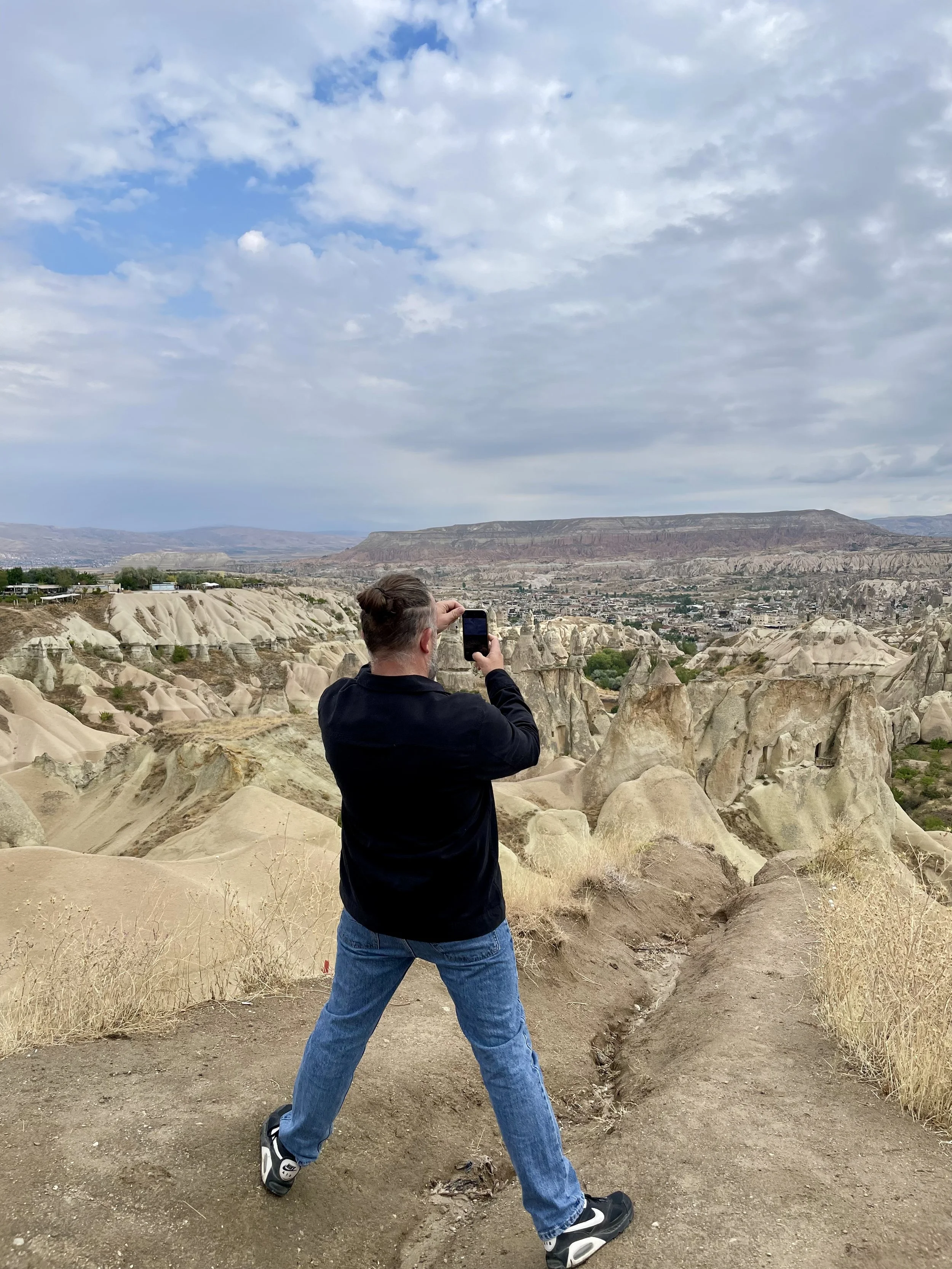
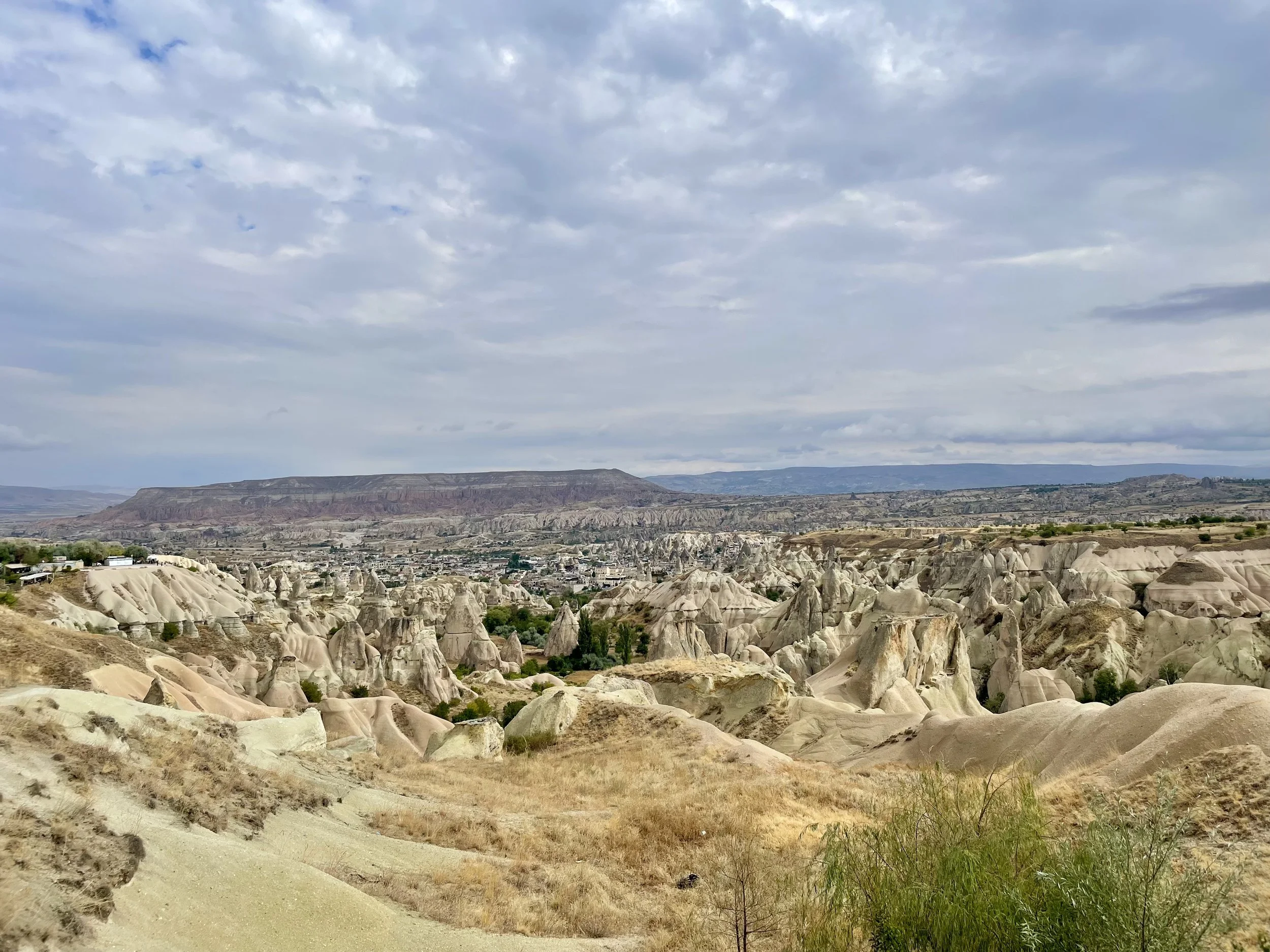
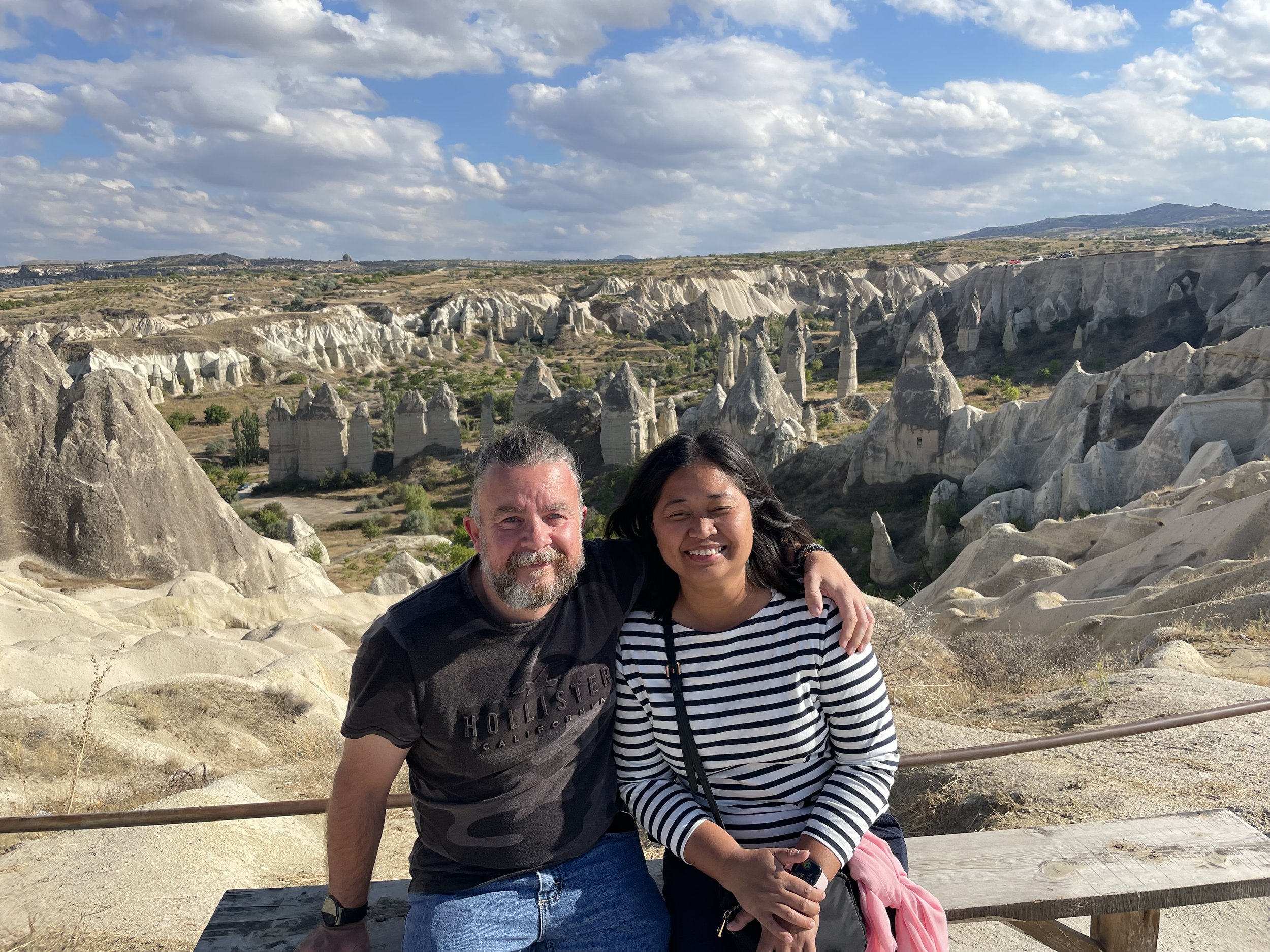
Next came the Göreme Panorama Viewpoint, a spot that lives up to its name with spectacular, wide-open views of Cappadocia’s most famous formations. From here, you see Göreme town nestled among clusters of fairy chimneys, the pink and red hues of the Red and Rose Valleys glowing especially at sunset, the distant fortress of Uçhisar Castle, and the striking stone pillars of Love Valley. This panorama reminds you how volcanic activity and erosion worked together over millennia to craft this otherworldly landscape. Fairy chimneys are natural pillars formed as softer rock erodes beneath harder volcanic caps. TThe Red and Rose Valleys owe their colours to iron-rich minerals, while Love Valley takes its name from the curious shapes of its stone pillars that have fascinated visitors for generations. It is an ideal spot to pause, take photos and soak in the scale and beauty of the region.
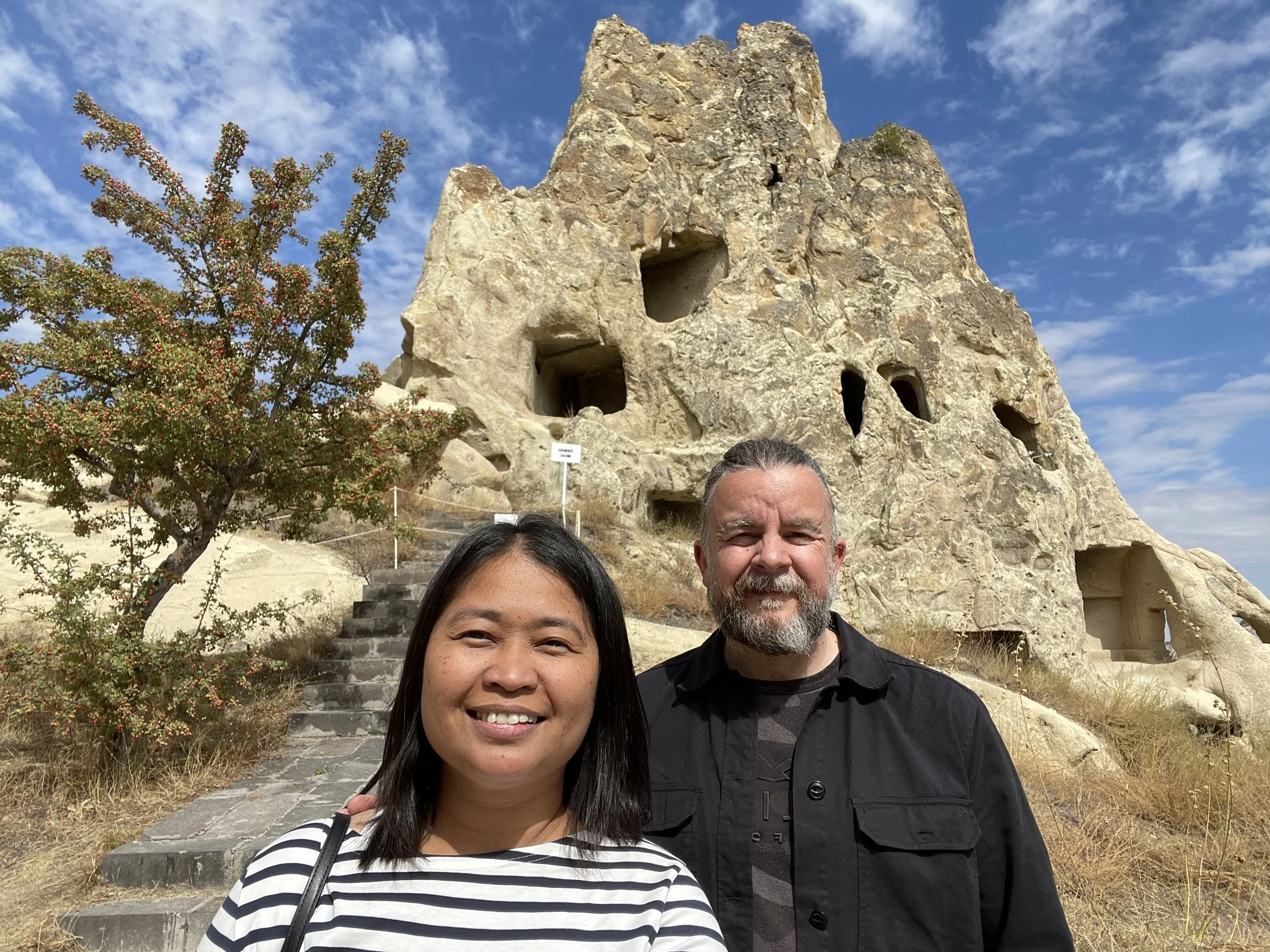
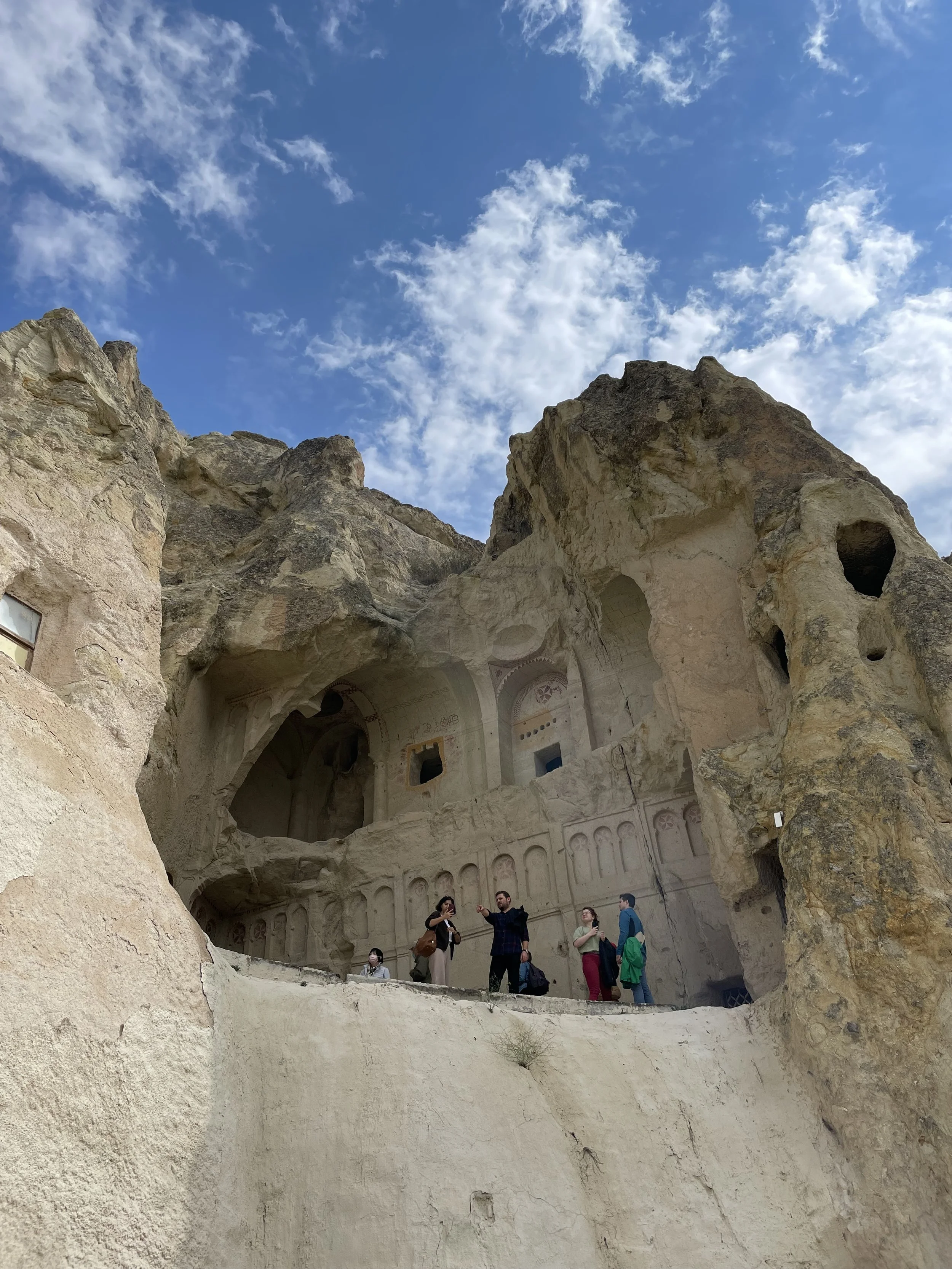
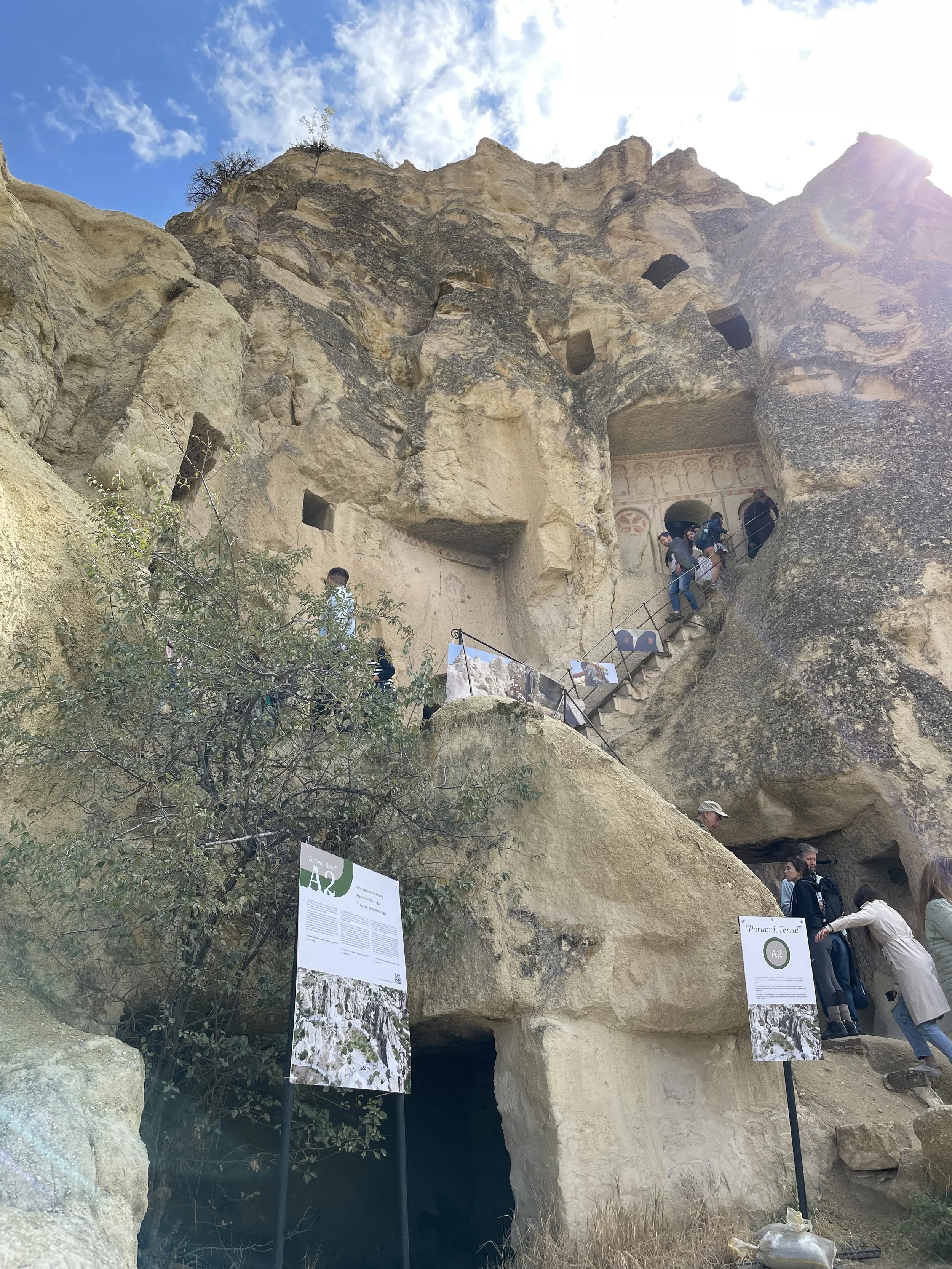
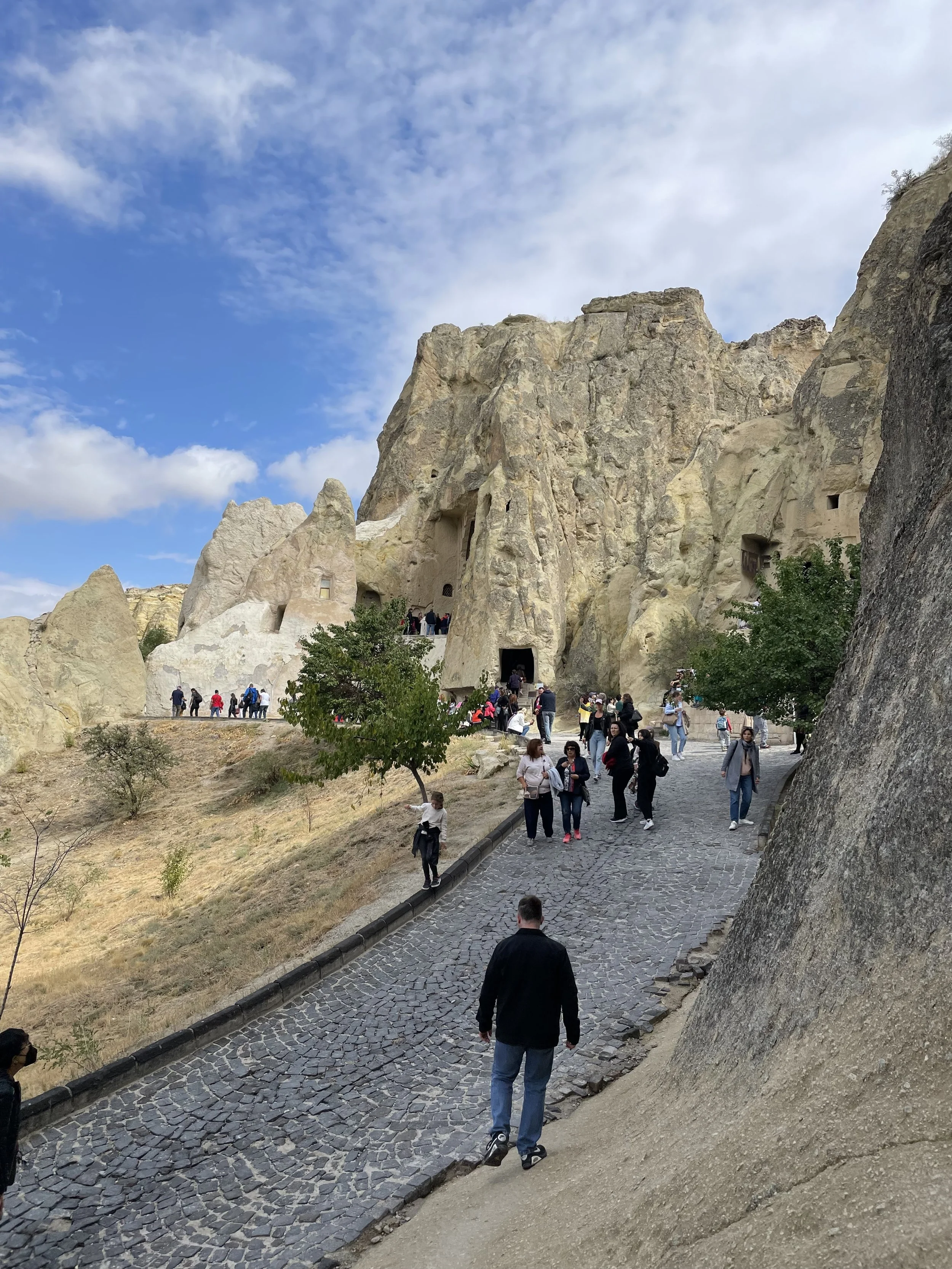
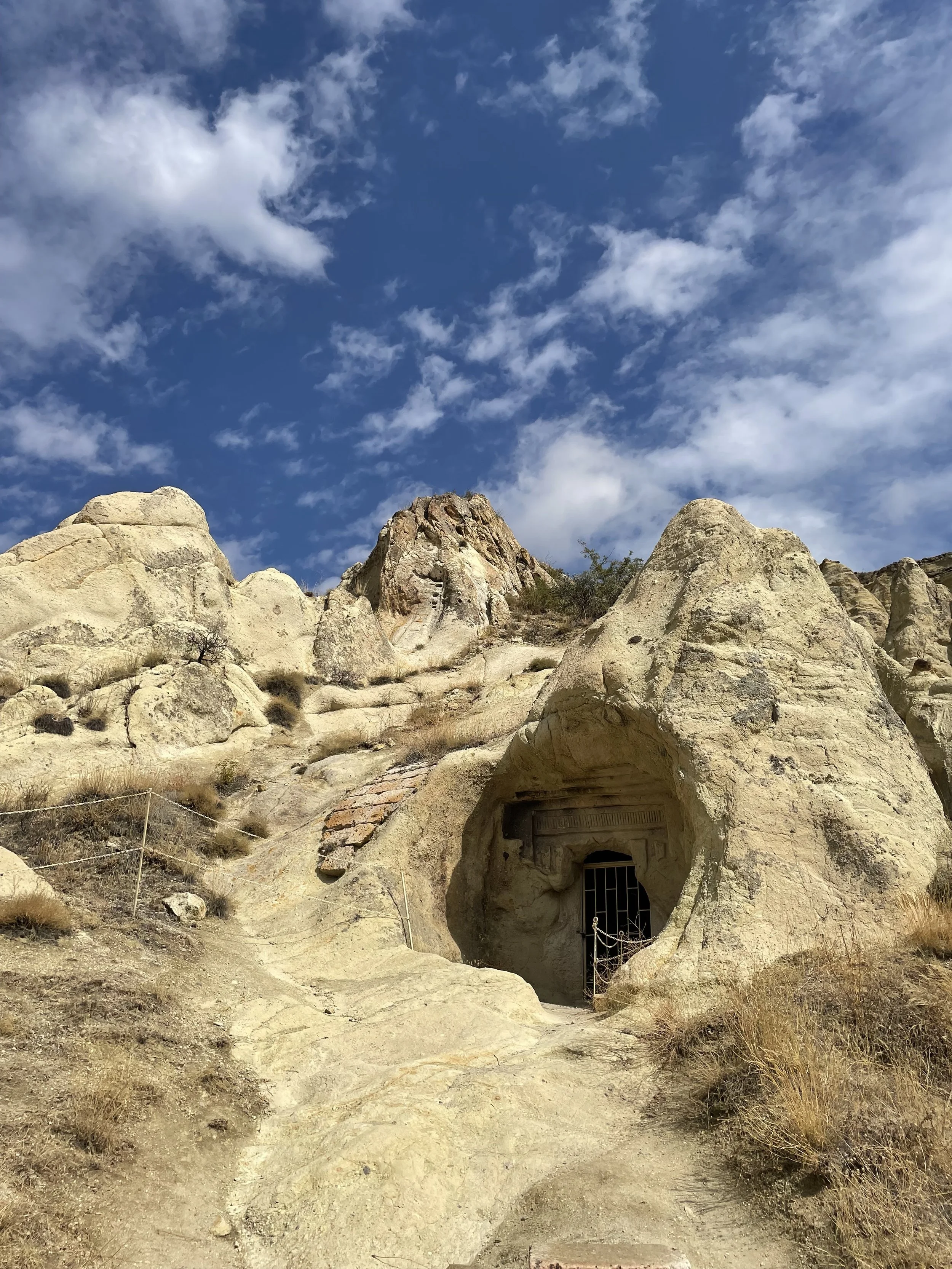
Finally, the Göreme Open-Air Museum invites visitors into Cappadocia’s spiritual core. This UNESCO World Heritage site is a vast monastic complex carved into rock, featuring dozens of chapels, churches and monasteries adorned with frescoes dating from the 10th to 12th centuries. These frescoes played a vital role in teaching Christianity to largely illiterate communities, with vivid biblical scenes and saints depicted. The Dark Church (Karanlık Kilise) is notable for its remarkably preserved paintings, shielded from light damage by its lack of windows. The complex reflects the religious life of Byzantine monks who lived in seclusion, away from political upheaval, shaping Cappadocia’s spiritual legacy. Photography is banned inside to protect these fragile works, encouraging you to experience the art and architecture without distraction. Walking through the narrow corridors and silent chapels like the Dark Church and Tokalı Church, you get a tangible sense of the devotion and artistry that shaped the area’s religious life.
Practical tips: start early to beat the crowds, wear sturdy shoes for uneven rocky terrain and bring plenty of water. The dry air can be surprisingly dehydrating. Dress in layers to adjust for temperature changes between underground and open-air sites. Respect the fragile heritage by following rules, especially the no-photography policy inside churches.
Cappadocia is a place that stays with you long after you leave. Its blend of ancient ingenuity and stunning landscapes invites you to slow down and truly connect with history and nature. Whether wandering underground tunnels or gazing across valleys painted by time, you come away with more than photos—you gain a sense of the enduring human spirit carved into every rock.