
Trinity College and the Dublin Hop-On Hop-Off Bus
After a full day walking Dublin, we wanted to keep exploring the next day, but at a pace that didn’t feel like we were training for a marathon. Dublin is compact, but it’s the kind of compact where you still end up doing a ridiculous number of steps without realising it.
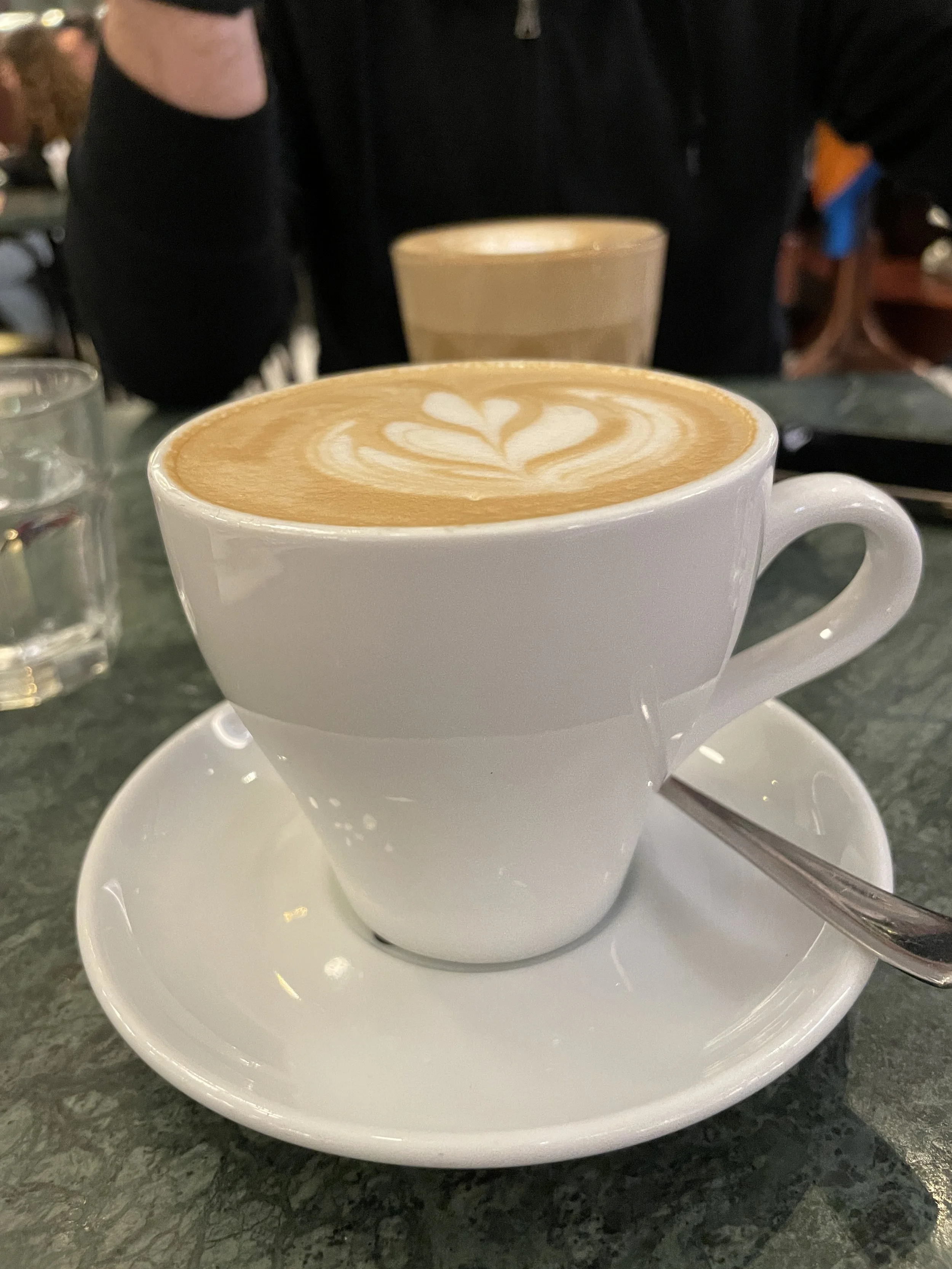
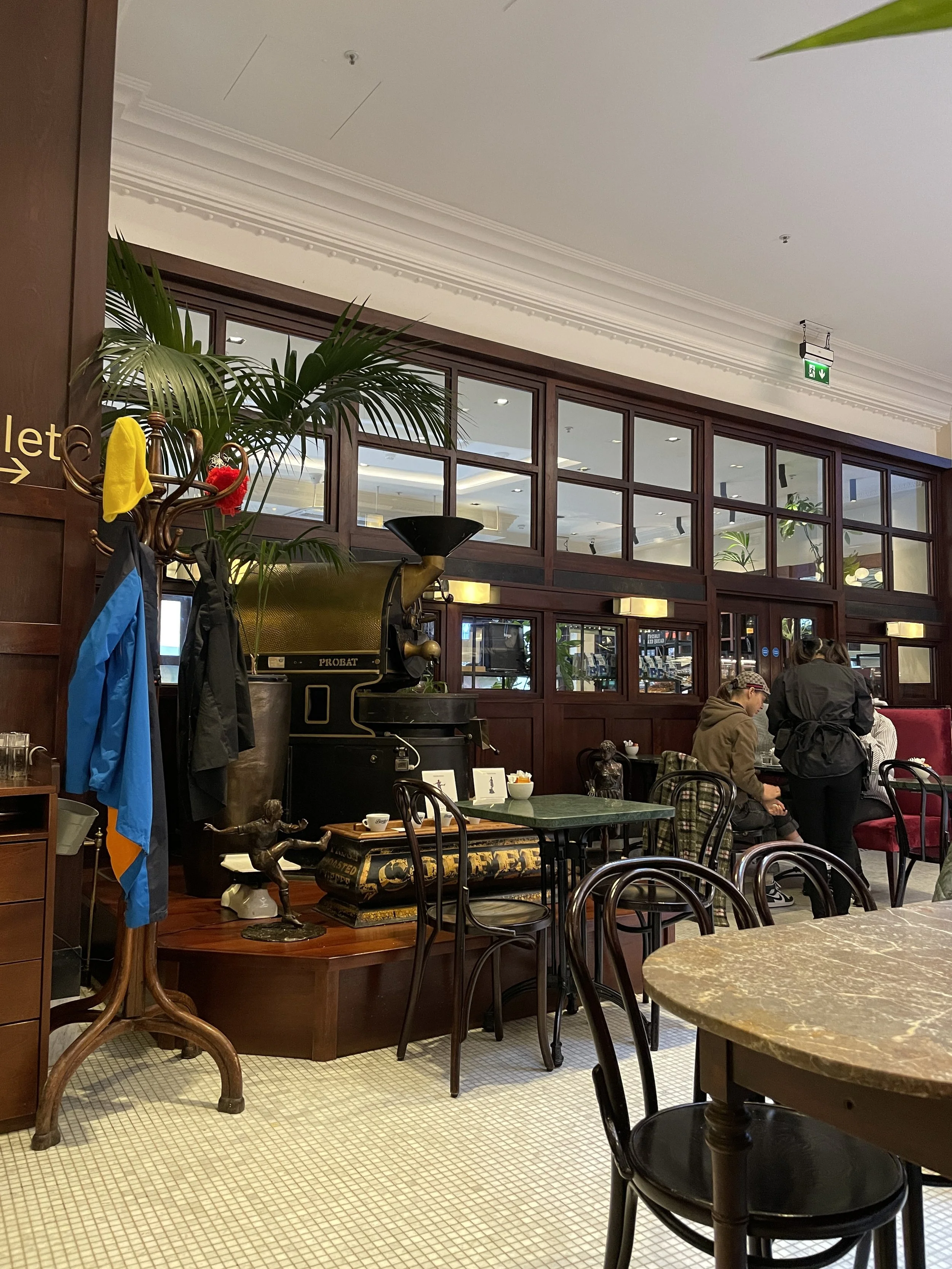
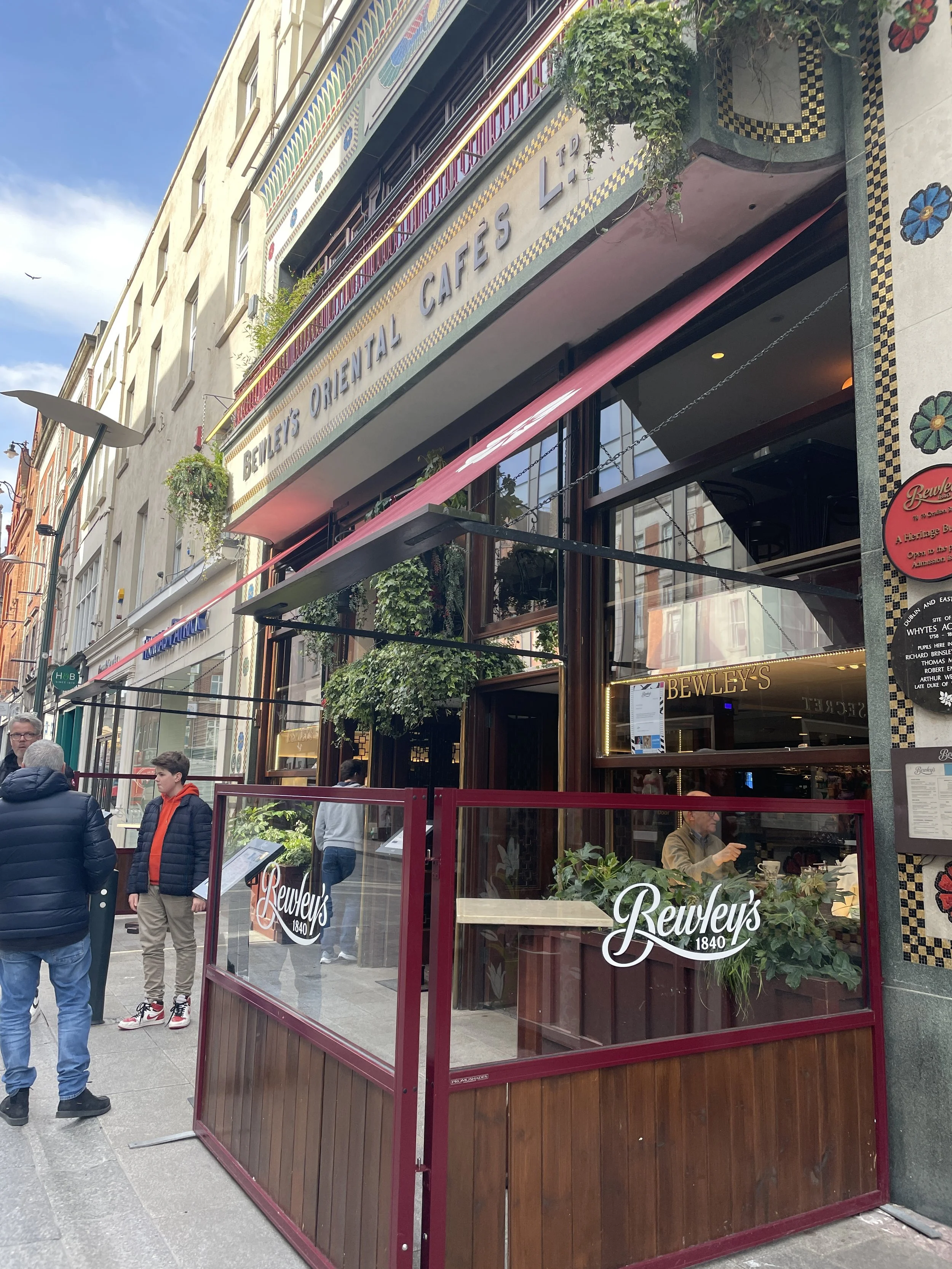
We started with breakfast at Bewley’s on Grafton Street, and it immediately felt like one of those “this is so Dublin” moments. It’s been around since the 1920s and has that classic café atmosphere that makes breakfast feel like part of the trip rather than just fuel. I had a full Irish breakfast here, and it was exactly what I needed before another day of sightseeing.

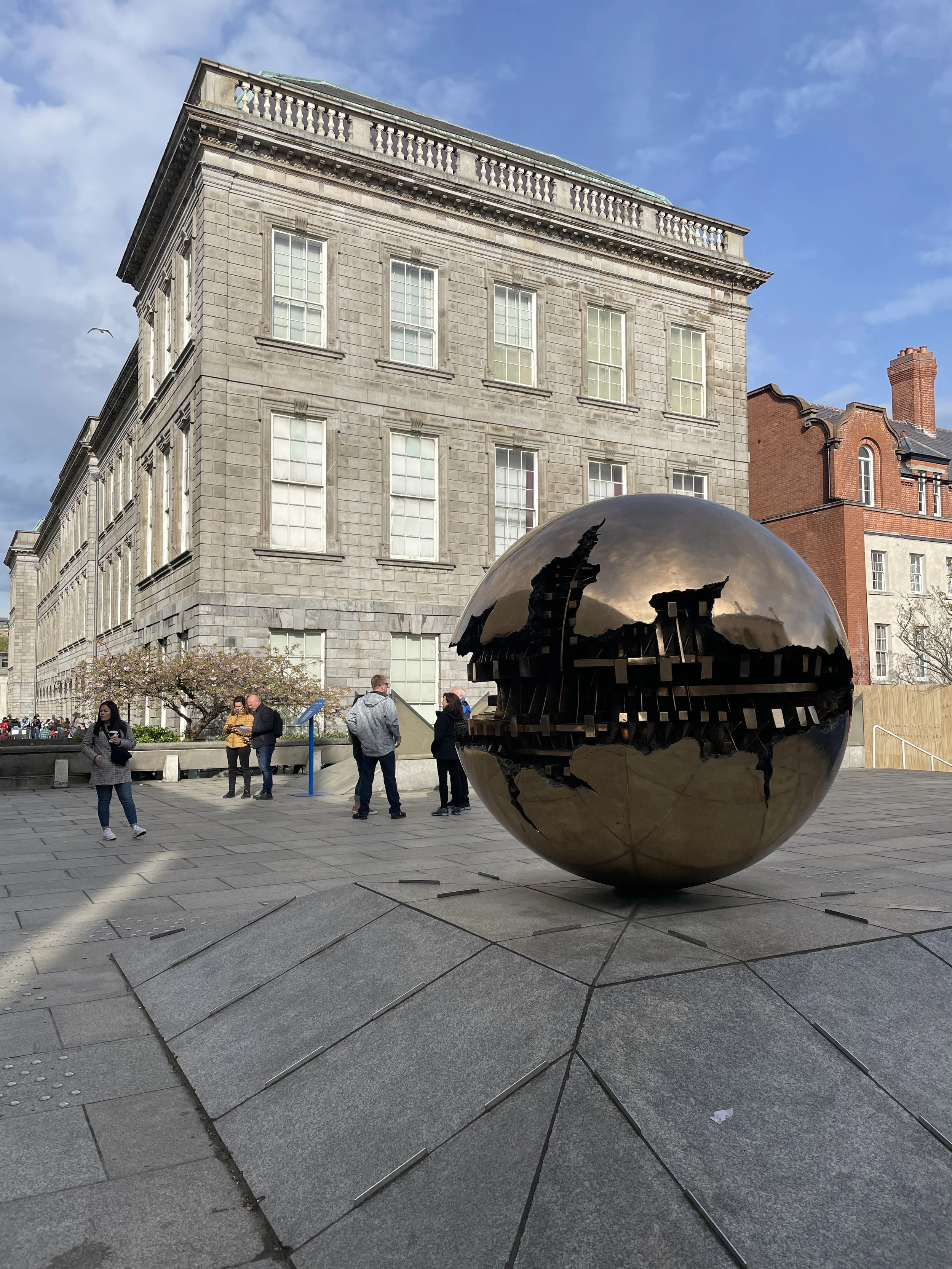
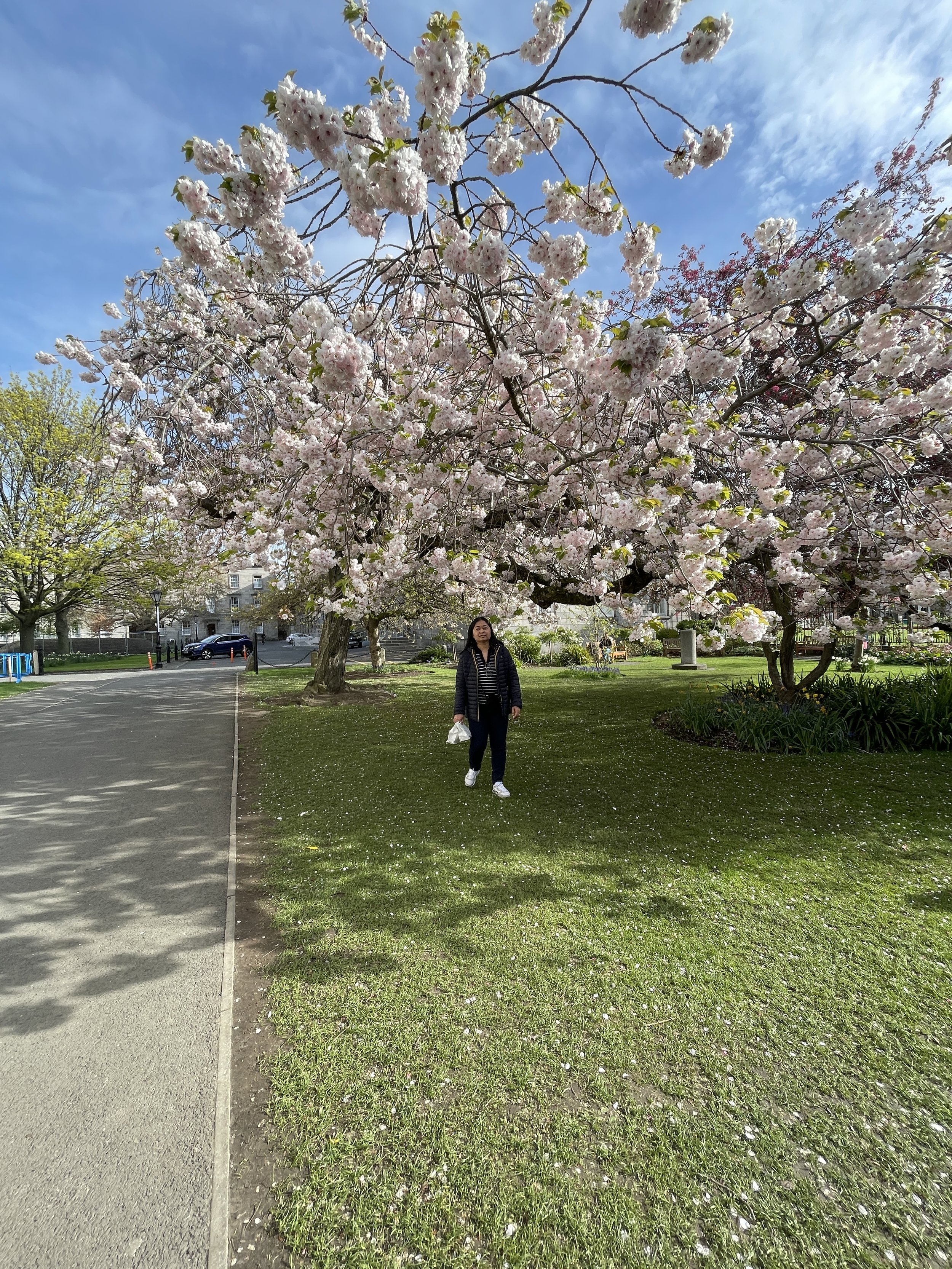
From there, we headed to Trinity College, and the best way I can describe it is that it feels like a pocket of calm in the middle of the city. The second you step into the grounds, everything feels quieter. It was still busy, because Dublin is always busy, but the atmosphere is completely different from the streets outside. It felt more spacious, more settled, and slightly removed from the rush of the city centre.
Trinity College is one of Dublin’s most iconic landmarks, founded in the late 1500s, and it carries that sense of age without feeling intimidating. Even if you’re not someone who gets excited about universities, it’s hard not to enjoy walking through a campus that’s been shaping Irish education for centuries. It’s also one of those places that makes you stop and look properly, because the architecture is part of the experience.
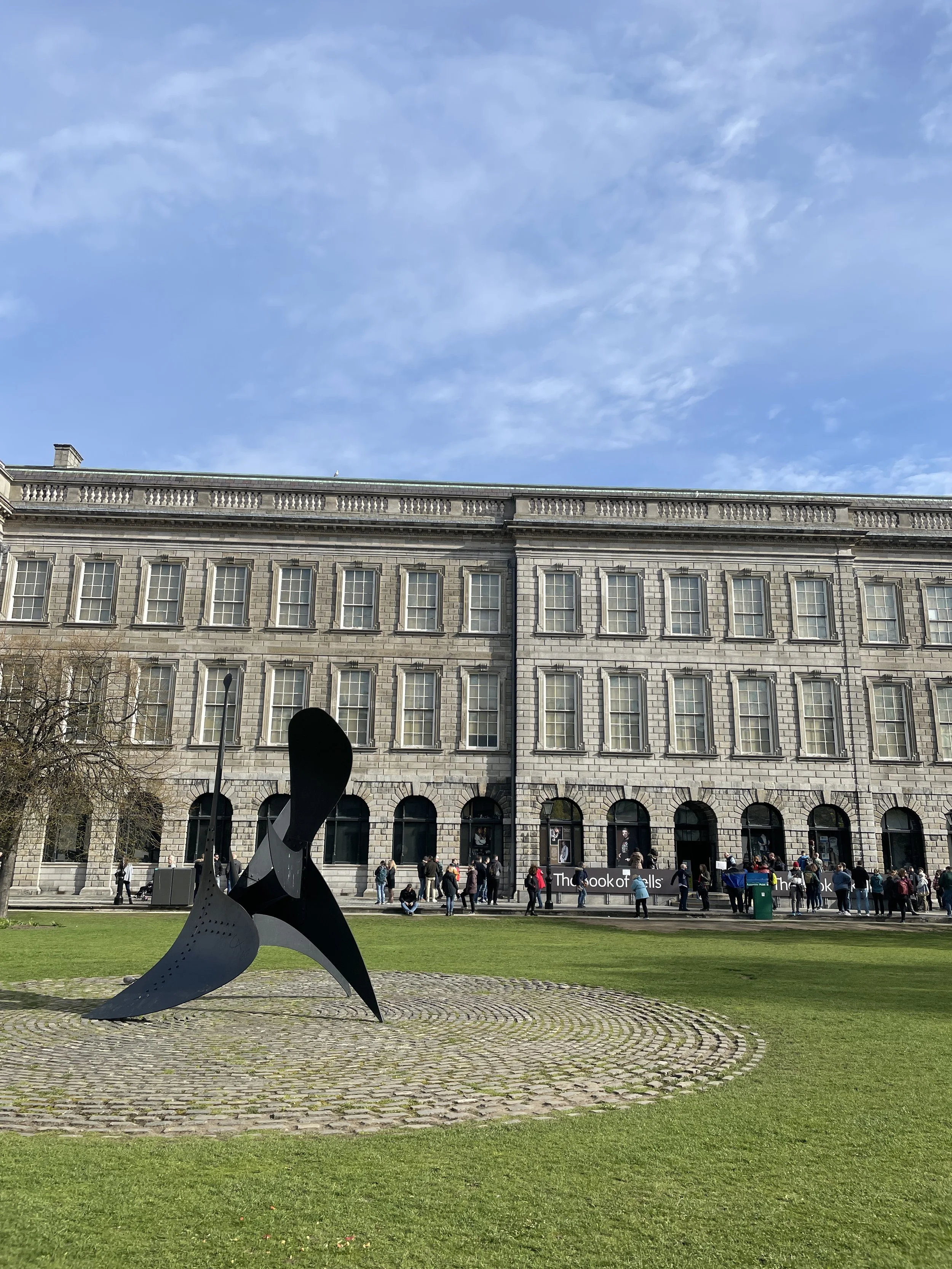
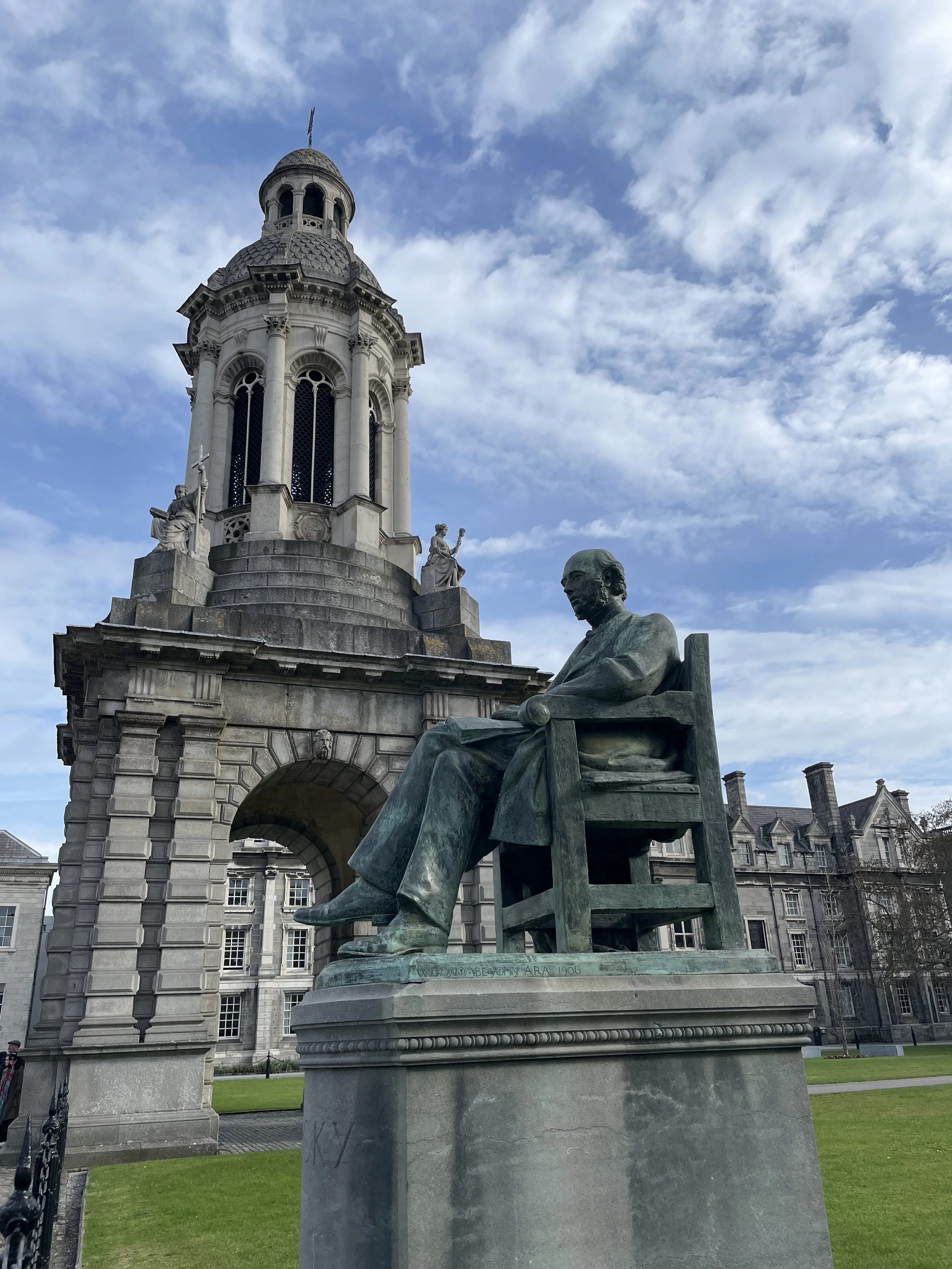
The most famous building here is the Old Library, home to the Book of Kells, and even if you don’t go inside, it still feels like the heart of Trinity. It’s one of those places that sits high on every Dublin itinerary for a reason. Nearby, the Campanile is another classic Trinity sight. It’s one of the most photographed spots in the grounds, and it’s the kind of landmark that makes Trinity feel instantly recognisable even if you’ve never been to Dublin before.
What I loved most was how Trinity manages to feel historic and lived-in at the same time. It isn’t a museum campus. Students still walk through it, tourists weave around them, and the whole place has this balance of old and everyday. After a busy first day of castles, cathedrals and city streets, Trinity felt like the perfect second-day stop. Not rushed, not overwhelming, just quietly impressive.
After Trinity, we hopped on the City Sightseeing Dublin hop-on hop-off bus and did the Red Route. This is the kind of thing that can sound a bit touristy, but it’s touristy for a reason. It works. It gives you a wider view of the city, connects the dots between neighbourhoods, and gives your feet a proper break without feeling like you’ve stopped exploring.
The Red Route covers a lot more than you might expect. It includes stops for Trinity College and the Book of Kells, Dublin Castle and City Hall, Christ Church Cathedral and Dublinia, St Patrick’s Cathedral and Marsh’s Library, and then swings through major Dublin icons like the Guinness Storehouse. It also includes multiple distilleries, the Irish Museum of Modern Art (with Kilmainham Gaol nearby), Phoenix Park and Dublin Zoo, Collins Barracks and the National Museum, Smithfield and the Old Jameson Distillery, Temple Bar and the Irish Rock & Roll Museum, and cultural stops like the Hugh Lane Gallery and the Garden of Remembrance.
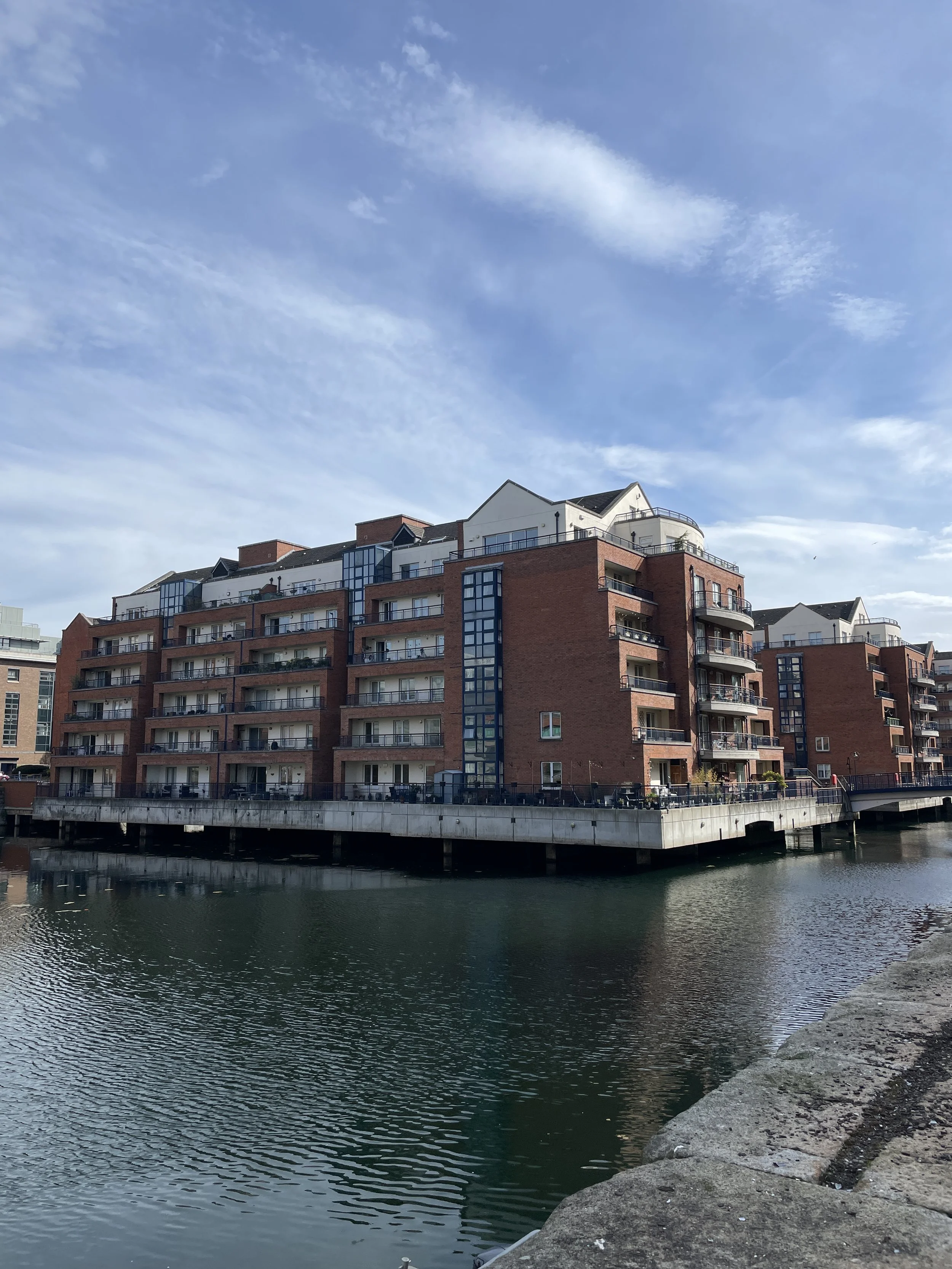
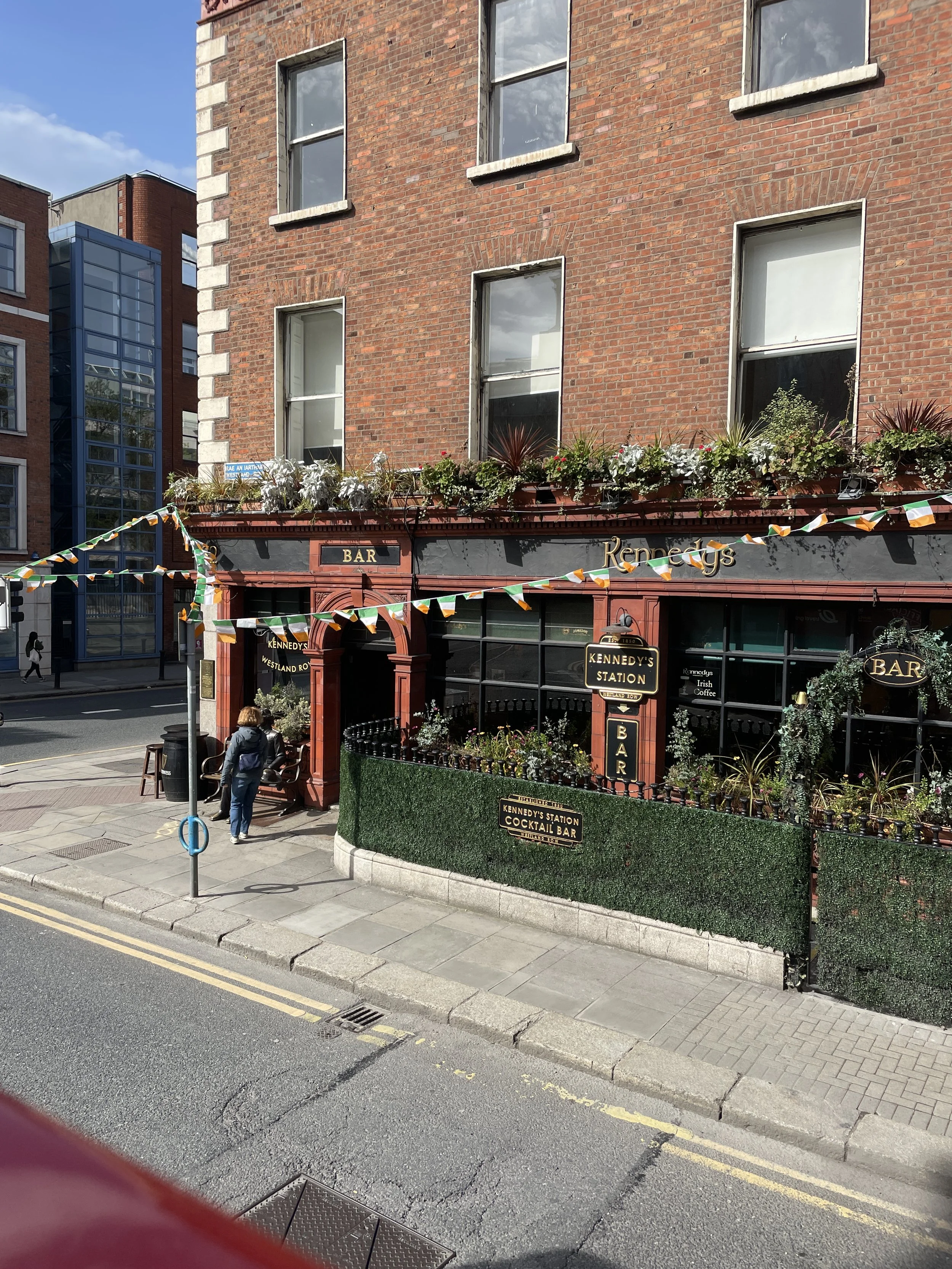
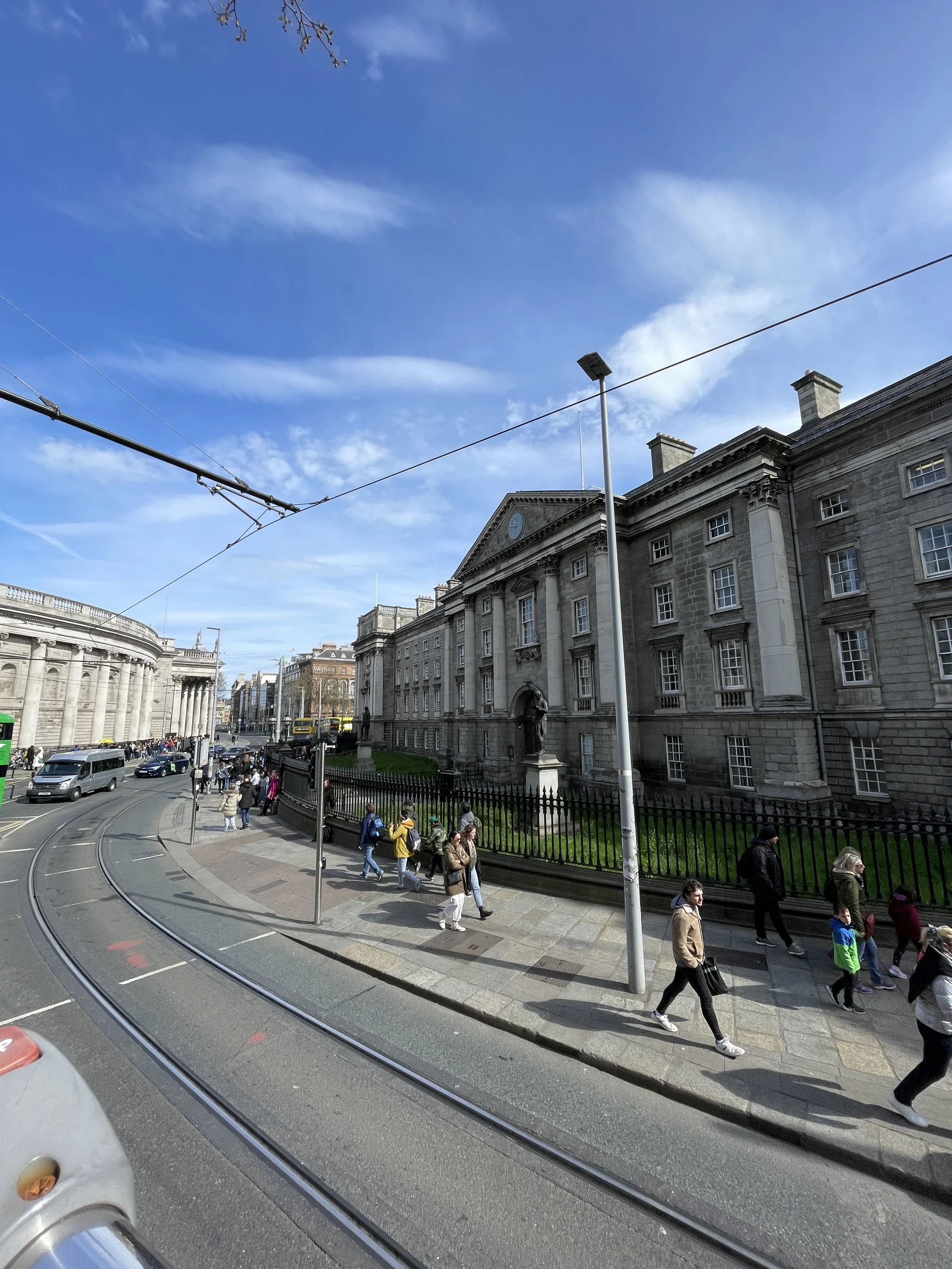
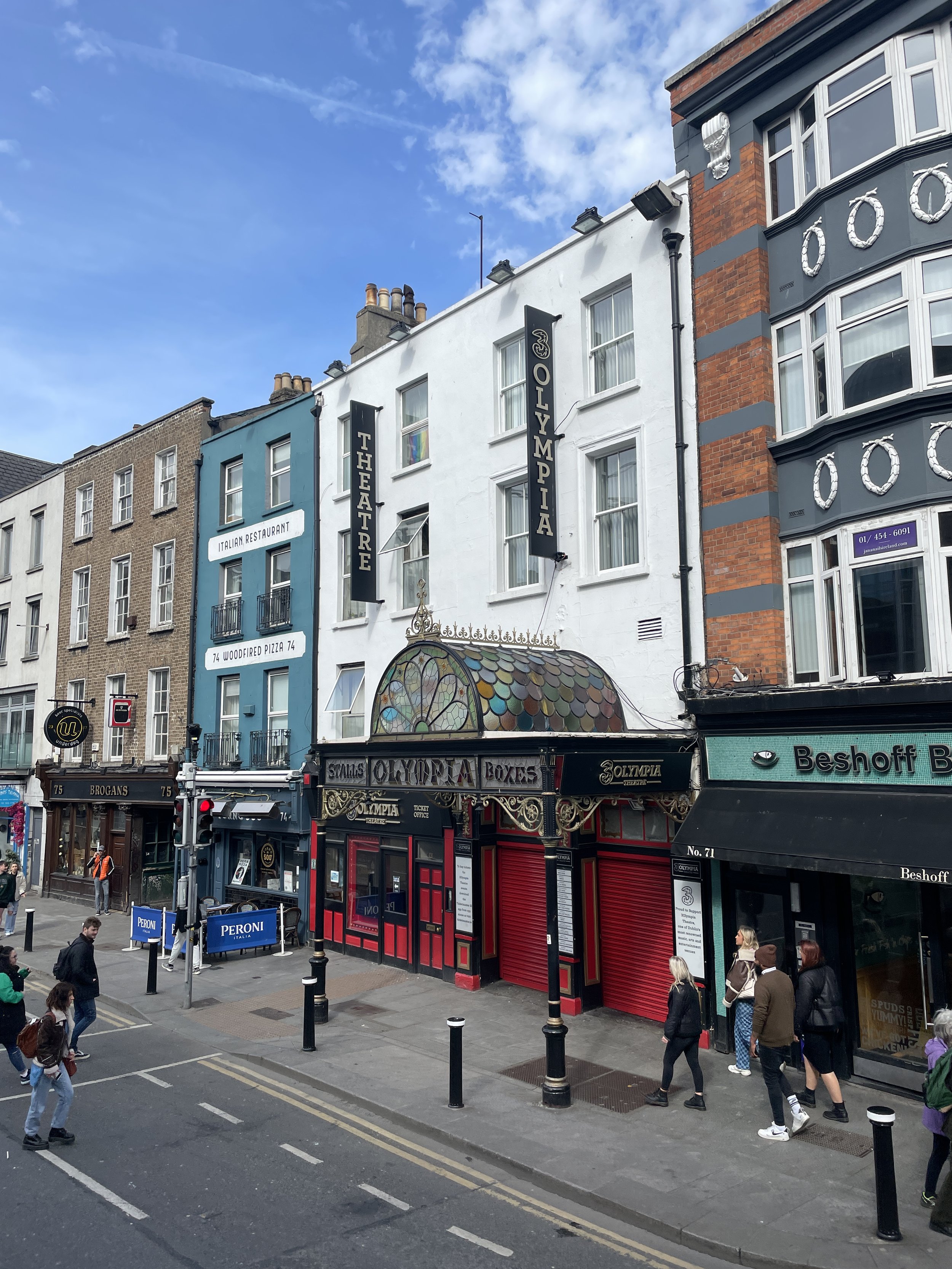
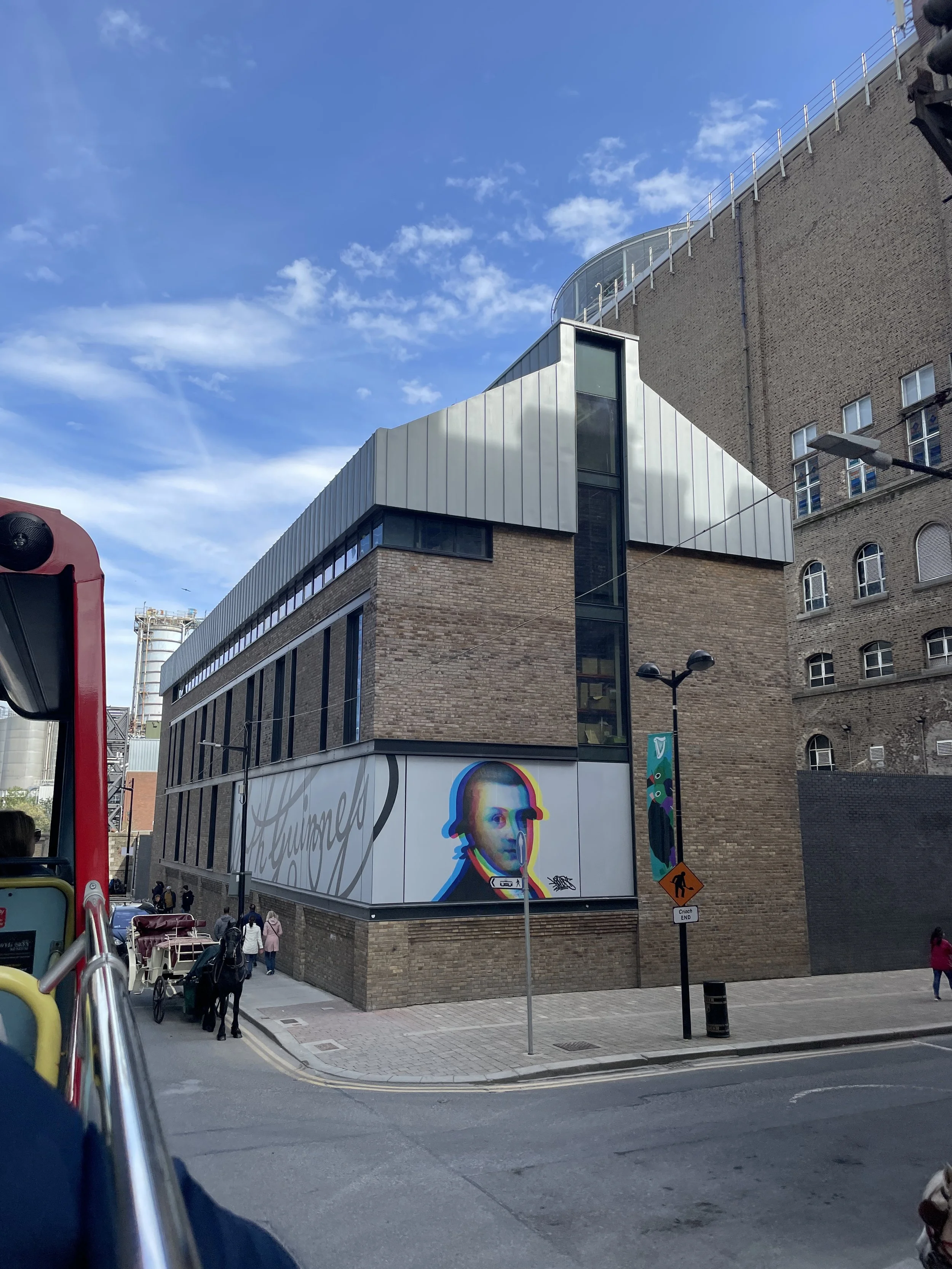
It also passes through the heart of the city again, including O’Connell Street, the GPO, and the area around EPIC and the Jeanie Johnston, before heading towards modern Dublin landmarks like the Samuel Beckett Bridge, the Convention Centre, and Grand Canal Dock. Towards the end, it loops back past Merrion Square, the Natural History Museum, the National Gallery, St Stephen’s Green, the Little Museum of Dublin, and the Mansion House.
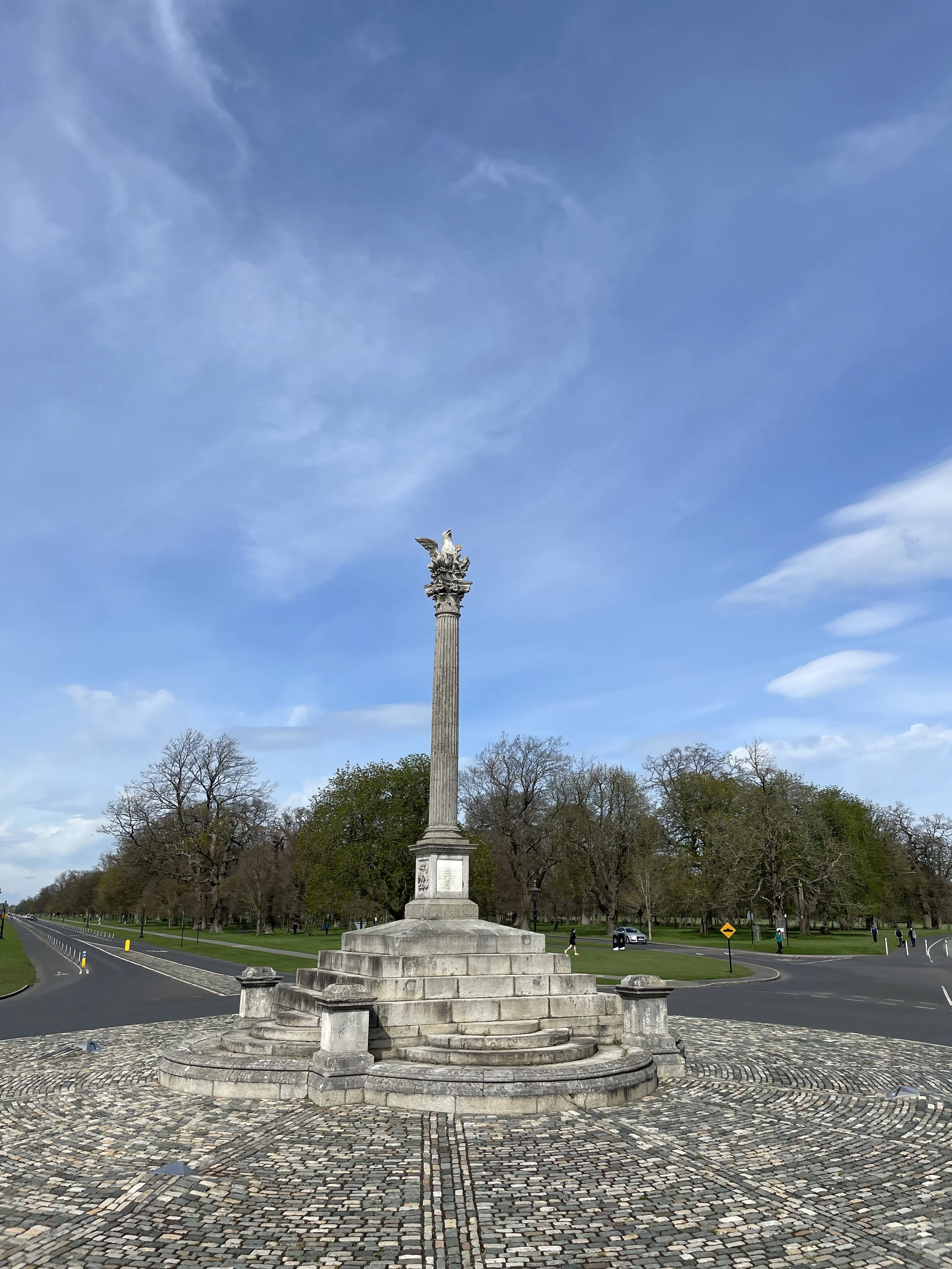

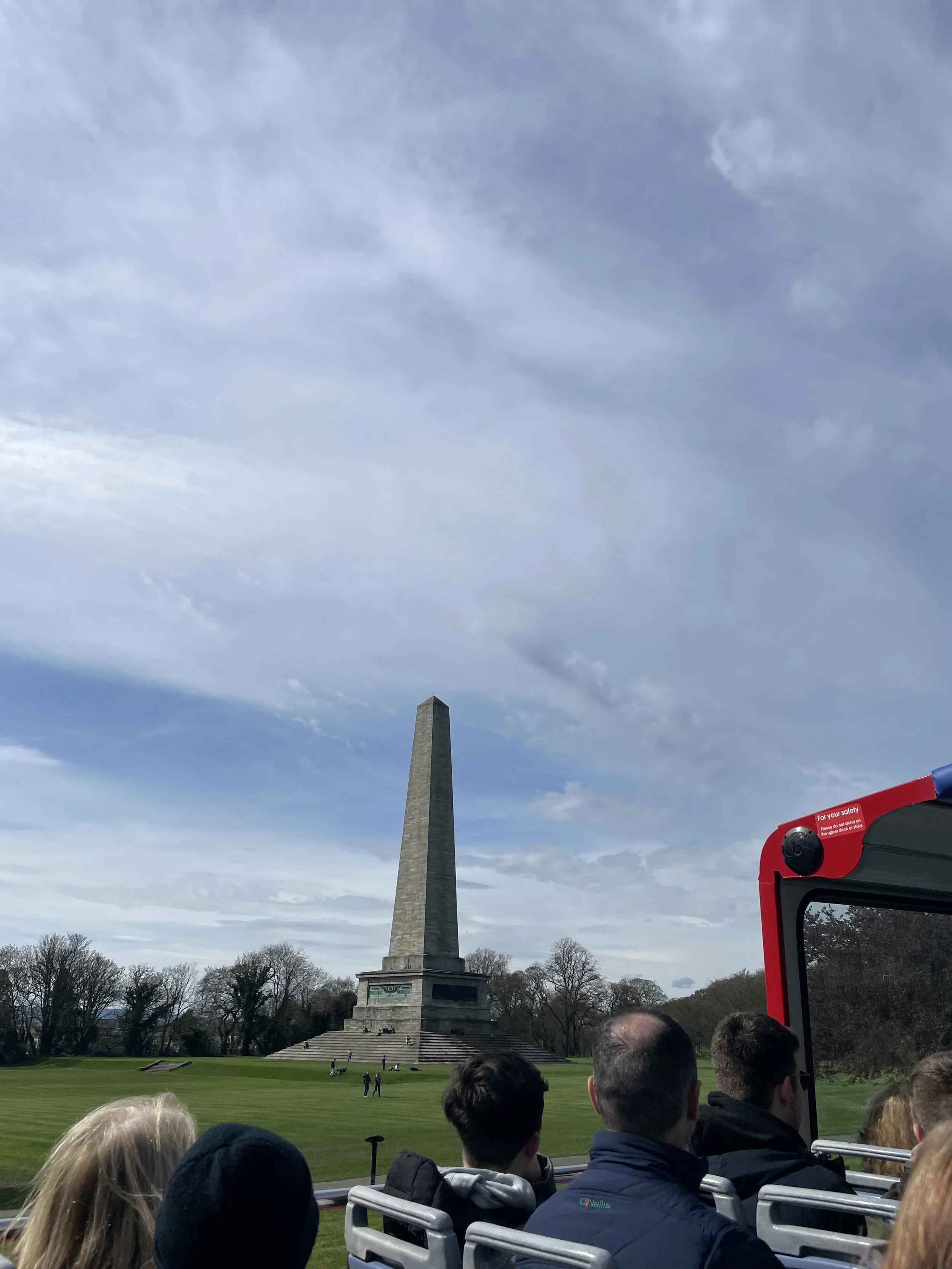
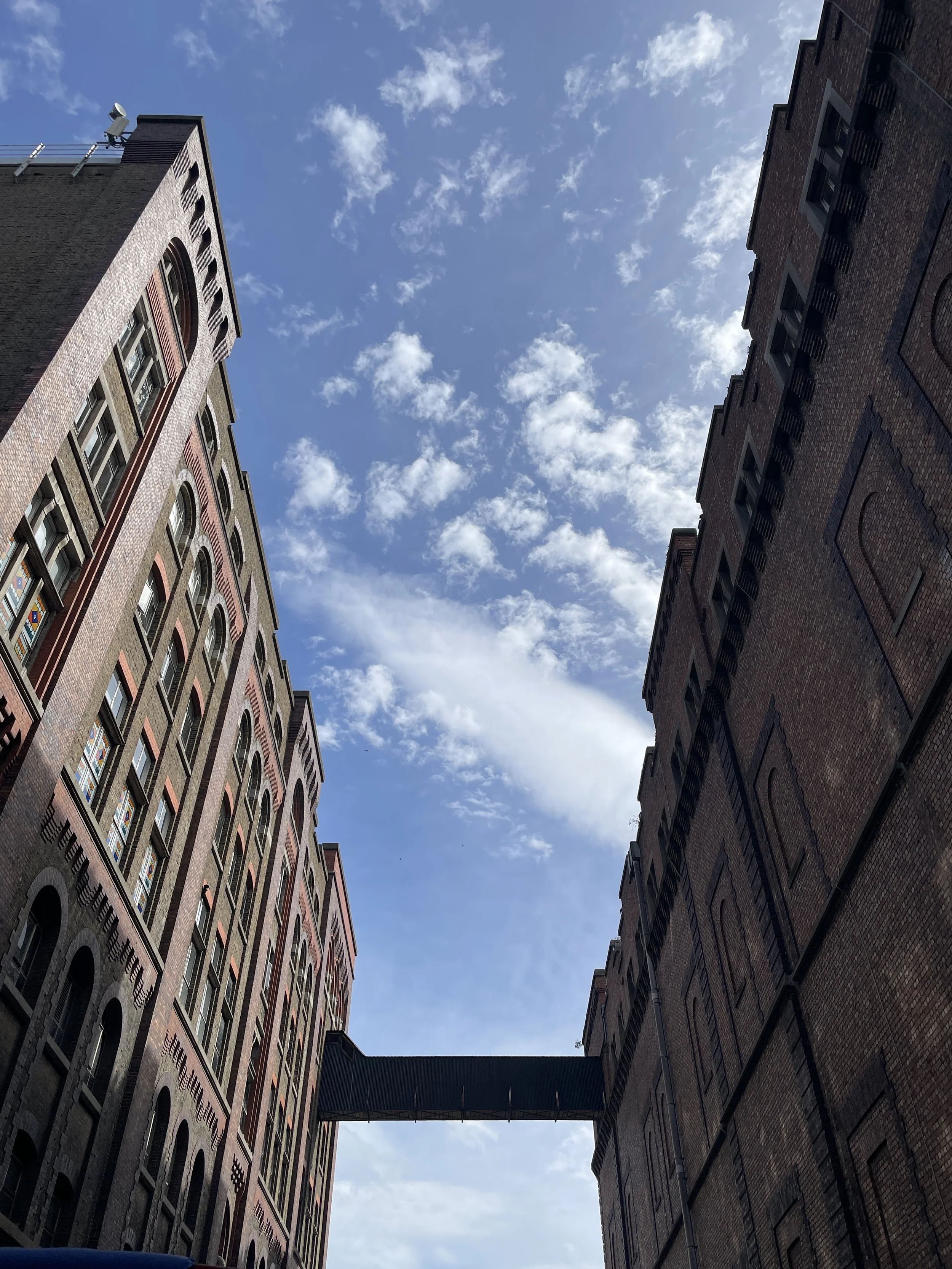
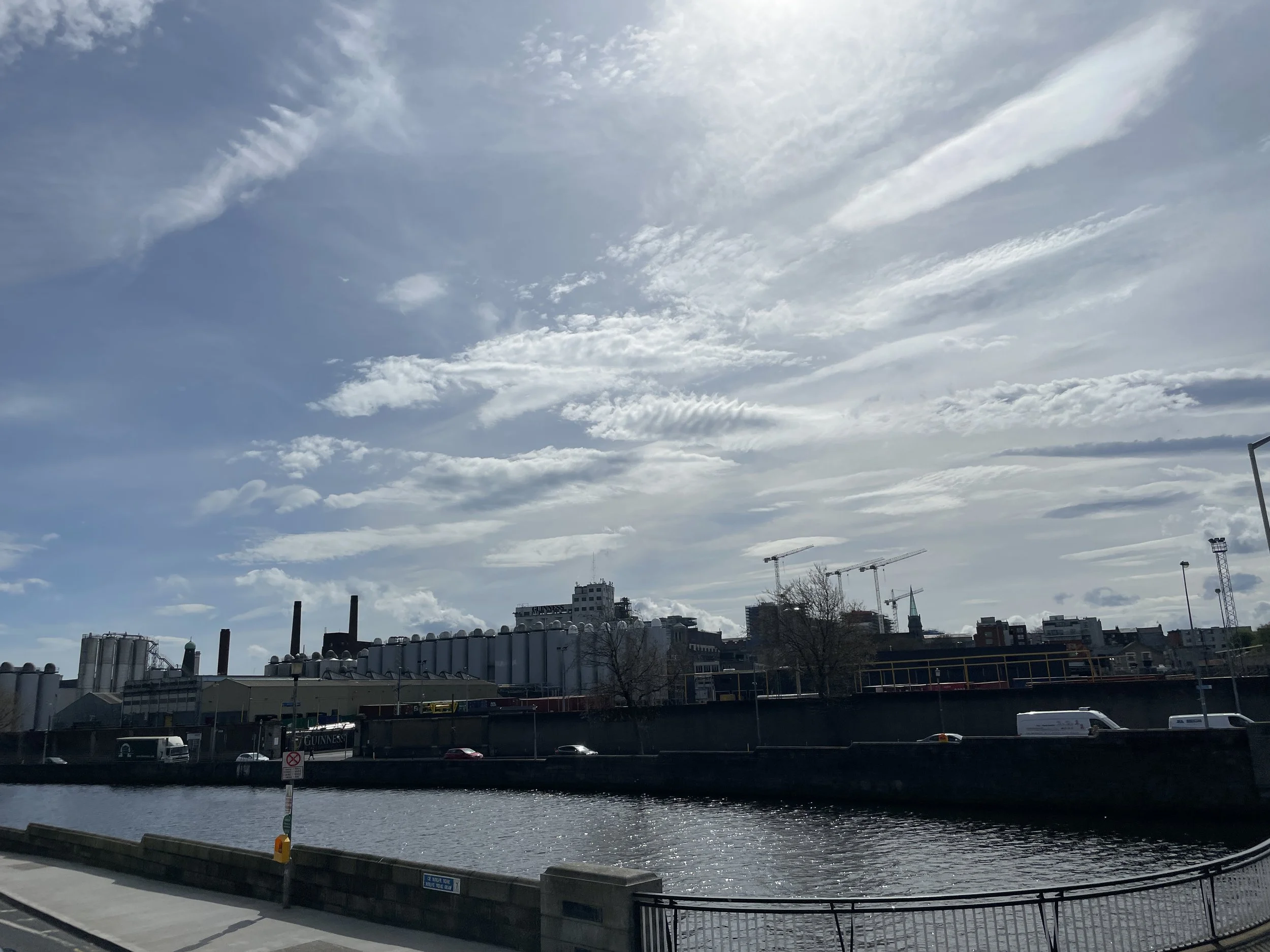
Even if you don’t hop off at loads of stops, just sitting on the route gives you a much better sense of Dublin as a whole. It’s one thing walking between landmarks in the centre, but it’s another seeing how the city stretches out and changes. It made us realise how much more Dublin still has to offer if we ever come back with more time.
After the bus loop, we finished with ice cream from Cloud Nine, because Dublin had already set a standard for this trip and we were simply respecting it.
If your first day in Dublin is walking-heavy, the hop-on hop-off bus is genuinely one of the best ways to slow things down without missing out. It’s especially good for first-timers, because it covers so many key sights in one route and makes the city feel easy to navigate.
