
Peja’s Hidden Monastery: History, Frescoes… and a Nun Who Haunts You
“Nothing prepares you for a nun suddenly appearing behind you shouting—trust us, we learned the hard way.”
Two years ago, we were on a coach trip in Kosovo with Explore, and one of the stops on our pre-booked itinerary brought us to the peaceful foothills near Peja, standing at the entrance to Rugova Canyon. There, tucked beside the Peć Bistrica River, we came across one of the Balkans’ hidden gems—the Patriarchate of Peć Monastery.
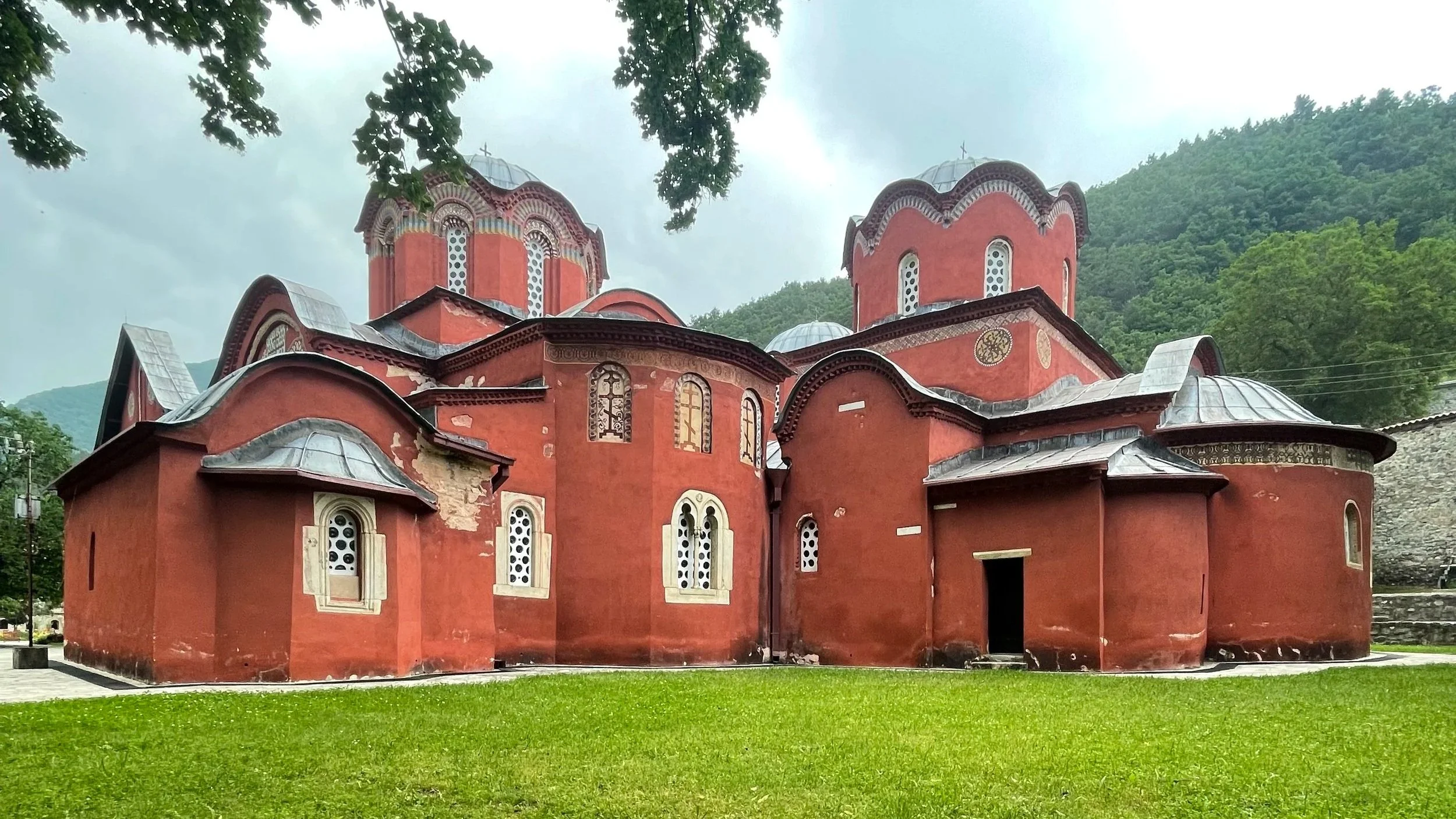
It’s not the kind of place that screams for attention, but the moment you step inside, you’re pulled into centuries of history. This medieval complex dates back to the 13th century and became the seat of the Serbian Patriarchate in the 14th century. It’s made up of four churches, each with its own story:
Church of the Holy Apostles – the original core, built between 1230 and 1240. Its modest exterior hides frescoes that are some of the oldest in the complex.
Church of St. Demetrius – completed by 1324, featuring rich fresco cycles and ornate iconography that reflect the height of Serbian medieval artistry.
Church of the Holy Mother of God (Hodegetria) – finished in 1337, dedicated to the Virgin Mary, with frescoes depicting saints and biblical scenes that have survived remarkably well.
Chapel of St. Nicholas – smaller and attached separately, without a dome, it adds an intimate, quiet space within the larger complex.
Three of these churches are interconnected by a monumental narthex, giving the illusion of one continuous grand building. Walking through, you really appreciate the Serbo-Byzantine architectural style—the domes, frescoed walls, and intricate carvings create an immersive medieval experience.
The frescoes are breathtaking, and seeing them up close gives a real sense of the artistry and devotion of the time. We also discovered the hard way that photos and videos aren’t allowed inside. Our group hadn’t realised, so we snapped a few anyway. That’s when a nun—or maybe a ghostly warden of the monastery—suddenly appeared behind us, shouting. We were so scared. The way she walked away, almost gliding across the floor, made it even creepier—honestly, it felt like something out of a medieval thriller.
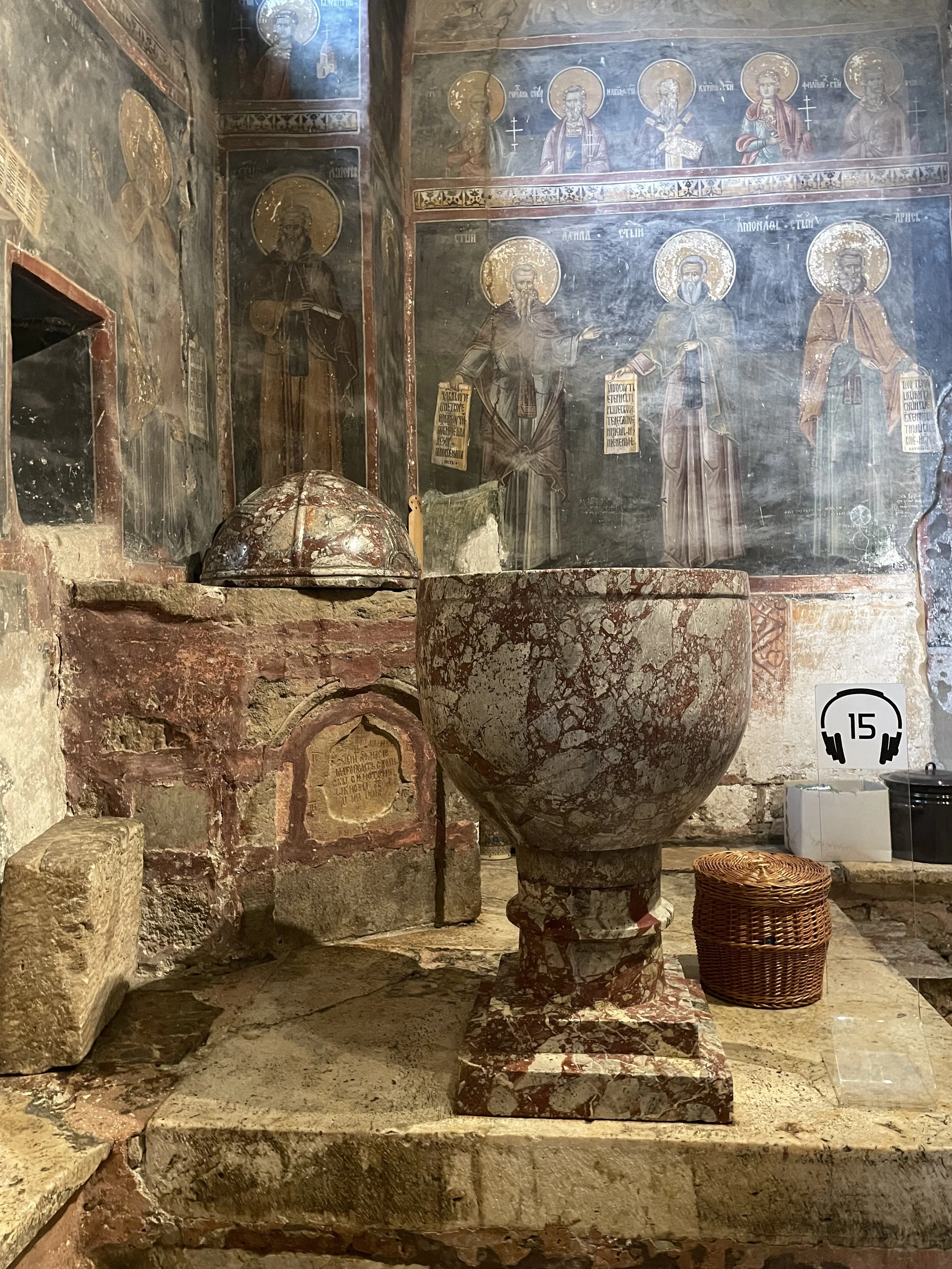
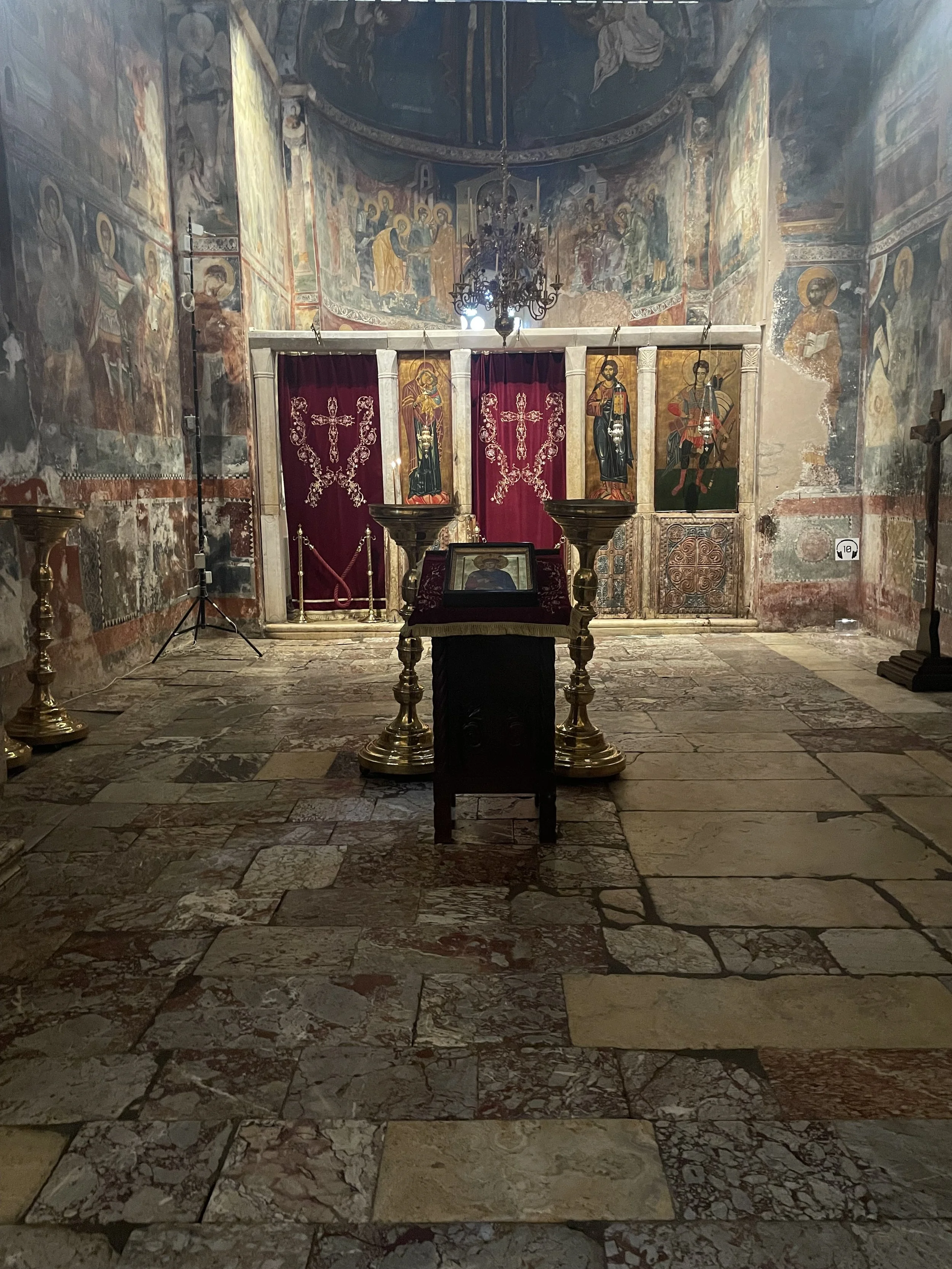
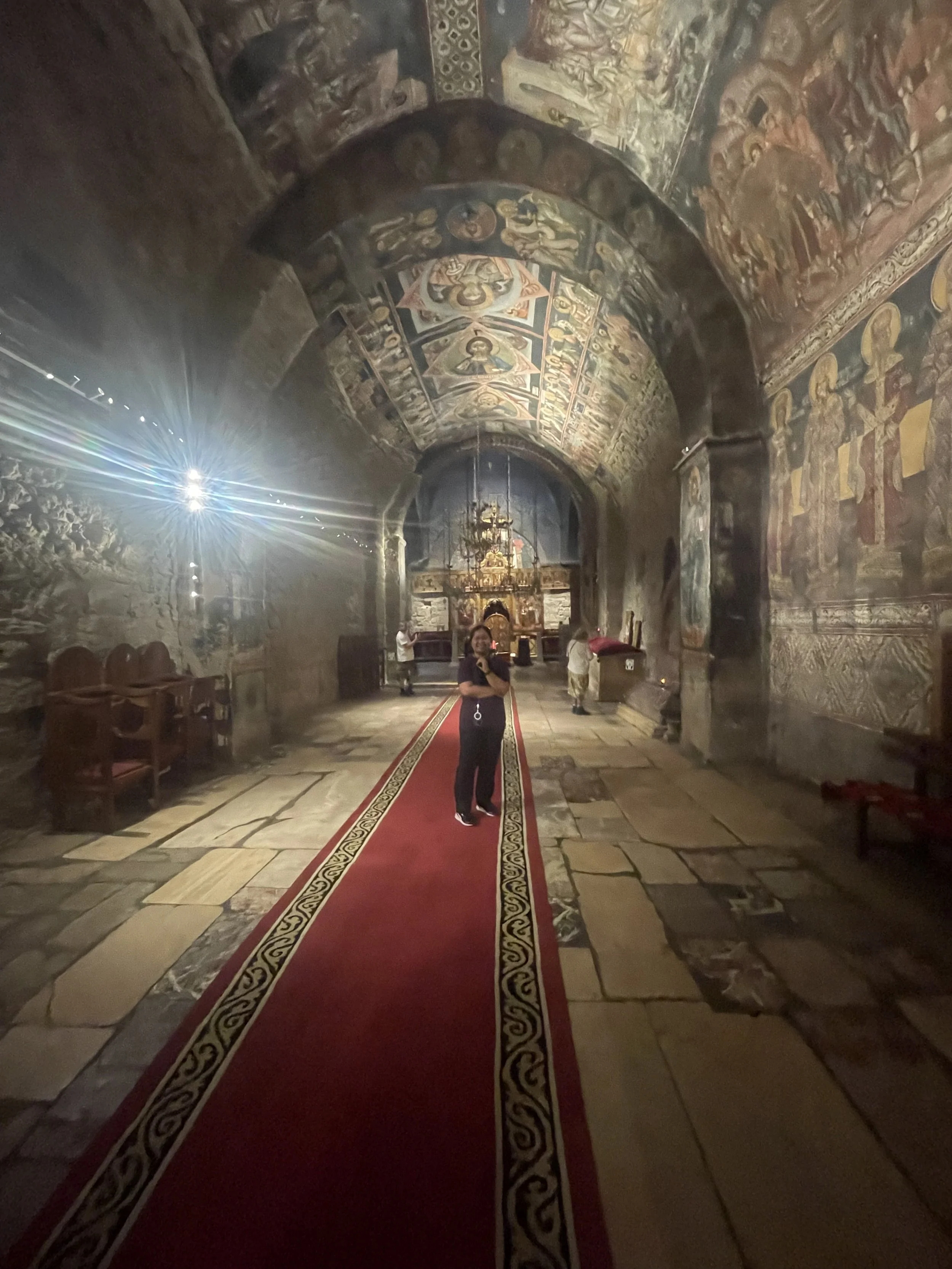
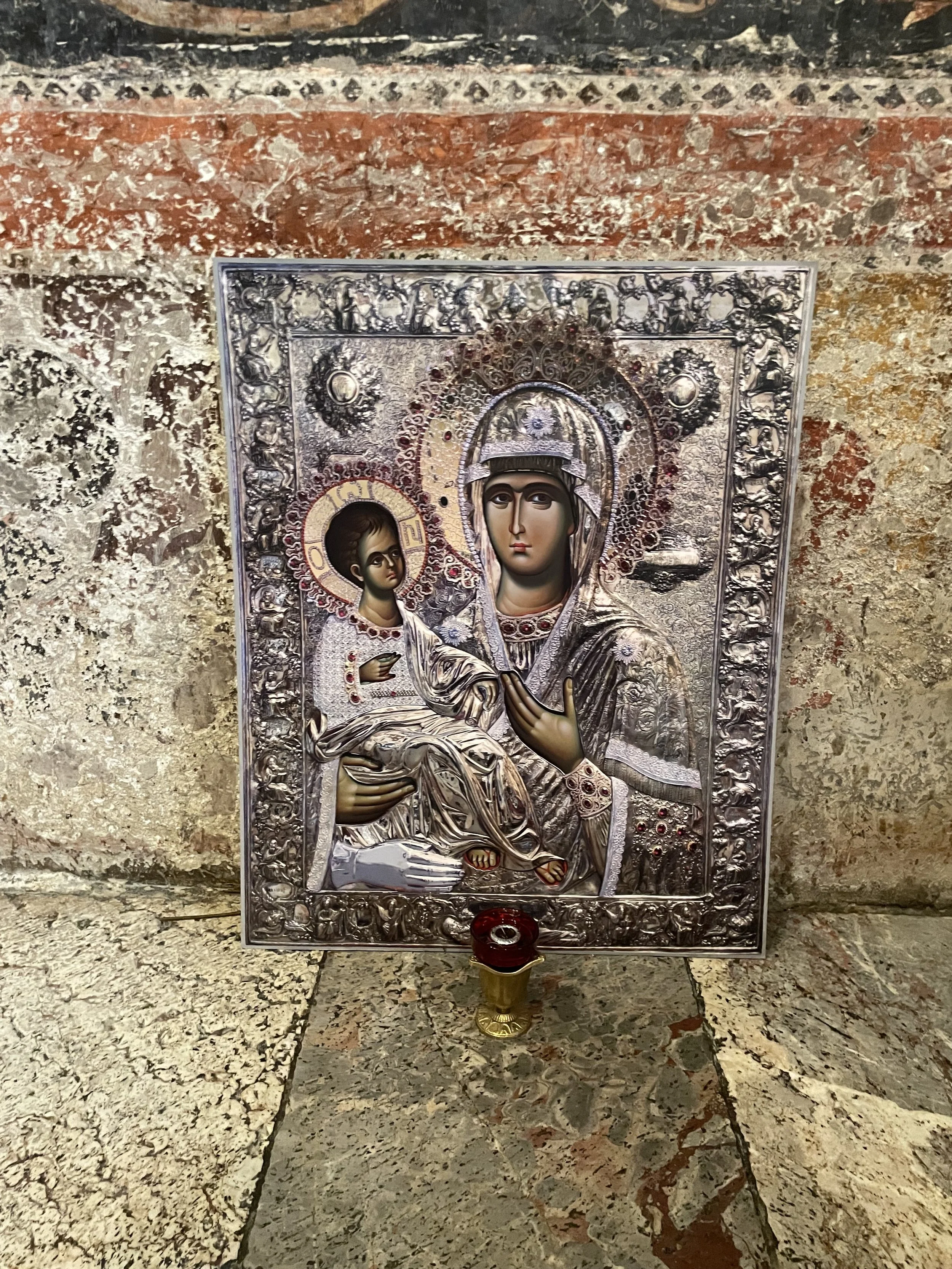
Visiting felt almost like stepping into a different era. The light filtering through small windows cast soft glows across the frescoed walls, and the occasional soft chanting added a hauntingly serene soundtrack to our walk.
If you’re planning a visit, it’s easy to reach from Peja center, and modest attire is a must. Entry is free, but donations are welcomed. Take your time wandering through each of the churches—there’s more to see than meets the eye. And once you’re done, the surrounding Rugova Canyon is perfect for stretching your legs and soaking in some of Kosovo’s natural beauty.
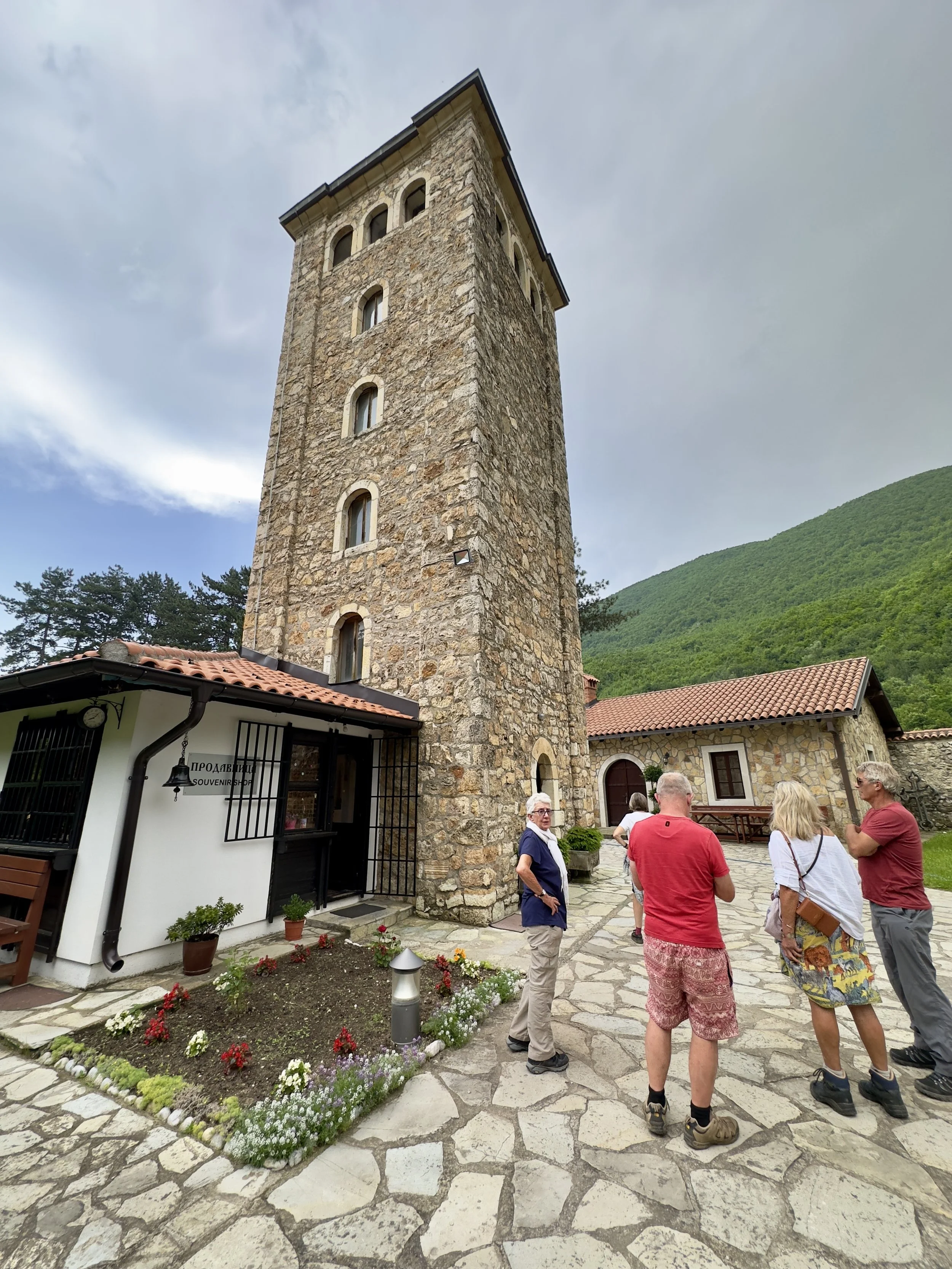
Even two years on, this monastery remains one of those places that quietly lingers in your memory—the kind of site that rewards those who step off the beaten path, especially if you survive an unexpected nun encounter.
