Mdina: Palaces, Chapels & Silent Streets
During our day trip from Valletta, we wandered through Mdina, the Silent City. Narrow lanes, historic palaces and scenic bastions make it feel like stepping back in time. Even though it’s a bit touristy, strolling at our own pace and discovering quiet corners, hidden squares and photogenic views made for a really enjoyable couple of hours.
⏱️ Mdina Walking Route
Route: Mdina Gate > Palazzo Vilhena (passed) > Mdina Town Hall (passed) > St. Paul’s Cathedral > Pjazza tal-Bastjun (Bastion Square) > Palazz ta’ Santa Sofia > Pjazza Mesquita > Greek’s Gate > Return to Mdina Gate
Style: Loop, mostly flat with cobbled streets
Good for: First-time visitors, history lovers, photographers
🏰 Mdina Gate (00:00–00:10)
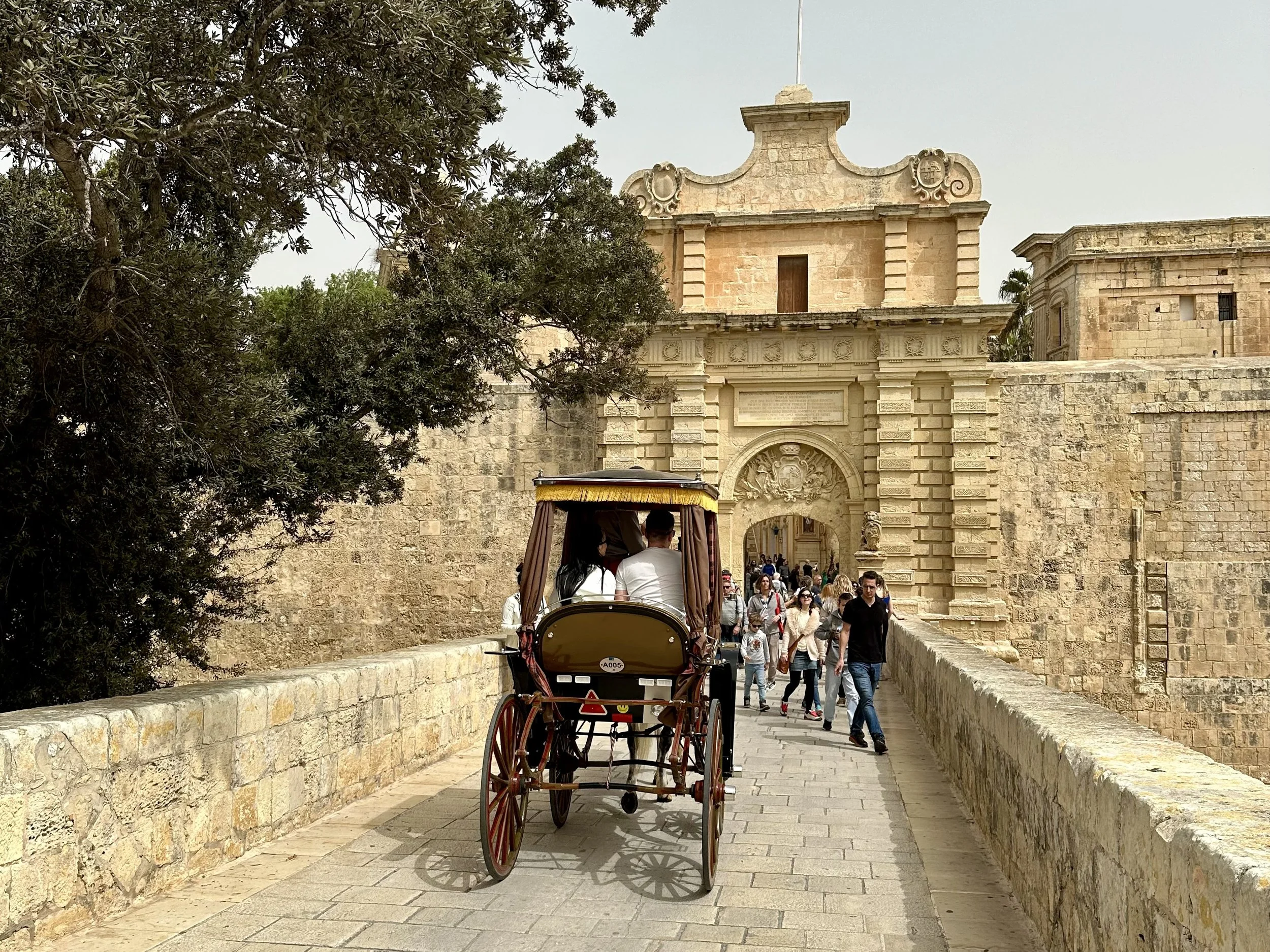
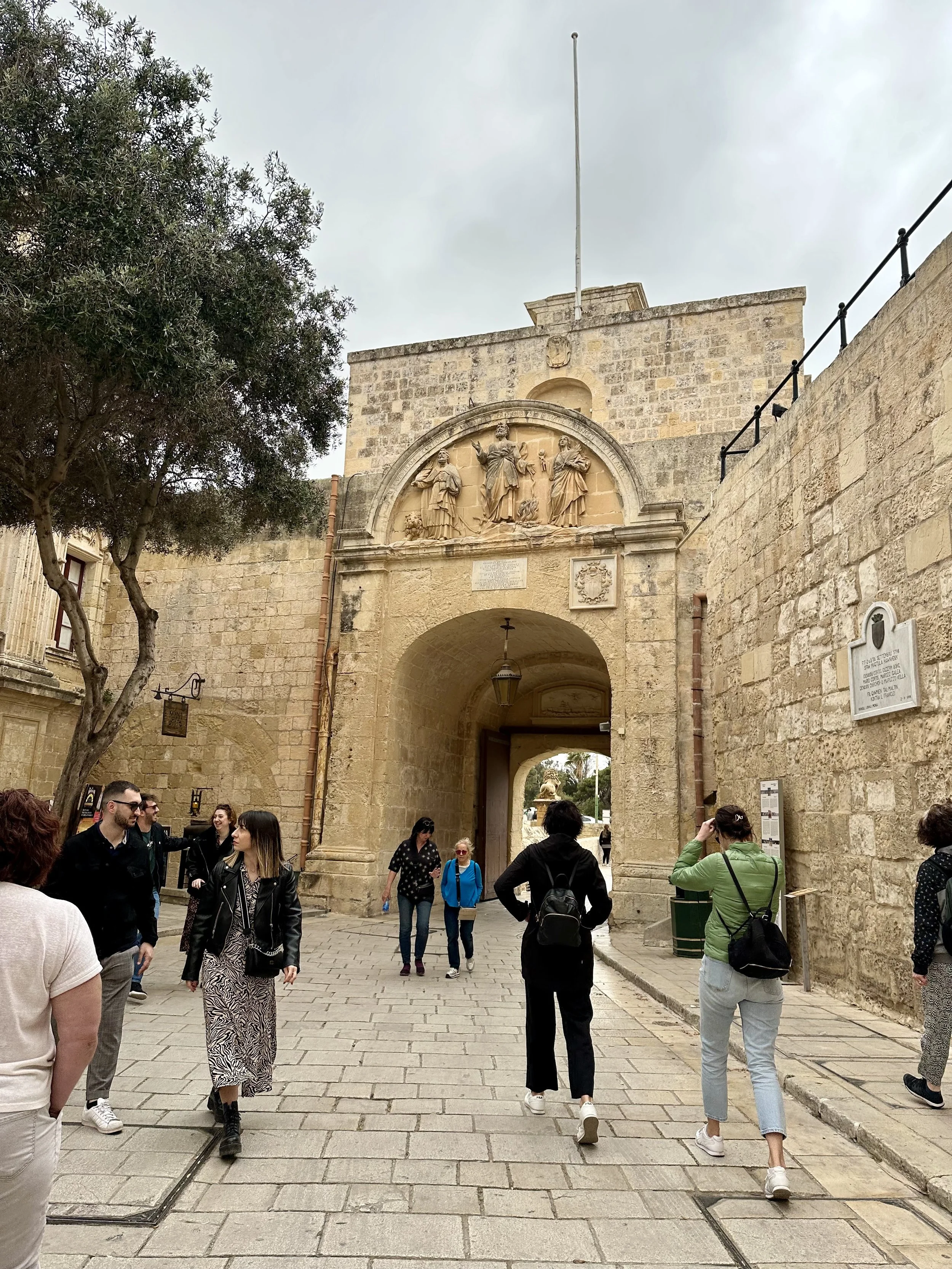
We entered through Mdina Gate, and it immediately felt like stepping into another era. The grand stone archway and the bastions on either side gave the city a dramatic first impression. From the top of the gate, we could see the Maltese countryside stretching out below, a patchwork of greens and ochres. People were already wandering in, snapping photos, but it didn’t feel overwhelming, at least not yet. It was the perfect way to get our bearings before heading further into the city.
🏛️ Palazzo Vilhena (00:10–00:15)
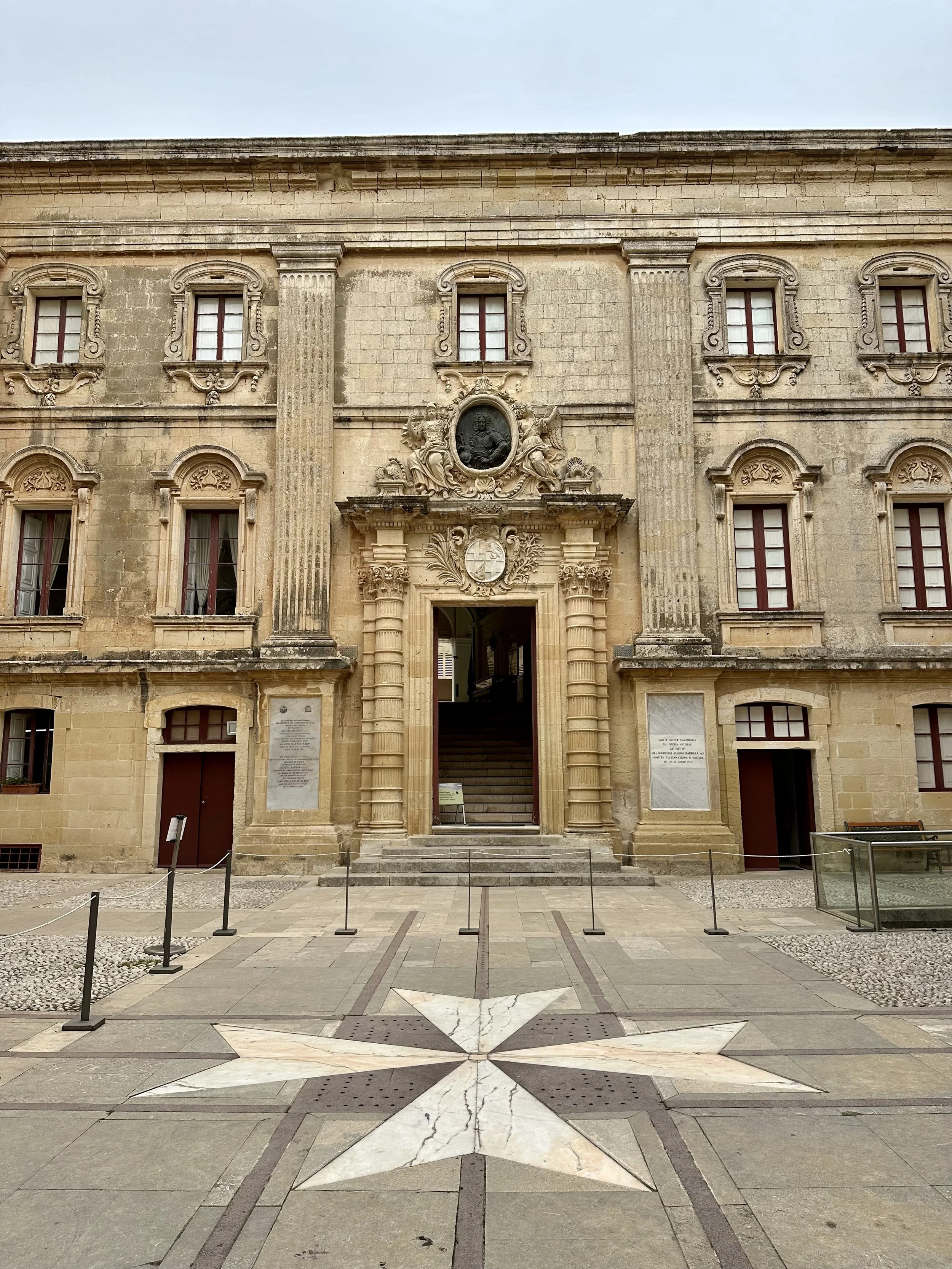
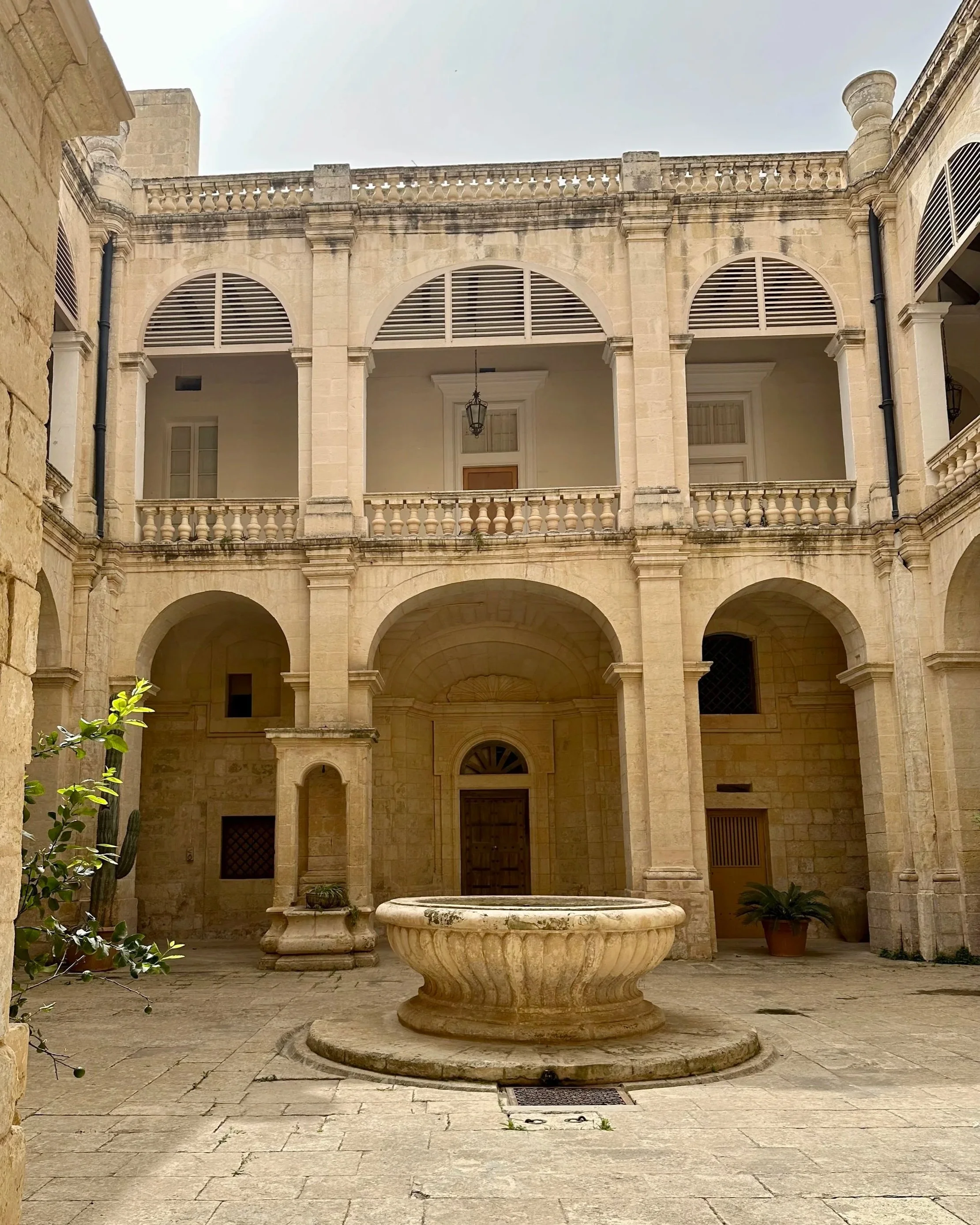
As we walked past Palazzo Vilhena, we couldn’t help but admire the 18th-century façade. The stone looked sun-warmed and the decorative details around the windows and entrance were surprisingly intricate. Even without going inside, it felt grand. You could imagine the palace buzzing with life in its heyday, hosting balls and important gatherings. It was one of those buildings that just makes you pause and appreciate the craftsmanship.
🏛️ Mdina Town Hall (00:15–00:20)
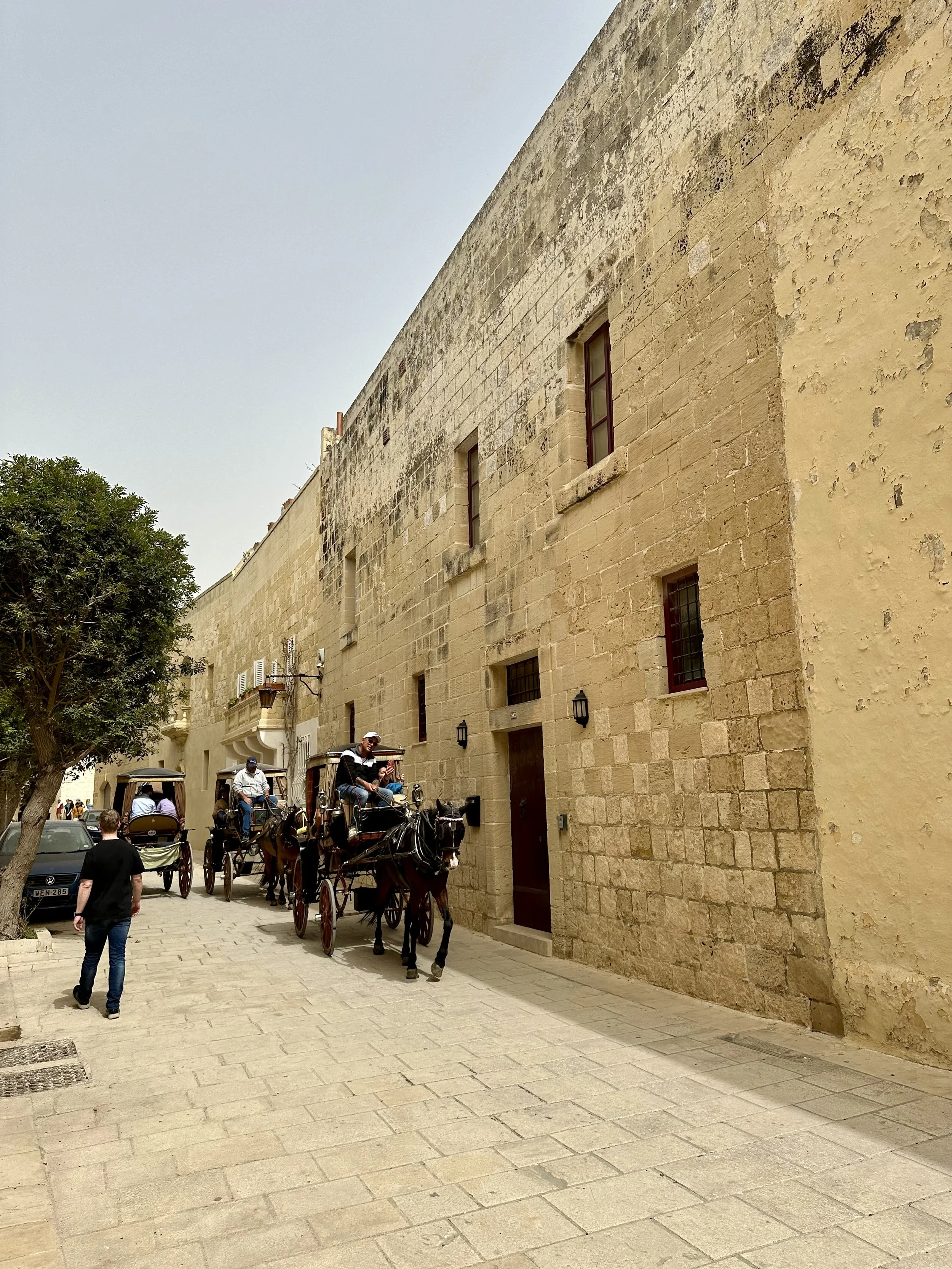
We passed through St. Paul’s Square and stopped to look at the Town Hall. The exterior is elegant but not overly ornate, and it gives a sense of civic pride. There is a calm here despite the occasional tourist snapping photos, and we enjoyed just standing for a moment, listening to the soft echoes of footsteps on the cobbles and the distant clip-clop of horse-drawn carriages.
⛪ St. Paul’s Cathedral (00:20–00:40)
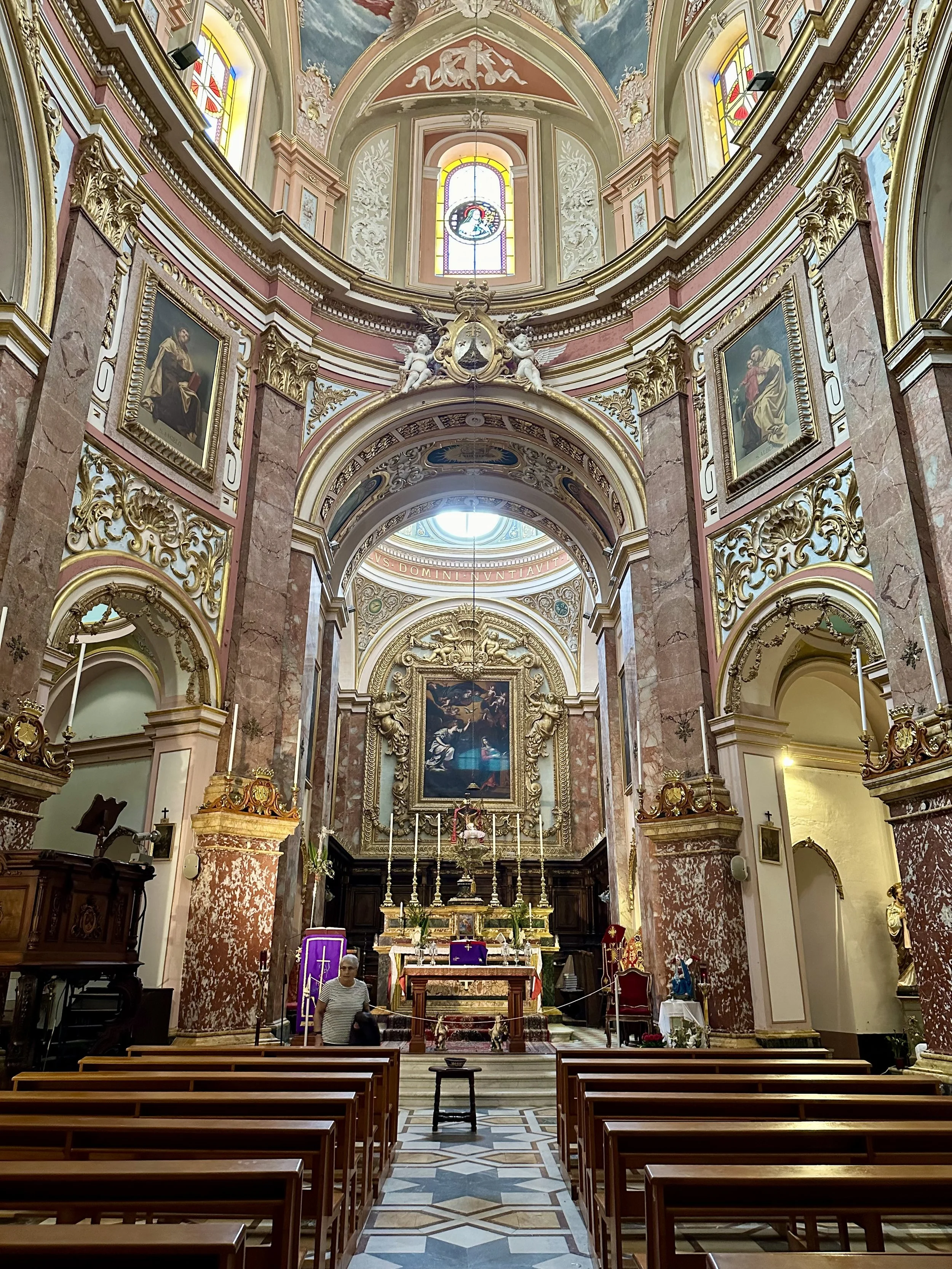
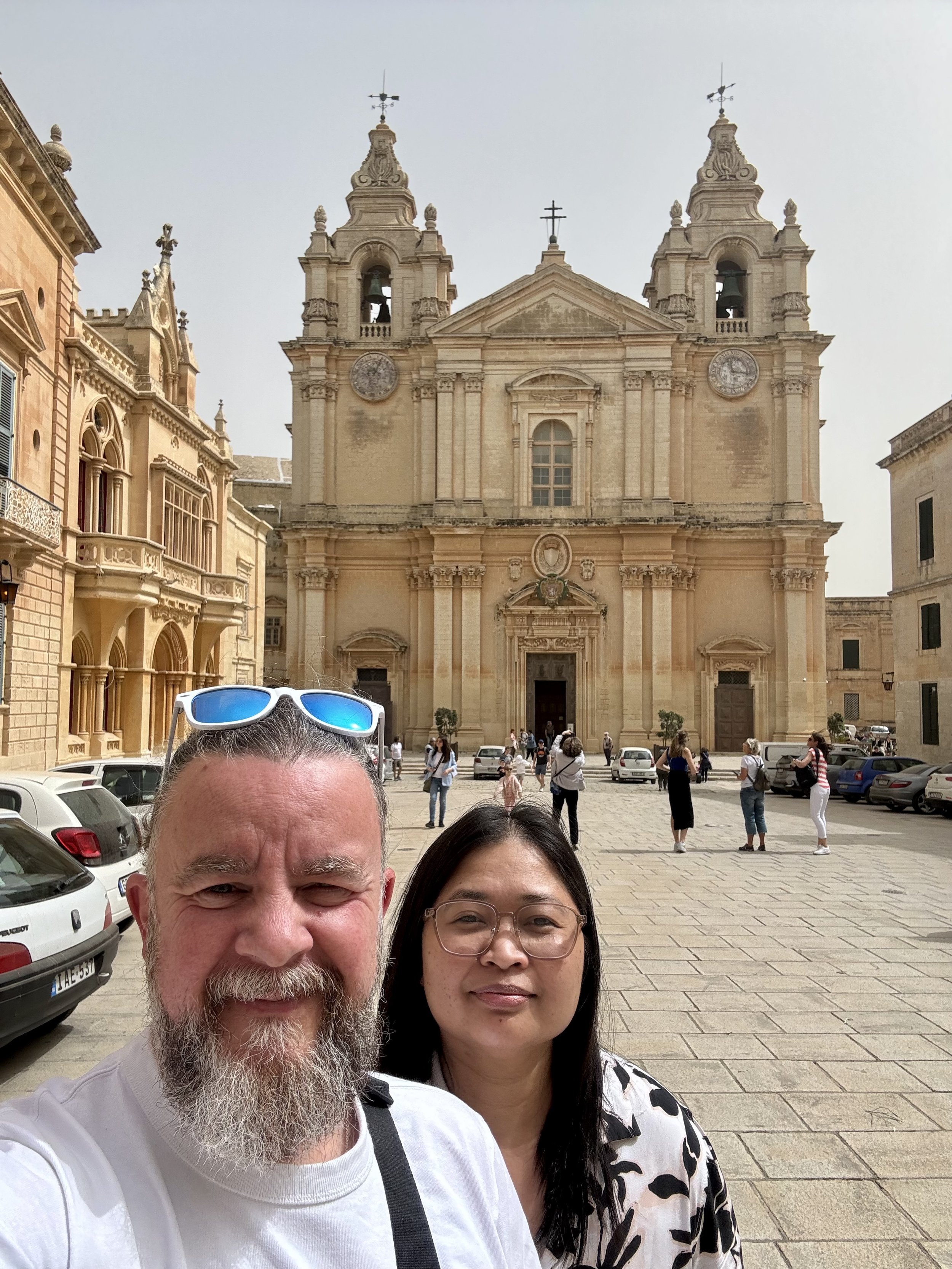
St. Paul’s Cathedral was a highlight. Stepping inside, the baroque details caught our eyes immediately, with painted ceilings, gilded altars and polished stone floors. The space had a serene, almost hushed feeling, which contrasted with the occasional chatter outside. We lingered, taking in the craftsmanship and imagining centuries of worshippers passing through these doors. It is one of those places where time feels slowed down, and you can really soak up the history.
🌄 Pjazza tal-Bastjun (Bastion Square) (00:40–00:55)
Bastion Square offered breathtaking views of Mdina’s rooftops and the countryside beyond. We lingered here for a while, taking photos and just enjoying the wide-open space. The light was shifting beautifully over the terracotta roofs, and you could see why this spot has always been a favourite for locals and visitors alike. Standing on the edge, looking over the city walls, it was easy to imagine the centuries of history unfolding below.

🏛️ Palazz ta’ Santa Sofia (00:55–01:10)
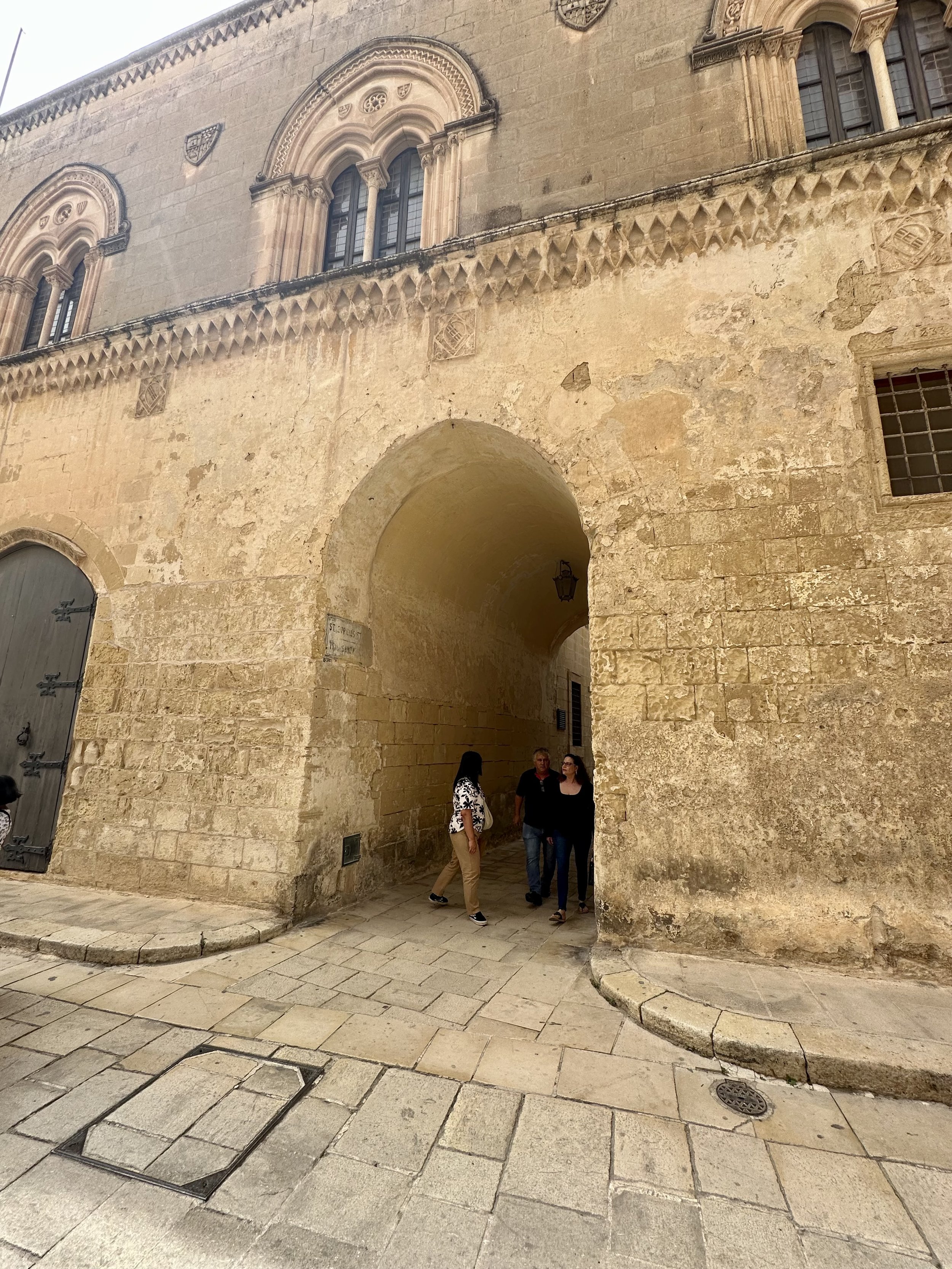
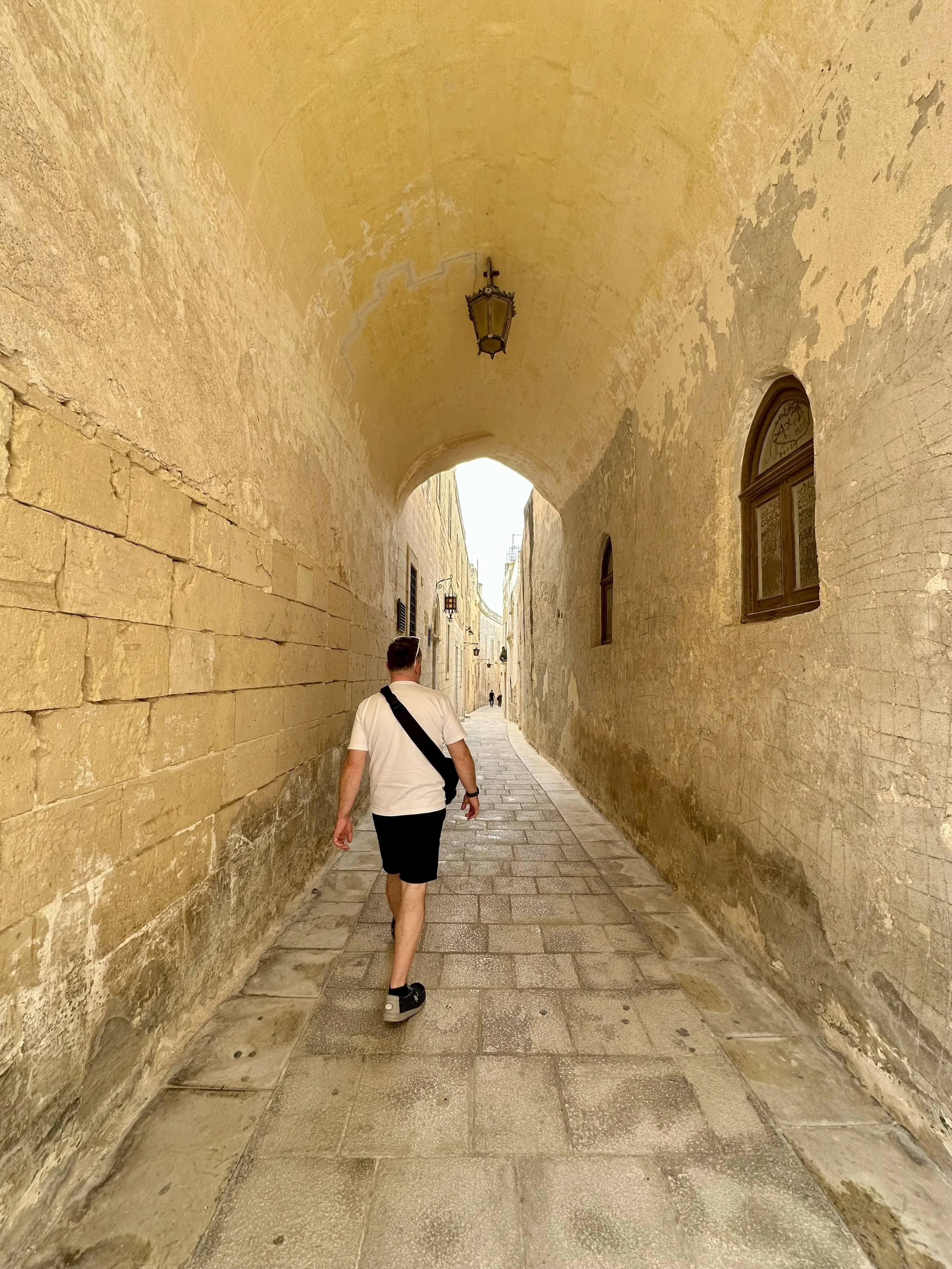
The façade of Palazz ta’ Santa Sofia caught our attention with its understated elegance. We took photos and imagined what life would have been like for the noble families who lived here. The street was quieter here, and wandering around it felt almost like slipping into a little private world within the city. Every detail of the stonework seemed to tell a story, and we enjoyed pausing to appreciate it.
🏛️ Pjazza Mesquita (01:10–01:20)
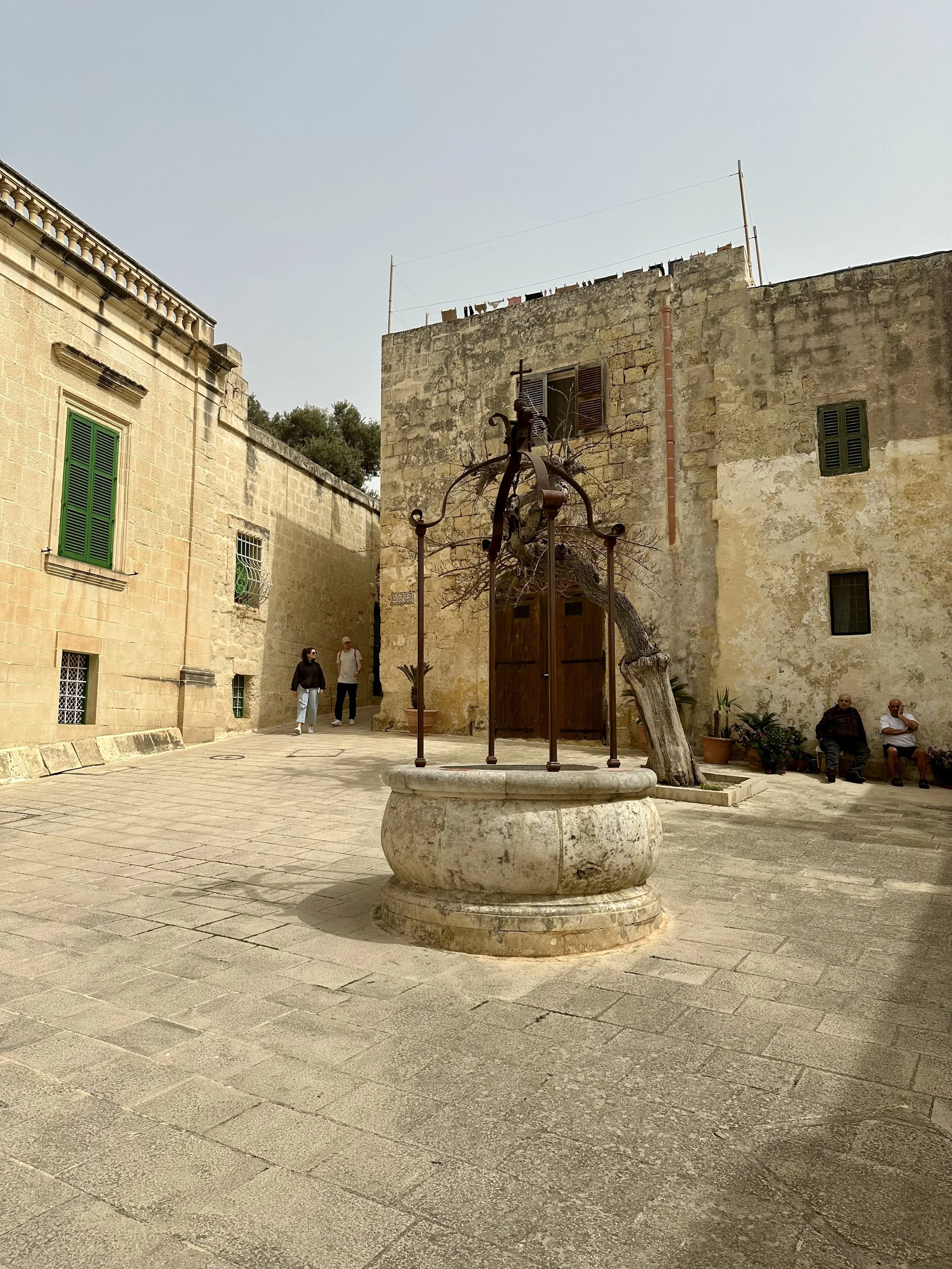
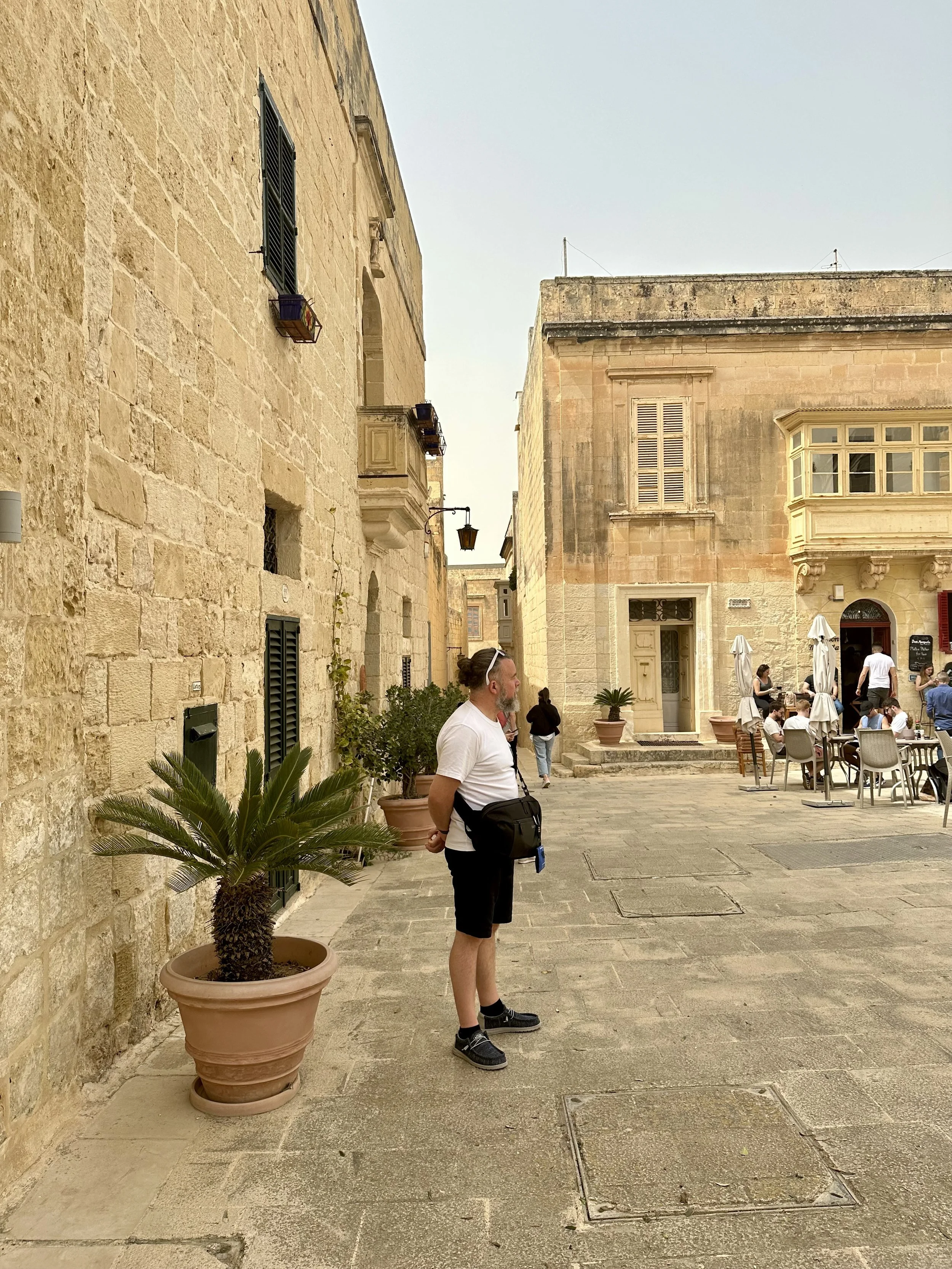
A small, tranquil square, Pjazza Mesquita gave us a chance to pause. It is not as busy as the main streets, and the surrounding buildings are charmingly old, with little touches of Maltese character. We lingered to watch people stroll past and it felt like a nice little slice of local life, even amid the tourists.
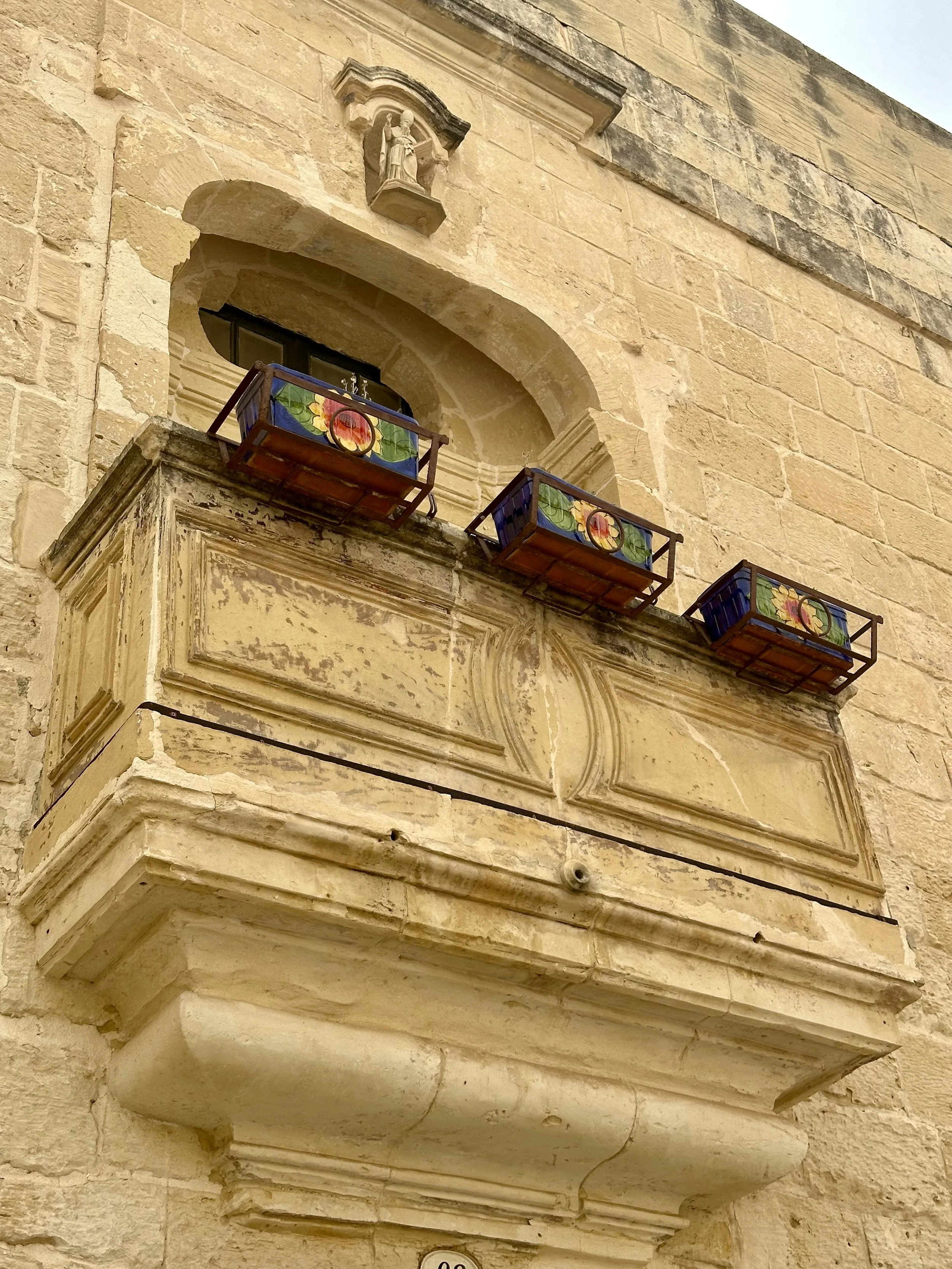
🏰 Greek’s Gate (01:20–01:30)
Walking through Greek’s Gate offered a fresh perspective on the city walls. The fortified entrance felt sturdy and impressive, and the area was much quieter than near Mdina Gate. It gave a sense of how the city was protected in its medieval days, and we enjoyed the moment of calm, interrupted only by the distant sound of tourists exploring the main streets.
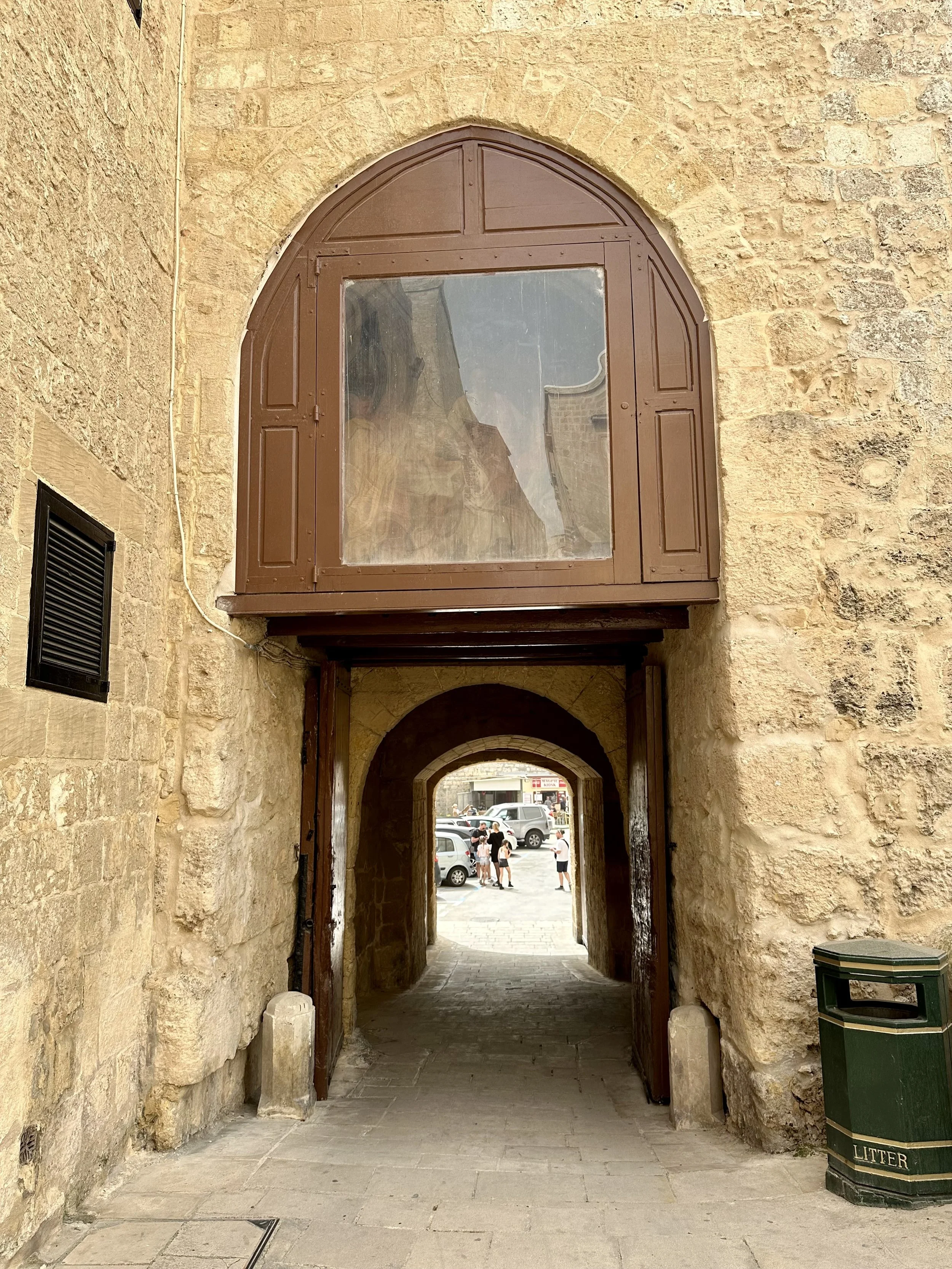
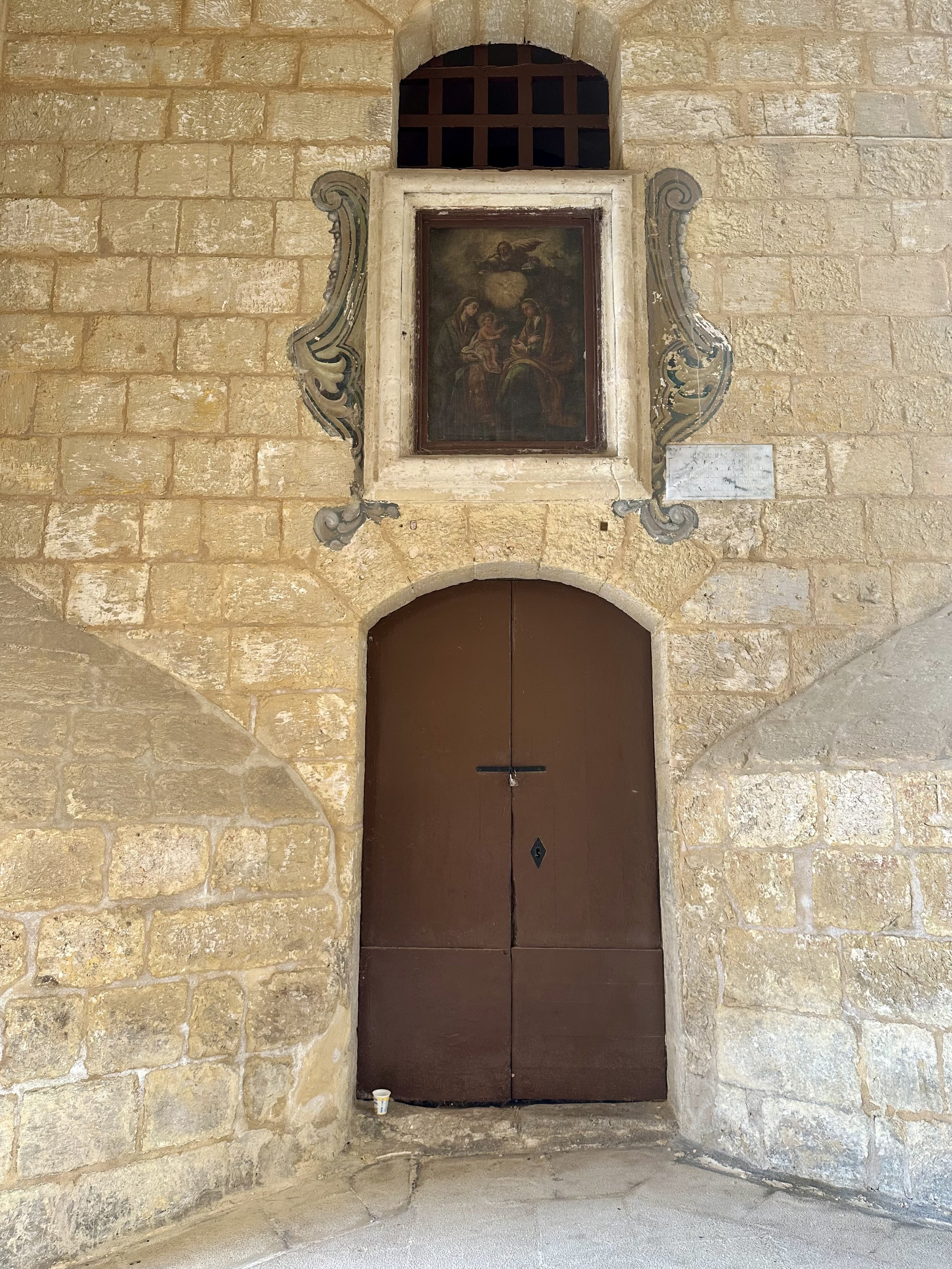
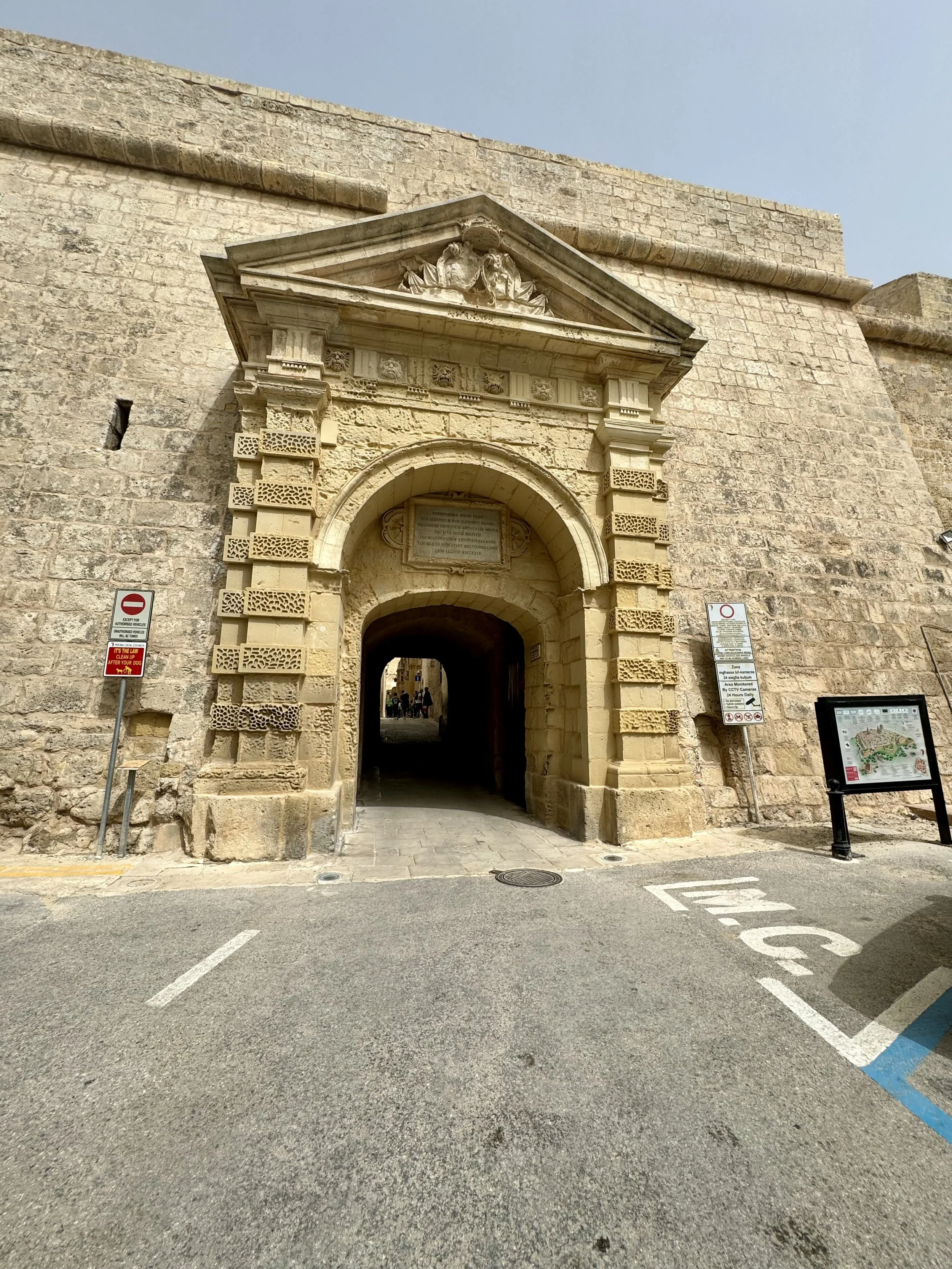
🏰 Return to Mdina Gate (01:30–02:00)
We looped back to Mdina Gate, feeling like we had travelled through centuries of history in just a couple of hours. Even with the tourists, the city’s charm, photogenic streets and quiet nooks made the walk thoroughly enjoyable. Catching the bus back to Valletta, we reflected on the mixture of scenic views, medieval architecture and the small moments of calm that make Mdina so memorable.
📸 Best Selfie Spots
Bastion Square – sweeping views
Mdina Gate – dramatic entrance
Palazz ta’ Santa Sofia – historic façade
St. Paul’s Cathedral – ornate interior
💡 Pro Tips
Wear comfy shoes, the cobbles are everywhere
Bring a camera, every corner is photogenic
Start early for quieter streets and softer light
Mostly pedestrian-only, but watch out for horse-drawn carriages carrying tourists along the wider streets
Final Thoughts
Mdina definitely lives up to its nickname, the Silent City, but it can get surprisingly busy. There were plenty of day-trippers and cruise passengers exploring alongside us, and it would have been nicer to come early before the crowds.
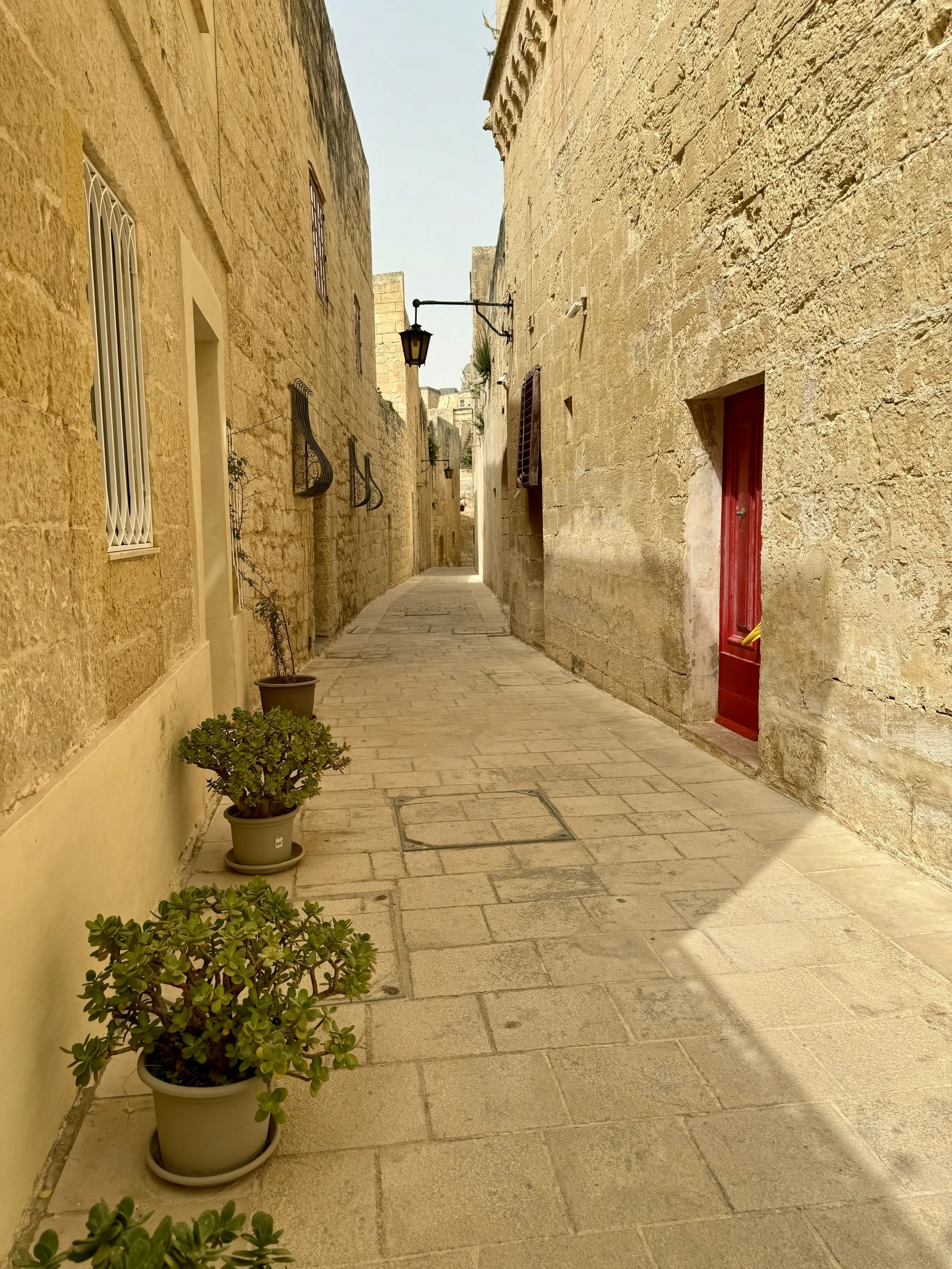
Even so, the city has a charm that is hard to resist. Every alleyway is photogenic, with cobbled streets, colourful doors and hidden corners perfect for photos. The city is mostly pedestrian-only, though we had to watch out for the horse-drawn carriages carrying tourists along the wider streets.
We loved wandering the quiet nooks and watching the light play across the medieval walls. Despite the tourists, Mdina’s history, architecture and atmosphere make it a memorable stop.